If you are deciding between Rolling Hills and Rolling Hills Estates, the choice is less about distance and more about how you want to live day to day. Both communities share the Peninsula’s equestrian heritage, generous homesites, and strong sense of place, but they function very differently once you look past the map. This guide will help you compare privacy, access, lot size, rules, amenities, and overall lifestyle so you can move forward with more clarity. Let’s dive in.
Rolling Hills vs Rolling Hills Estates
At a glance, these neighboring communities can seem similar. Both are known for estate-style living, bridle trails, and a quieter Peninsula setting.
But the structure of each city is distinct. Rolling Hills is a private, gated community where the city and homeowners association share the same boundaries, while Rolling Hills Estates operates more like a traditional city with neighborhood-level HOAs, public streets, parks, and commercial areas.
Privacy and access differences
For many buyers, the biggest difference is how access works. Rolling Hills is designed around controlled entry and a more enclosed environment.
According to the Rolling Hills Community Association, entry is handled through three staffed gates 24 hours a day. Visitors, service providers, and delivery drivers must follow guest-list procedures, show identification, and sometimes wait for homeowner authorization before entering.
That system creates a very specific experience. If you value managed access, limited through-traffic, and a more tightly controlled setting, Rolling Hills may feel like a strong fit.
Rolling Hills Estates is more open in its daily rhythm. The city’s official pages focus on public works, streets, parking, and municipal services, which reflects a more conventional city layout rather than a gated enclave.
Community layout and home setting
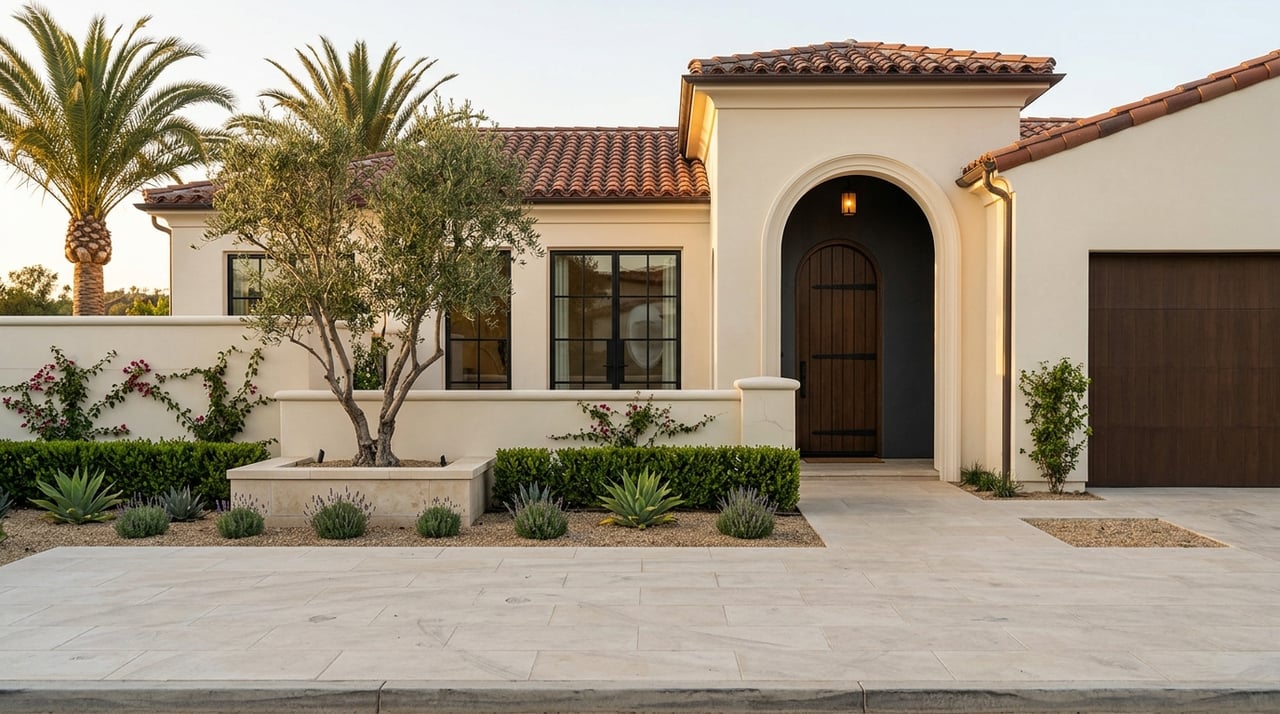
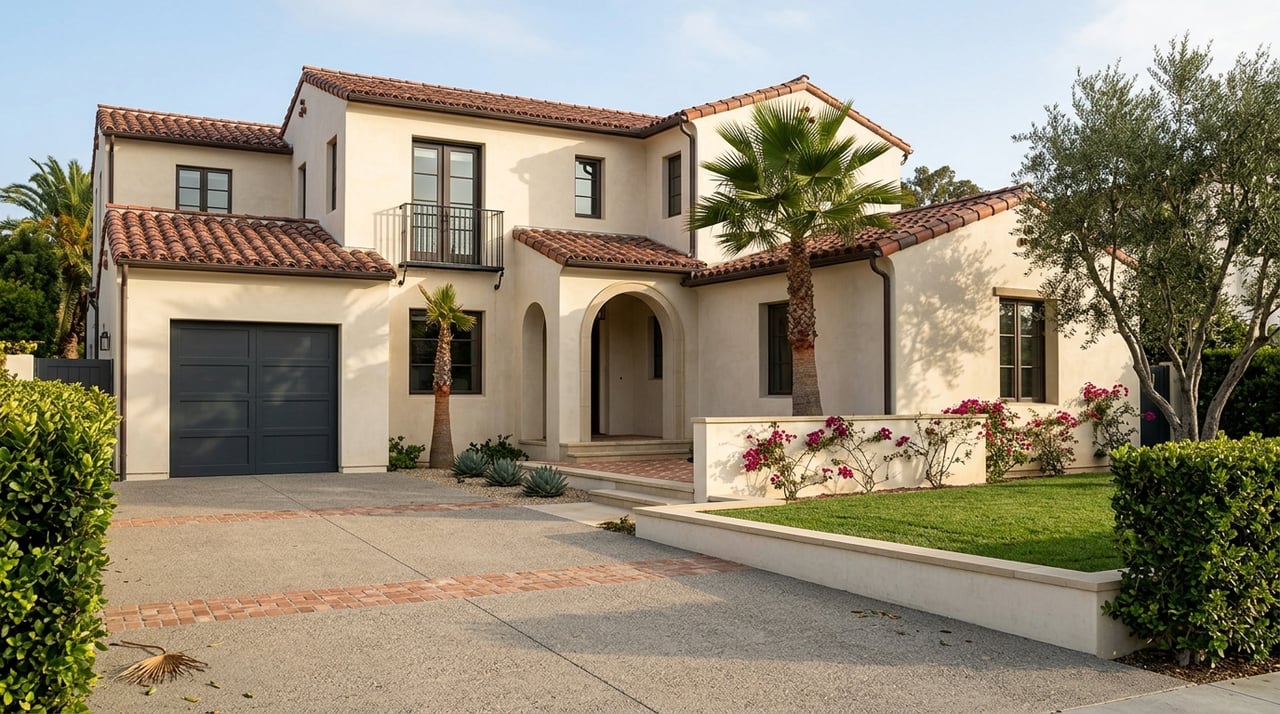
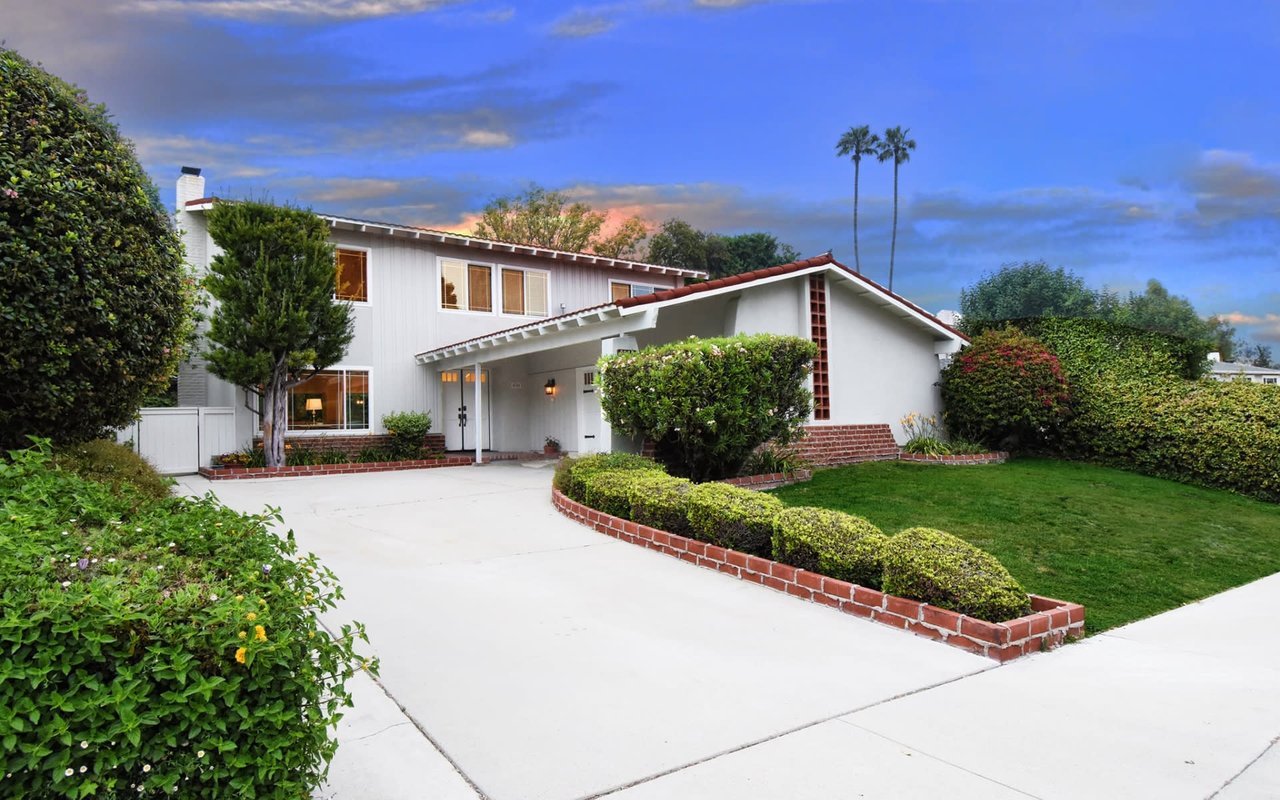
Rolling Hills is notably uniform in its development pattern. RHCA states that the city includes 690 homes, all single-family residences on minimum 1-acre lots.
That consistency matters if you are looking for a more predictable estate setting. The combination of larger lots, private road easements, and consistent community standards gives Rolling Hills a distinct sense of separation and visual continuity.
Rolling Hills Estates offers more variety. The city’s planning documents show residential zoning with minimum lot areas of 1 acre, 20,000 square feet, 15,000 square feet, and 10,000 square feet, along with an agricultural district at 5 acres.
In practical terms, that means you will find a broader mix of neighborhood patterns and property sizes in Rolling Hills Estates. If flexibility matters to you, that wider range can open up more options.
Equestrian lifestyle in both cities
Both communities are strongly tied to an equestrian lifestyle, but they support it in different ways. If horses, trails, and riding access are part of your search, this comparison is especially important.
Rolling Hills equestrian features
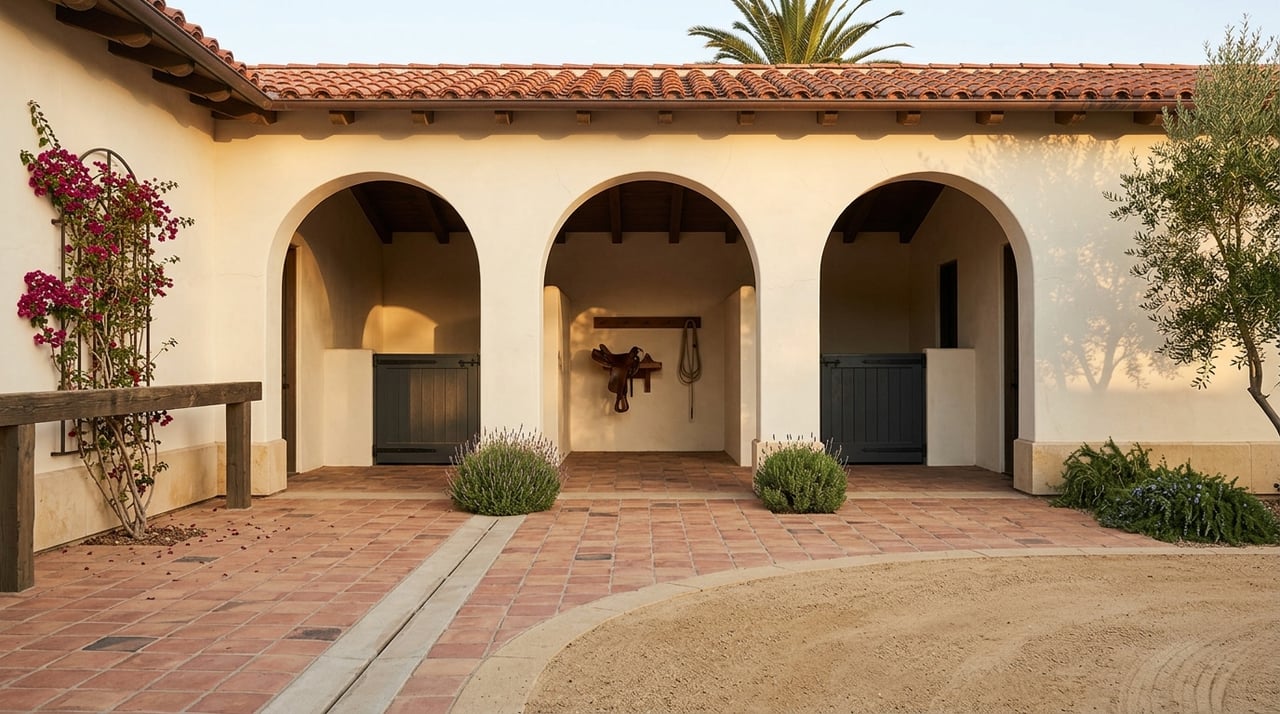
Rolling Hills offers a highly controlled equestrian environment. RHCA says the community includes nearly 30 miles of recognized bridle trails plus 2 riding rings and 3 tennis courts.
Trail use is also managed. Non-resident riders need badges, and horseback riders checking into the community must work through gate procedures.
That approach tends to appeal to buyers who want equestrian amenities within a more private, association-managed framework. It is less about public access and more about preserving a consistent community system.
Rolling Hills Estates equestrian features
Rolling Hills Estates supports horseback living through city-operated facilities and public infrastructure. The city reports more than 25 miles of scenic bridle trails, public riding rings, and the Peter Weber Equestrian Center, which operates as a municipal boarding-stable facility.
The city also has an Equestrian Committee that advises the City Council. That public structure gives Rolling Hills Estates an equestrian identity that feels integrated into everyday city life rather than limited to a private association model.
HOA and rule structure
Another major difference comes down to governance. If you are sensitive to design restrictions, exterior approvals, or association oversight, this is one of the most important sections to review.
Rolling Hills governance style
Rolling Hills has a strong association-first framework. RHCA states that it maintains roadways and bridle trails, controls easements, issues building permits, and shares approval authority with the city for new construction, fencing, lighting, subdivisions, and other exterior changes.
The design rules are also highly specific. RHCA’s guidelines emphasize traditional ranch-style forms, white exteriors, and close oversight of fences, roofs, and view-related elements.
There is also an annual assessment. RHCA lists that assessment as 20 cents per $100 of assessed valuation.
For some buyers, that level of structure is a benefit. For others, it can feel restrictive depending on how much design flexibility they want.
Rolling Hills Estates governance style
Rolling Hills Estates uses a more layered model. The city notes that it has 30 neighborhood areas, each with its own HOA, while municipal departments handle planning, parking, public works, code compliance, and public safety.
That setup can create more variation from one neighborhood to the next. You may still encounter HOA rules, but the overall framework is less centralized than Rolling Hills.
The city also notes that many projects may require permits or zone clearance, even when a building permit is not required. That makes local due diligence important if you are considering improvements.
Convenience and daily errands
If convenience is high on your list, Rolling Hills Estates generally offers the easier day-to-day routine. The city highlights a mile-long commercial district with shopping plazas, restaurants, a movie theater, an ice rink, and national retailers.
Rolling Hills Estates also hosts community events such as the Old-Fashioned City Celebration and the Peninsula Holiday Parade. For buyers who want access to activity, services, and public gathering spaces, that can be a meaningful advantage.
Rolling Hills is more intentionally insulated. That can be a major plus if your priority is seclusion, but it usually means a less convenience-driven feel compared with Rolling Hills Estates.
Schools and public facilities context
Both communities are served by PVPUSD based on the research provided. Rolling Hills Estates also includes two school facilities named on the city’s official materials: Dapplegray Elementary and Palos Verdes Peninsula High School.
For buyers who want to be closer to public facilities and everyday destinations, Rolling Hills Estates may feel more connected. For buyers who place a higher value on a more enclosed residential environment, Rolling Hills may align better.
Which community may fit you best
The right choice often depends on your priorities, not which city is objectively better. Each community serves a different lifestyle.
| Priority | Rolling Hills | Rolling Hills Estates |
|---|---|---|
| Managed entry and gate control | Strong fit | Limited on a citywide level |
| Uniform estate setting | Strong fit | More varied |
| Larger-lot consistency | Strong fit | More range in lot sizes |
| Public equestrian facilities | More private model | Strong fit |
| Shopping and daily convenience | More limited | Strong fit |
| Neighborhood variety | Less varied | Strong fit |
| Tighter design oversight | Strong fit | Varies by neighborhood and city rules |
In simple terms, Rolling Hills is often the better match if you want seclusion, controlled access, and a highly consistent estate environment. Rolling Hills Estates is often the better match if you want privacy and equestrian character with easier access to shopping, public recreation, and a wider range of neighborhood settings.
How to choose with confidence
When two communities sit side by side, small differences can shape your experience more than expected. Gate procedures, lot-size patterns, exterior rules, and daily convenience all affect how a home feels long after closing.
That is why local guidance matters. A buyer deciding between Rolling Hills and Rolling Hills Estates often benefits from comparing not just homes, but also the governance structure, neighborhood character, access patterns, and long-term fit.
If you are weighing the trade-offs between privacy, equestrian access, convenience, and property flexibility, the Stearns Lieb Team can help you evaluate both communities with clear, local insight and a tailored strategy for your move.
FAQs
What is the main difference between Rolling Hills and Rolling Hills Estates?
- Rolling Hills is a private, gated city with association-controlled access and uniform 1-acre-minimum single-family lots, while Rolling Hills Estates functions more like a traditional city with public streets, neighborhood HOAs, municipal services, and a wider range of lot sizes.
Is Rolling Hills Estates a gated community like Rolling Hills?
- Based on the city’s official materials, Rolling Hills Estates does not present itself as a citywide gated enclave and instead emphasizes regular municipal streets, public works, parking, and neighborhood services.
Do both Rolling Hills and Rolling Hills Estates have bridle trails?
- Yes. Rolling Hills reports nearly 30 miles of recognized bridle trails, and Rolling Hills Estates reports more than 25 miles of scenic bridle trails along with public equestrian facilities.
Are lot sizes the same in Rolling Hills and Rolling Hills Estates?
- No. Rolling Hills is described as having all single-family homes on minimum 1-acre lots, while Rolling Hills Estates includes several zoning categories with minimum lot areas ranging from 10,000 square feet to 1 acre, plus a 5-acre agricultural district.
Which is better for convenience, Rolling Hills or Rolling Hills Estates?
- Rolling Hills Estates generally offers more day-to-day convenience because the city includes shopping areas, restaurants, public facilities, and community events, while Rolling Hills is more focused on privacy and controlled access.
Do Rolling Hills and Rolling Hills Estates both have HOA rules?
- Yes, but the structure differs. Rolling Hills has a strong association-first system through RHCA, while Rolling Hills Estates has city governance plus neighborhood-specific HOAs across its 30 neighborhood areas.