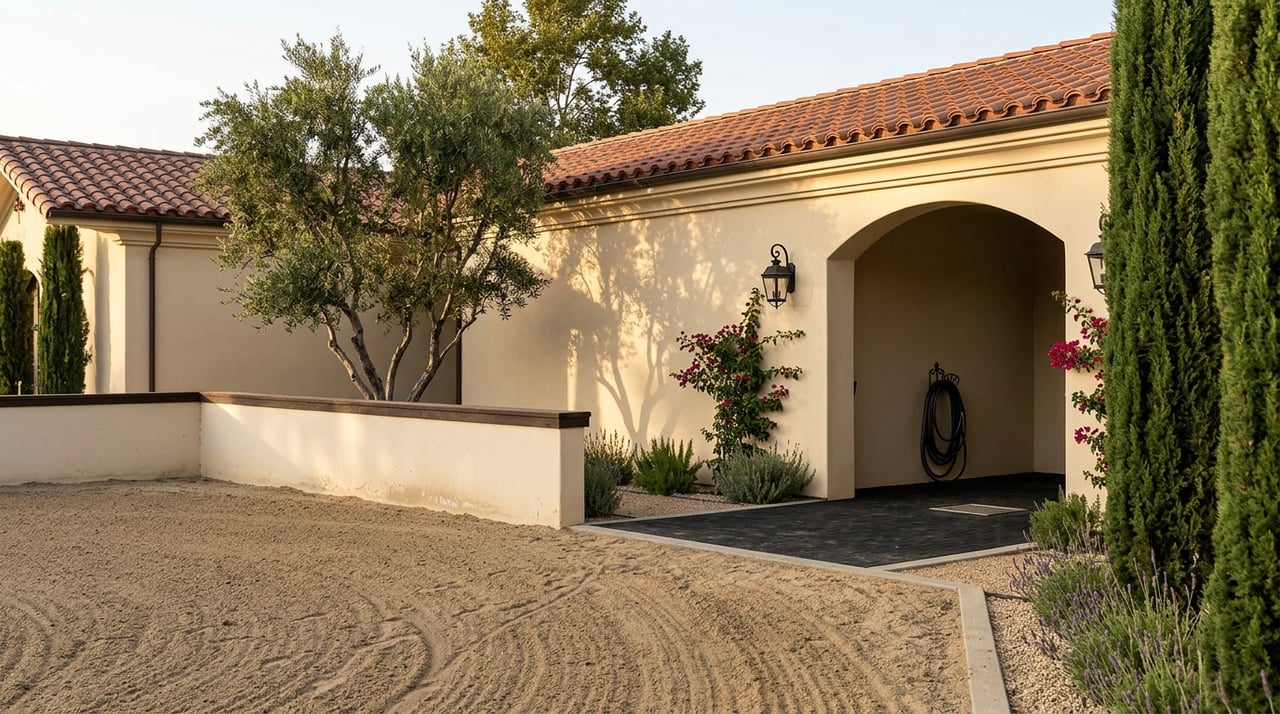
If you are searching for a horse-friendly home in Rolling Hills Estates, you are not just looking for extra land. You are looking for a property that fits a lifestyle shaped by trails, local rules, and everyday practicality. The good news is that Rolling Hills Estates has an official equestrian identity, and with the right due diligence, you can buy with far more confidence. Let’s dive in.
Why Rolling Hills Estates Stands Out
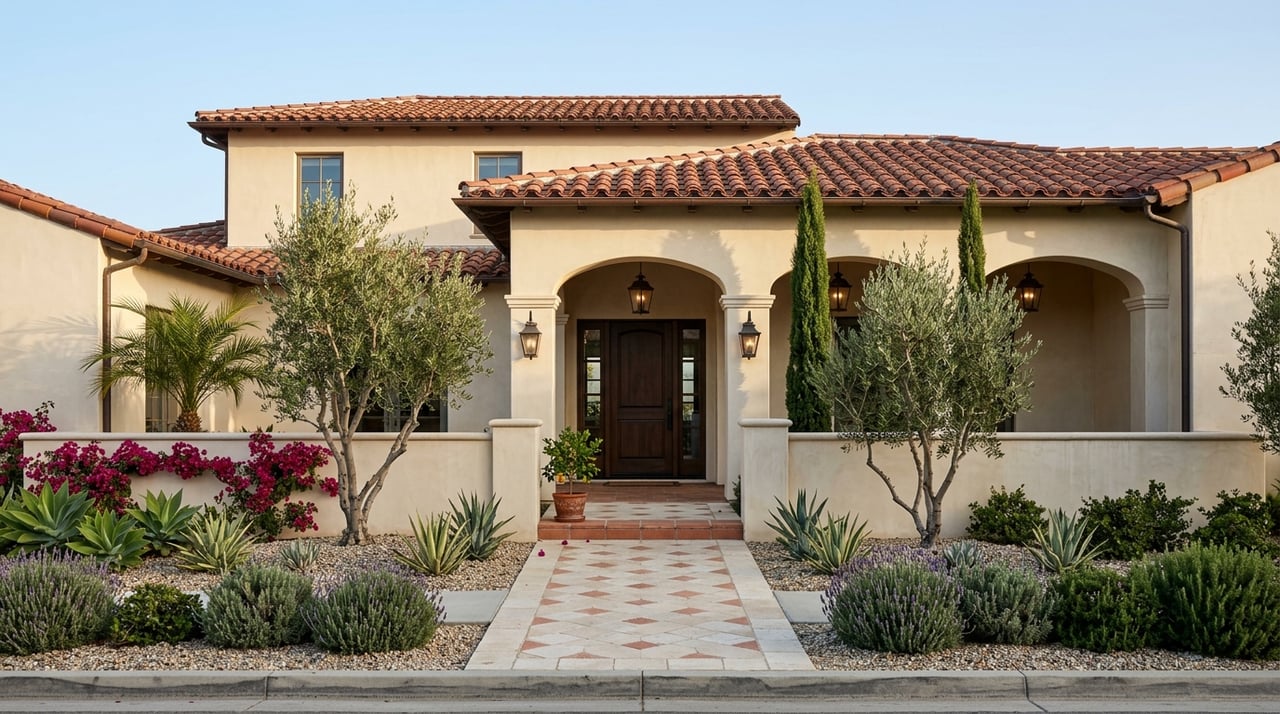
Rolling Hills Estates is known for its rural character, serene setting, and strong connection to horses. The city describes preserving open space and promoting the equestrian lifestyle as part of its vision, which makes horse-friendly living a meaningful part of the community rather than a rare exception.
That local support shows up in real ways. The city operates public riding rings, supports equestrian programming, and works with the Peter Weber Equestrian Center, which offers boarding, trailer storage, and lessons. There is also an Equestrian Committee that advises on trails, arenas, and events.
For buyers, that matters. It means you are not just buying near scenic open space. You are buying in a city that has built public infrastructure and services around equestrian use.
Start With Horse Overlay Zoning
The most important first step is simple: verify whether the property is in the Horse Overlay zone. According to the city, a property must be in that zone to keep horses.
This is where many buyers need to slow down and get specific. A home may look like horse property, have a large lot, or even sit near trails, but that does not automatically mean horsekeeping is allowed.
If the parcel is in the Horse Overlay zone, the city allows up to four horses. The property must also have at least 800 square feet of horsekeeping area for the first horse and 300 additional square feet for each extra horse.
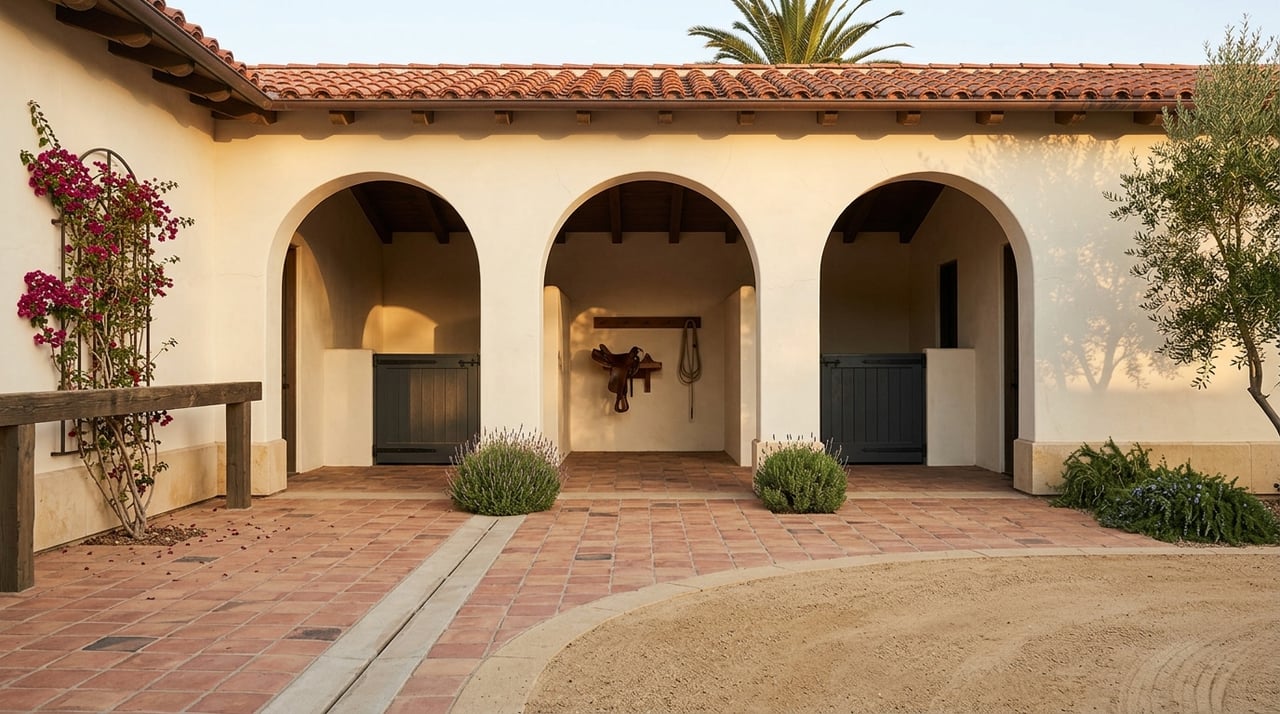
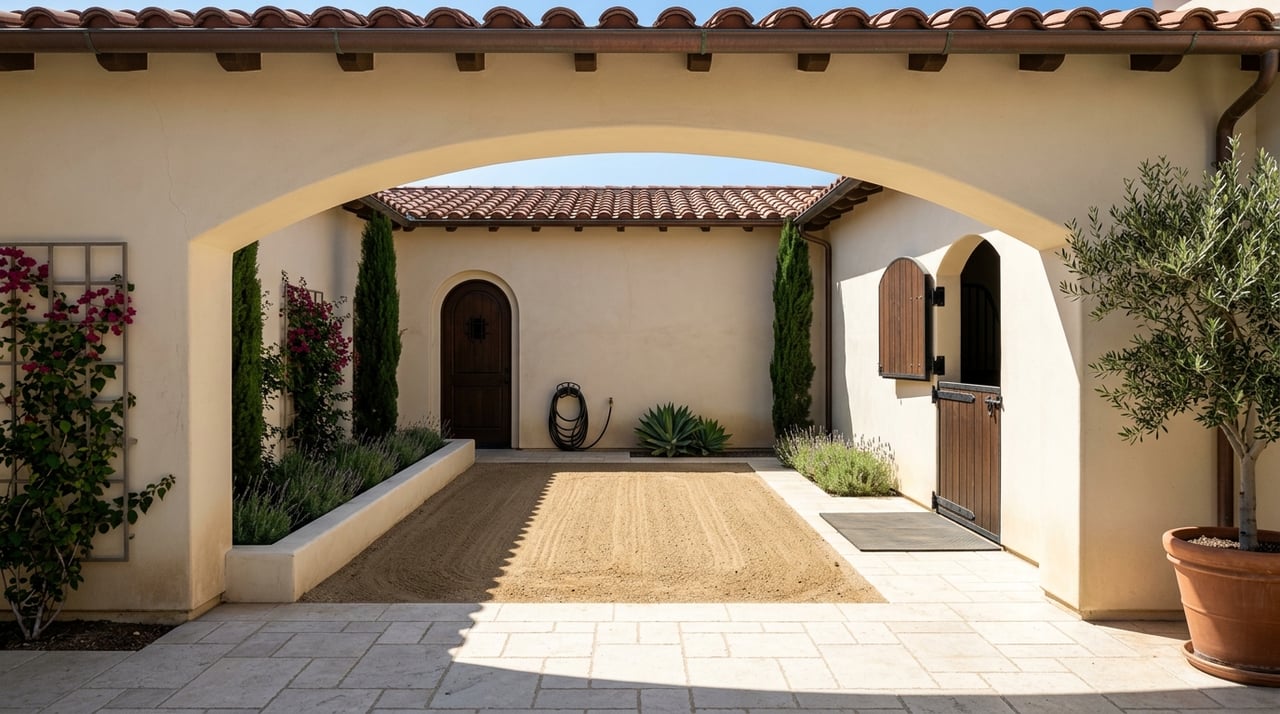
The layout rules matter too. The horsekeeping area, including barns, stables, and corrals, must be at least 35 feet from any dwelling and at least 10 feet from a swimming pool.
The city also notes that a 42-inch-high, 3-rail fence may be built to city standards in the Horse Overlay zone. For buyers who want the classic equestrian look, that is a helpful detail to understand early.
Do Not Assume Improvements Are Simple
Even when a structure or change does not require a building permit, zoning review may still be needed. The city notes that lot coverage, setbacks, and related planning issues can require zone clearance from the Planning Division.
That means your due diligence should go beyond asking whether horses are allowed. You should also verify what is possible if you want to add or expand a barn, tack room, stall cover, corral, or riding area.
This is especially important if you are comparing homes with different levels of existing equestrian infrastructure. A property with a usable setup in place may offer a smoother path than a parcel that seems adaptable but needs multiple approvals.
Understand Private Use Versus Commercial Use
Some buyers want a private setup for personal riding. Others may be thinking about training, lessons, or another business-related use. In Rolling Hills Estates, that distinction matters.
City materials say city-owned or city-operated horse training requires a horse-training permit and a business license. The city also states that certain trainers or trail-riding operators may use public arenas or the trail system only with city approval.
If your goal is private horsekeeping at home, your review will focus mainly on zoning, layout, and site conditions. If you are considering any commercial equestrian activity, you will need a more detailed review of city requirements before moving forward.
Look Closely at Trails and Access
Trail access is one of the biggest reasons buyers are drawn to Rolling Hills Estates. The city references an extensive bridle trail system and supports equestrian and bike trail resources for residents.
Still, trail access is not one-size-fits-all. Two homes can be in the same city but offer very different riding experiences depending on how close they are to trail connections, crossings, and public equestrian facilities.
The city also maintains equestrian crossings at road intersections tied to trail routes. That is a practical reminder that riding here often involves shared movement between horses, cars, and pedestrians, not a fully separate trail network.
For buyers who want to ride beyond their immediate neighborhood, the larger peninsula trail system adds value. The nearby Palos Verdes Nature Preserve includes public-access reserves with hiking, equestrian, and bicycle trails, though current access can change due to maintenance or landslide-related closures.
Nearby Riding Resources Add Flexibility
One of the benefits of buying in Rolling Hills Estates is that horse ownership does not have to look the same for every household. You may want a full horsekeeping property, or you may want a home near the trail network while boarding elsewhere.
The Peter Weber Equestrian Center can be part of that equation. The city says it offers horse boarding, trailer storage, and lessons, which can give buyers more flexibility if they want access to riding without maintaining a full setup at home.
That can be especially useful if you love the equestrian setting but prefer a simpler property footprint. In some cases, trail-adjacent living paired with off-site boarding may be a better fit than managing stalls, manure, drainage, and arena upkeep on your own parcel.
Evaluate the Site, Not Just the Acreage
A horse-friendly home is not defined by lot size alone. The best properties combine legal horsekeeping potential with a practical layout that supports daily use.
As you evaluate a home, look at how the land actually works. Is there enough functional space for corrals, stalls, storage, and circulation? Does the site feel easy to manage, or does the slope, layout, or existing improvement pattern create limitations?
Drainage deserves special attention. The city’s horsekeeping guidance recommends covered manure storage away from roof drains and drainage ways, placement on high ground, and runoff-control features such as vegetated berms or grassed ditches.
The city also recommends keeping wash racks, paddocks, pastures, and stables at least 50 feet from streams, canyons, storm drains, septic tanks, or leach fields. That means the most workable horse property is often the one with the smartest site planning, not just the biggest footprint.
Footing and Wet-Weather Use Matter
In Southern California, buyers sometimes assume the climate solves most horsekeeping challenges. Rolling Hills Estates does have mild seasonal temperatures and average annual rainfall of 11.72 inches, which supports year-round riding in many cases.
But weather still affects how useful a horse area will be. The city’s riding ring guidance notes that use in wet conditions is at the rider’s own risk and that lunging or turnouts are not allowed the day after rainfall.
That makes footing, grading, and maintenance important practical details. If a property already has horse areas in place, take time to assess whether they drain well, stay usable, and appear designed for lower runoff and less mud.
Plan for Clean, Responsible Horsekeeping
Because the city notes that stormwater flows untreated into local canyons and the ocean, runoff control is a major part of responsible horsekeeping. This is not just about appearance. It directly affects how well a property supports ongoing use.
A cleaner, better-planned setup typically includes thoughtful manure handling, smart wash-rack placement, and buffers that help limit runoff. These details can make day-to-day maintenance easier while supporting a more durable and usable equestrian setup.
For buyers, this is one of the clearest reasons to look beyond marketing language. A property described as horse-friendly should be evaluated for how it functions in real life, not just how it photographs.
Emergency Readiness Should Be Part of Your Search
Emergency planning is part of horse ownership anywhere, and it is especially relevant in Southern California. The city recommends a three-day feed and water supply, labeled halters and contact information, microchipping, trailer practice, a full emergency kit, and a neighborhood support network.
When you tour a potential property, think about evacuation logistics as well as lifestyle appeal. Is there room for trailer access? Does the layout support safe loading and movement? Could you manage your horses efficiently if conditions changed quickly?
These questions may not be the first things you notice during a showing, but they are part of smart long-term buying.
A Smart Buying Approach in Rolling Hills Estates
If you are serious about buying horse-friendly property in Rolling Hills Estates, keep your search focused on a few address-level questions:
- Is the property in the Horse Overlay zone?
- How much true horsekeeping area does the parcel offer?
- Do setbacks and site layout support the use you want?
- How do drainage, footing, and manure handling appear to function?
- What trail access or equestrian crossings are nearby?
- Are you looking for private horsekeeping, trail-adjacent living, or a home paired with boarding elsewhere?
These questions help you separate a scenic property from a truly workable equestrian purchase. In a market like Rolling Hills Estates, that clarity can save time and reduce surprises.
If you want local guidance on the nuances between trail-adjacent homes, horsekeeping parcels, and luxury properties with equestrian potential, the Stearns Lieb Team can help you navigate the Rolling Hills Estates market with clear communication and Peninsula expertise.
FAQs
What makes a home horse-friendly in Rolling Hills Estates?
- A horse-friendly home in Rolling Hills Estates should be in the Horse Overlay zone if you want to keep horses, and it should also have enough usable horsekeeping area, proper setbacks, workable drainage, and a practical layout for daily care.
Can you keep horses on any large lot in Rolling Hills Estates?
- No. The city states that a property must be in the Horse Overlay zone to keep horses, so lot size alone does not make a home legal for horsekeeping.
How many horses can a property have in Rolling Hills Estates?
- The city allows a maximum of four horses, with at least 800 square feet of horsekeeping area for the first horse and 300 additional square feet for each additional horse.
What should buyers check about barns and corrals in Rolling Hills Estates?
- Buyers should verify setbacks, zoning clearance needs, drainage, footing, manure storage, and whether barns, stables, and corrals are placed at least 35 feet from any dwelling and 10 feet from a swimming pool.
Is trail access guaranteed from every equestrian home in Rolling Hills Estates?
- No. Rolling Hills Estates has an extensive trail network and equestrian crossings, but access varies by property location, nearby connections, and current trail conditions.
Can you enjoy the equestrian lifestyle in Rolling Hills Estates without keeping horses at home?
- Yes. Some buyers choose a trail-adjacent home and use resources such as boarding, trailer storage, or lessons at the Peter Weber Equestrian Center instead of maintaining a full home horsekeeping setup.