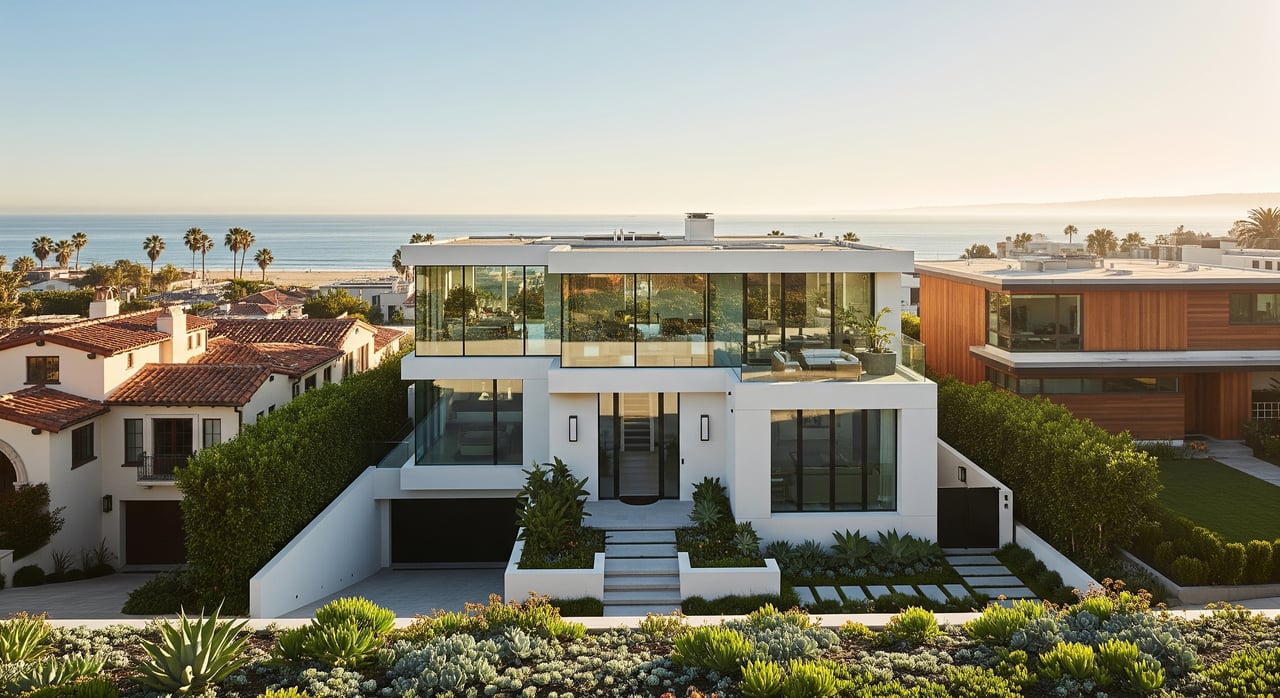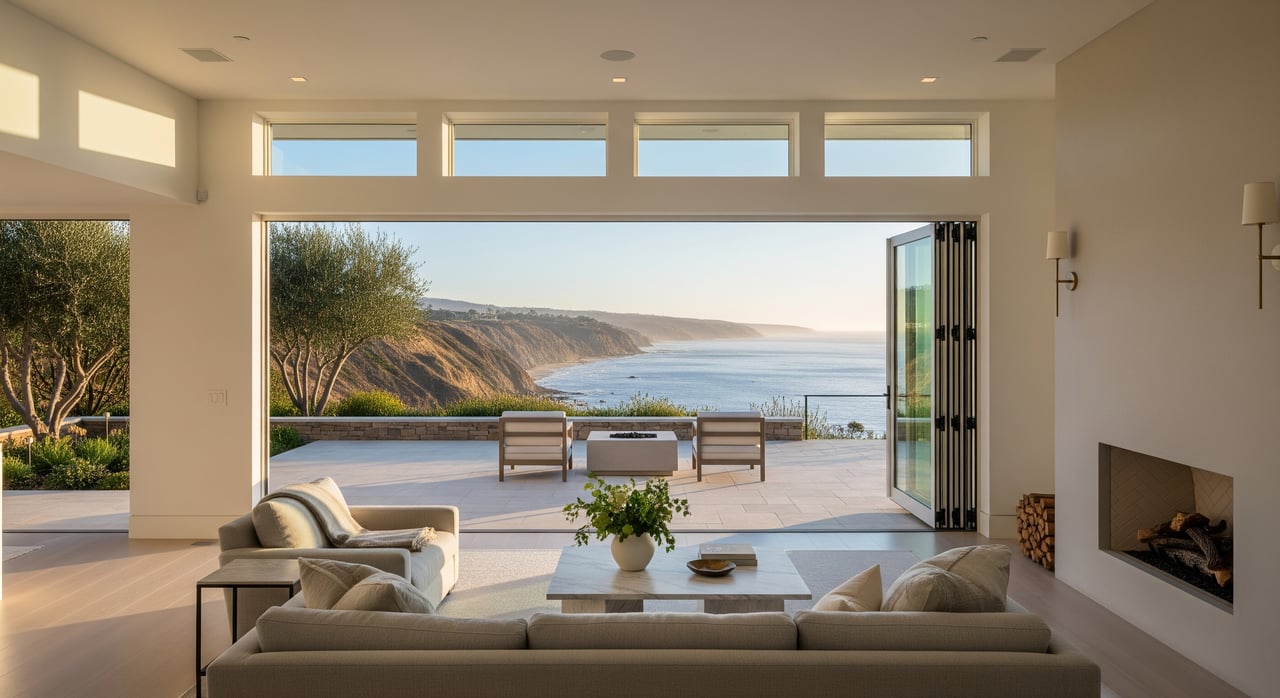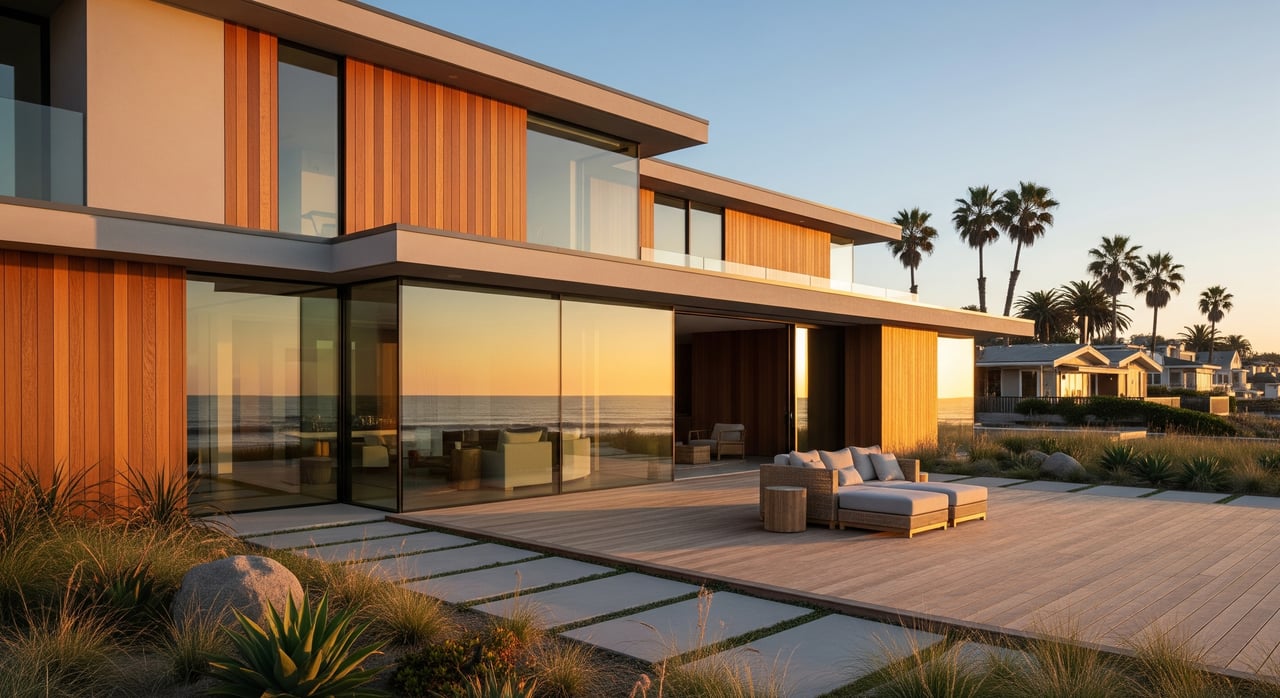
What does coastal living actually feel like when it is not a vacation, but your regular Tuesday? In Manhattan Beach, the answer is a mix of ocean air, walkable routines, public spaces that stay active year-round, and a polished local scene that still feels grounded in beach culture. If you are considering a move, a purchase, or a future sale in this part of the South Bay, understanding the day-to-day lifestyle matters just as much as understanding the real estate itself. Let’s dive in.
Why Manhattan Beach Feels Different
Manhattan Beach packs a lot into a small footprint. The city spans about 4 square miles, includes 2.1 miles of beachfront, and has roughly 80.88 park acres, which helps explain why daily life here feels both compact and amenity-rich.
It also sits about 19 miles southwest of downtown Los Angeles and around 3 miles south of LAX. That location gives you a rare combination: a true beach setting with practical access to the rest of the region.
This is also a premium coastal market. The city reports a population of about 35,506, a median household income of $193,904, and an assessed valuation of $26.2 billion, all of which support its reputation as one of the South Bay’s higher-end lifestyle destinations.
Beach Life Is Part of the Routine
In many coastal cities, the beach is a backdrop. In Manhattan Beach, it is part of how people move through the day.
The Manhattan Beach Pier is a central part of that experience. It stretches 928 feet into the Pacific, dates to 1920, and includes the Roundhouse Aquarium and the Volleyball Walk of Fame, making it more than a scenic landmark.
You can picture the rhythm easily: an early walk, a quick stop at the pier, time on the sand, or a casual meetup near the water. Fishing is also permitted year-round, which adds another layer to how locals use the shoreline beyond peak summer days.
The Strand and bike path matter
One detail that says a lot about everyday life here is how the coastline is used. The Strand is pedestrian-oriented, while bikes belong on the Marvin Braude Beach Bike Trail, the paved beach-front path.
The city’s safety guidance reinforces that separation. Riding is prohibited on the Strand and in the pier’s walk-only zones, and the beach bike trail has a 15 mph speed limit.
That may sound minor, but it helps define the atmosphere. Walkers, runners, beachgoers, and cyclists each have their place, which makes the waterfront feel more usable for regular life, not just weekend crowds.
Surf Town Meets Polished Coastal Luxury
One of the most appealing things about Manhattan Beach is that it does not force you to choose between relaxed and refined. It has both.
The city describes North Manhattan Beach as a laid-back surf community, while downtown is known for chic shopping and restaurants just steps from the sand. That blend is a big part of the appeal for buyers who want a home that feels elevated without feeling overly formal.
Beach volleyball and surfing are woven into the local identity. Manhattan Beach is known as a hotspot for both, and the city supports that reputation with beach volleyball classes and major summer events like the Manhattan Beach Open and the International Surf Festival.
Local events keep the culture visible
These are not one-off attractions. They are part of the city’s social rhythm.
The International Surf Festival includes surfing, bodysurfing, a beach run, paddleboard events, and the Charlie Saikley 6-Man Beach Volleyball Tournament. Events like these keep the beach culture active and visible, even in a market that also caters to luxury buyers and design-conscious homeowners.
If you are trying to understand the lifestyle, this is the key takeaway: Manhattan Beach feels polished, but it still reads as a surf town at heart.
Parks Add Balance Beyond the Sand
The beach may get the attention, but the parks system broadens the lifestyle in a meaningful way. For many residents, these spaces shape weekday routines just as much as the shoreline does.
Polliwog Park is the city’s largest at 18 acres and often serves as a hub for recreation and community events. Live Oak Park covers 9 acres and includes tennis courts, picnic areas, and community facilities.
Veterans Parkway adds a different kind of outdoor access. This 21-acre greenway runs north to south and includes a 1.5-mile jogging trail, giving residents another way to stay active away from the beach.
Sand Dune Park is another notable coastal open space, and selected city parks include dog-friendly areas. For buyers thinking about daily routines, that matters because it shows that Manhattan Beach supports more than one version of outdoor living.
Downtown Living Is Highly Walkable
A big part of everyday coastal living is how often you can leave the car parked. In Manhattan Beach, downtown plays a major role in that.
The city describes downtown Manhattan Beach as a vibrant, charming district with chic shopping and award-winning restaurants near the beach. Highland Avenue adds another layer with coffee shops, cafes, pubs, restaurants, bars, shops, and services north of the sand.
That concentration of destinations helps support a more walkable lifestyle. Whether you are grabbing coffee, meeting friends for dinner, or running a quick errand, many daily stops cluster in a relatively compact area.
The farmers market adds weekly rhythm
The downtown farmers market, held every Tuesday, gives the city another strong everyday-living detail. It is the kind of recurring local routine that makes a place feel lived-in rather than seasonal.
For many buyers, that matters more than any single headline amenity. A city feels complete when there is a dependable weekly rhythm built into public life.
Community Life Extends Past Summer
It is easy to assume beach towns peak in warm weather and quiet down after that. Manhattan Beach has a stronger year-round community calendar than many people expect.
Recurring events include Concerts in the Park at Polliwog Park, the annual Pier Lighting, the Holiday Open House downtown, and city-sponsored cultural events at the Art Center. Together, these create a steady pattern of public gatherings that keep the city active across seasons.
The Manhattan Beach Art Center adds another dimension with exhibitions and art education. That helps round out the lifestyle for people who want cultural programming close to home, not just outdoor recreation.
Recreation Options Go Beyond the Basics
For a small beach city, Manhattan Beach offers a notable mix of private and public recreation. That adds depth to the lifestyle, especially for buyers who want options beyond the shoreline.
On the private side, Manhattan Country Club offers 16 tennis courts, 7 pickleball courts, a 25-yard pool, fitness facilities, and dining venues. On the public side, the city offers tennis, pickleball, swim programs, art classes, senior club space, a teen center, and broader community-center programming.
That mix helps Manhattan Beach function as a full-service hometown. You can enjoy the ocean setting, but your daily life does not have to revolve around the beach alone.
Can You Live Car-Light in Manhattan Beach?
For some households, the answer can be yes, at least for many local errands and outings. Downtown, Highland Avenue, and the beachfront cluster a number of daily destinations close together.
The city’s maps also note Metro Line 109 service connecting Manhattan Beach Pier and downtown with Hermosa Beach, Redondo Beach, Manhattan Village, El Segundo, and the LAX City Bus Center. That does not make Manhattan Beach fully car-free, but it does support a more flexible lifestyle than some buyers expect.
If you value convenience, this is an important part of the appeal. You get a coastal setting without giving up everyday practicality.
The Tradeoffs Are Part of the Reality
Every desirable coastal city comes with tradeoffs, and Manhattan Beach is no exception. In this case, two of the biggest are parking demand and coastal resilience.
The city’s parking information makes clear that downtown parking is a managed resource. During peak beach days, events, and busy weekends, crowds are part of the experience.
The city is also actively planning for long-term coastal conditions through its Climate Ready Manhattan Beach program and dune restoration efforts. That work addresses sea-level rise, coastal erosion, and beach vulnerability, which are important parts of oceanfront stewardship.
These realities do not diminish the appeal of living here. They simply remind you that everyday coastal living includes both beauty and ongoing care.
What This Means for Buyers and Sellers
If you are buying in Manhattan Beach, lifestyle fit matters. This is a place where small differences in location can shape your routine, whether you value beach access, walkability, park proximity, or easier access to nearby South Bay hubs.
If you are selling, the lifestyle story is a major part of the property’s value. Buyers are not just evaluating square footage or finishes. They are also responding to the daily rhythm of the city, from mornings near the pier to evenings downtown and active weekends in parks and public spaces.
That is why local insight matters in a market like this. The right guidance helps connect a home to the version of Manhattan Beach living that will resonate most with the right buyer.
If you are considering a move in Manhattan Beach or elsewhere in the South Bay, the Stearns Lieb Team offers thoughtful, high-touch guidance backed by deep local knowledge and a clear, client-first approach.
FAQs
What is everyday life like in Manhattan Beach?
- Everyday life in Manhattan Beach blends beach access, walkable dining and shopping, active parks, recreation programs, and a year-round calendar of community events.
Is Manhattan Beach more of a surf town or a luxury market?
- Manhattan Beach is both, with a strong surf and beach volleyball identity alongside chic downtown retail, upscale amenities, and a premium coastal market profile.
What outdoor spaces are available in Manhattan Beach besides the beach?
- Manhattan Beach offers several notable public spaces, including Polliwog Park, Live Oak Park, Veterans Parkway with its 1.5-mile jogging trail, and Sand Dune Park.
Can you get around Manhattan Beach without driving everywhere?
- Many daily destinations are clustered downtown, along Highland Avenue, and near the beach, and Metro Line 109 connects the area with nearby South Bay locations and the LAX City Bus Center.
What are the main tradeoffs of living in Manhattan Beach?
- Two of the main tradeoffs are managed parking demand during busy periods and the long-term realities of coastal resilience planning in an oceanfront city.