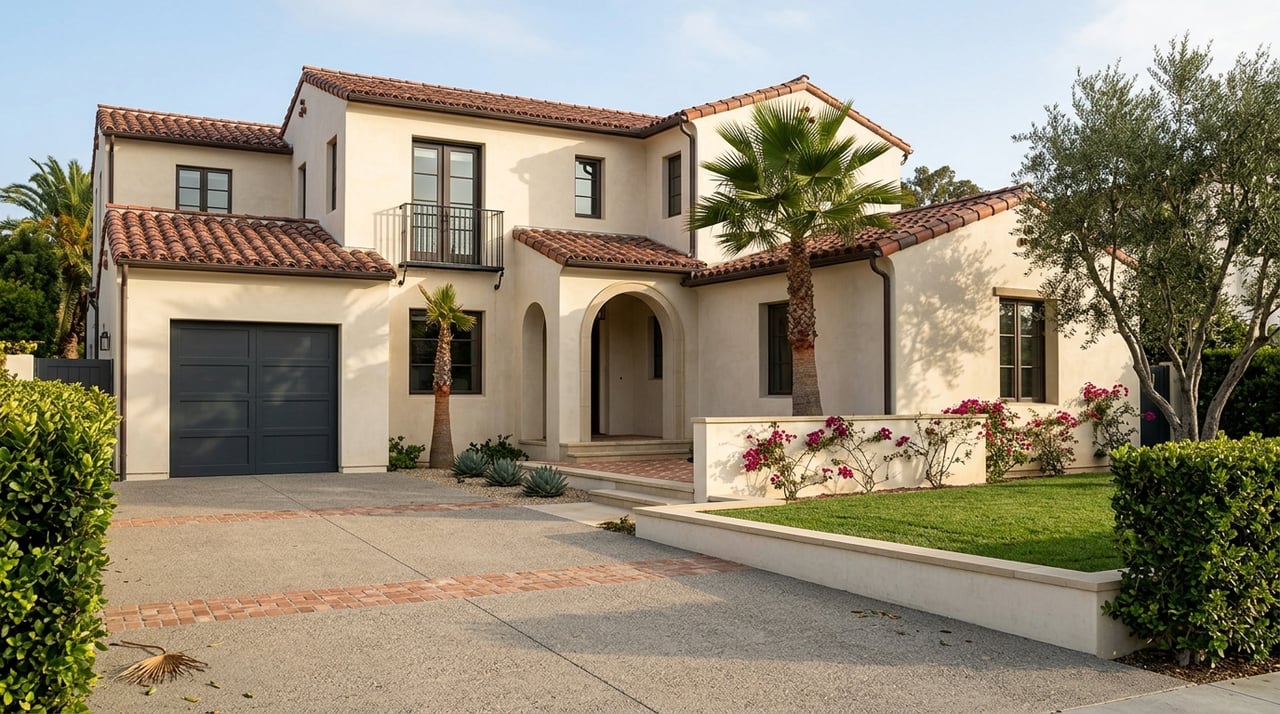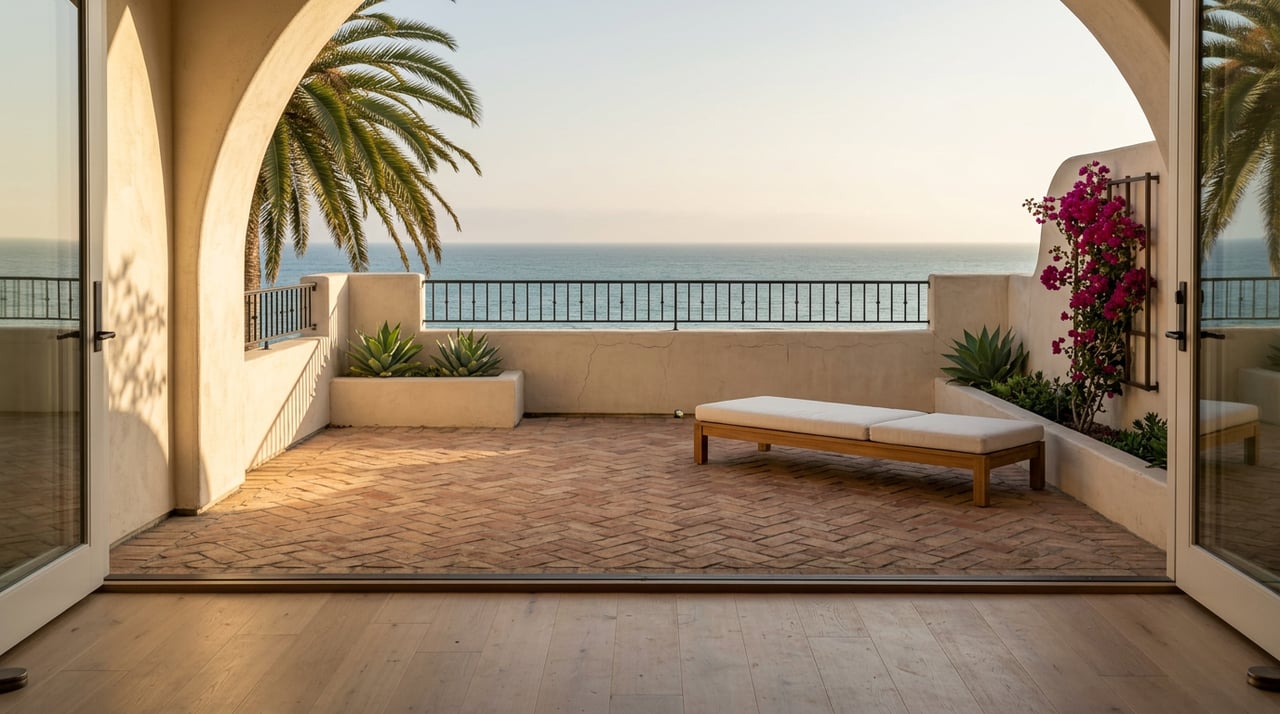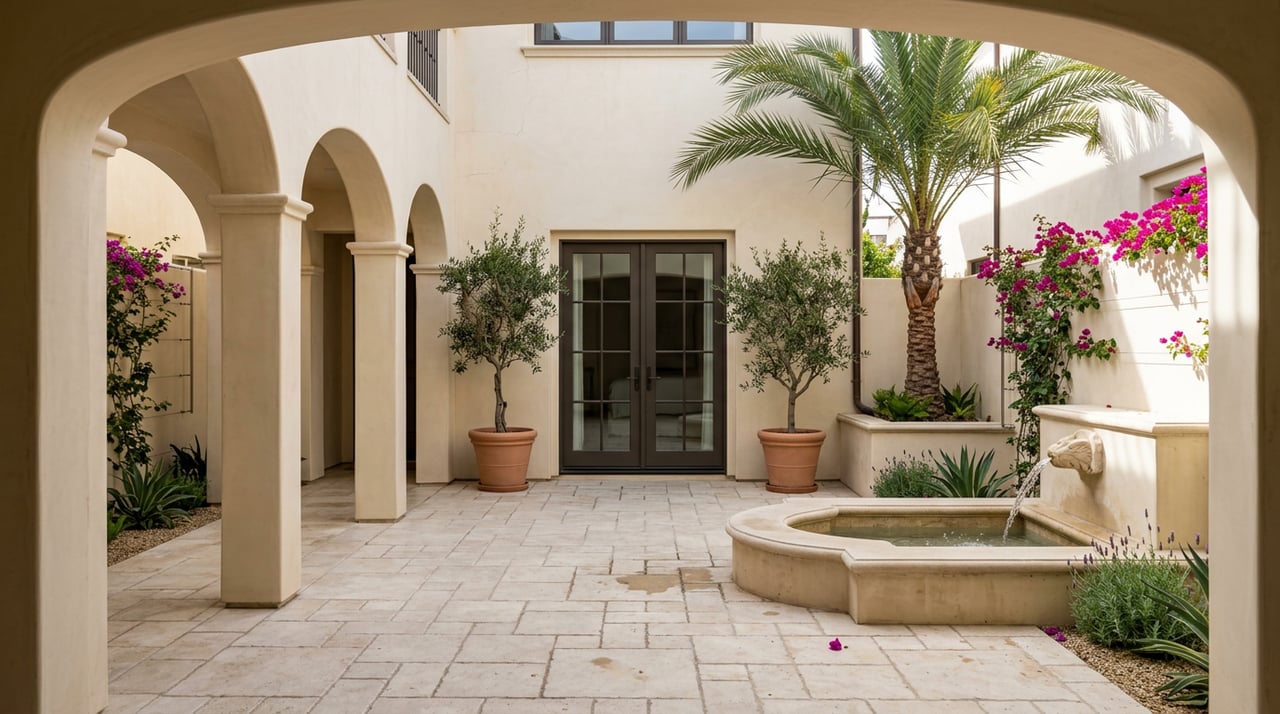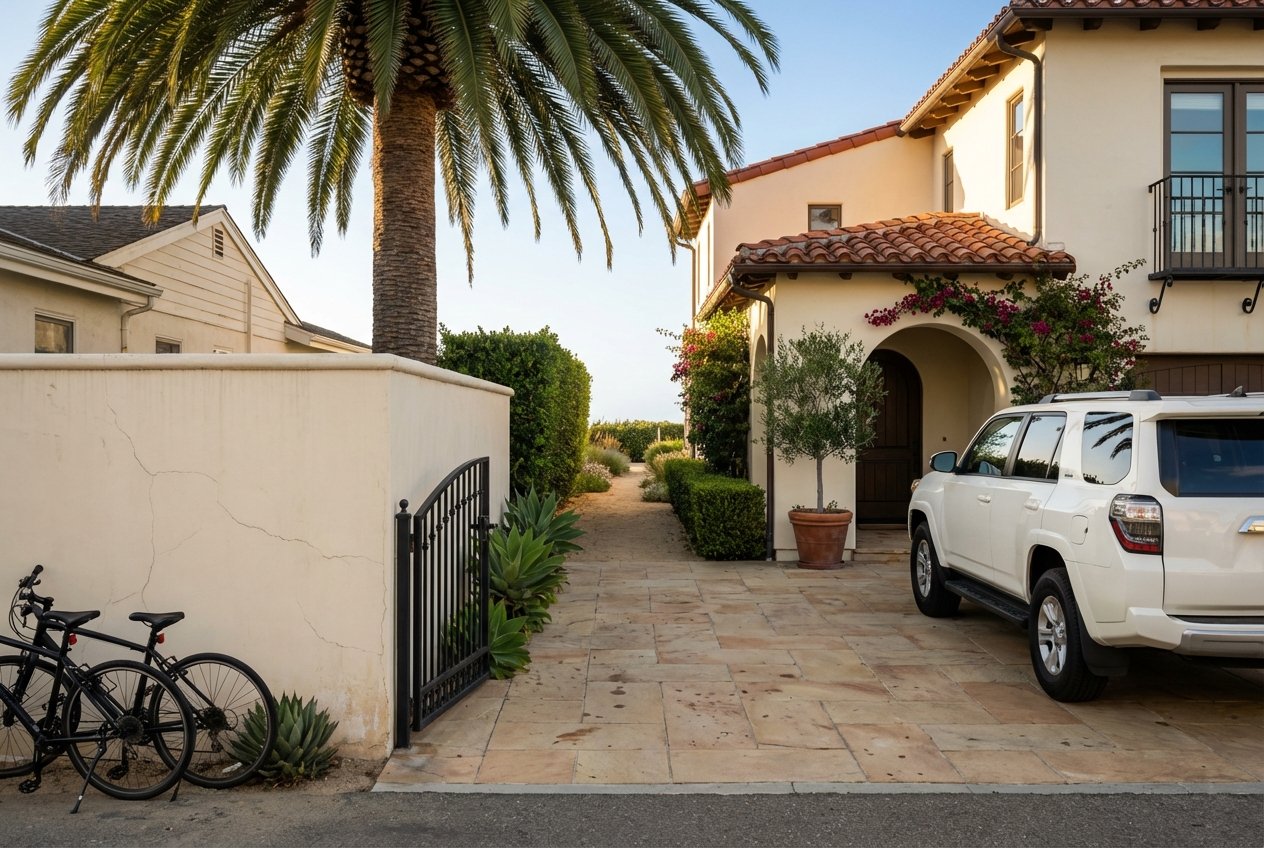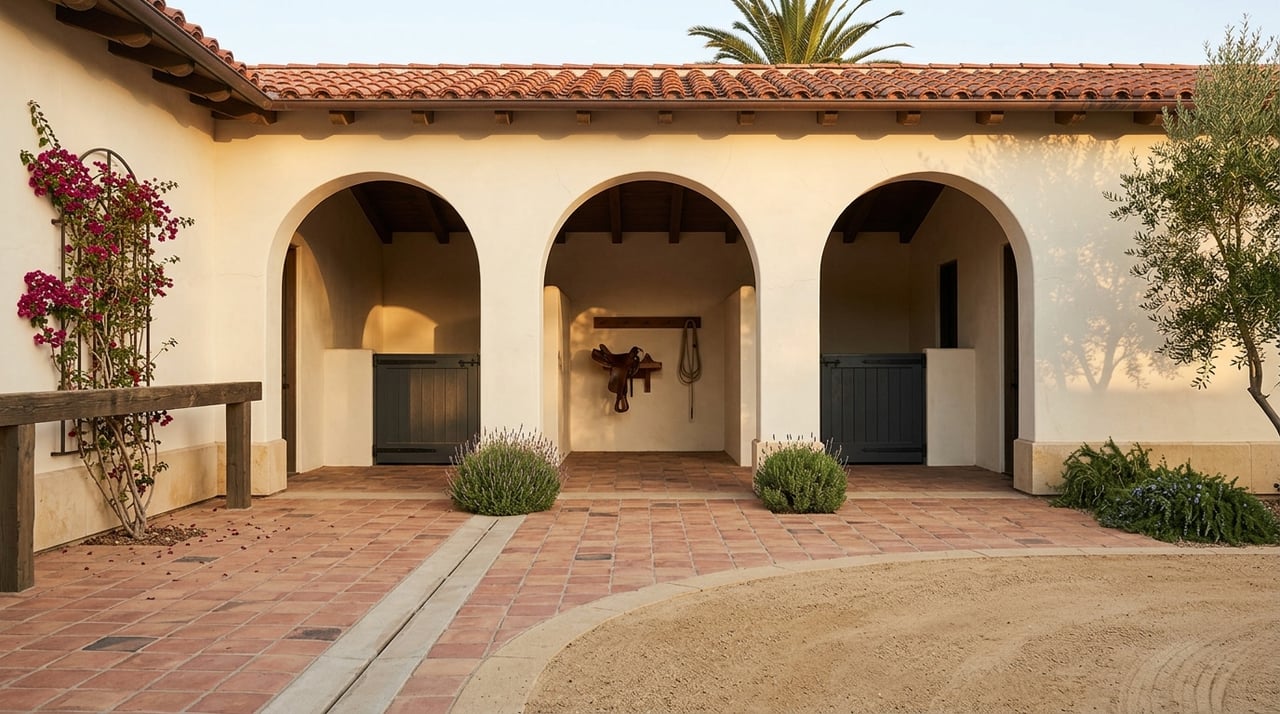
If you picture luxury living as quiet roads, generous land, and a daily connection to open space, Rolling Hills stands apart right away. This is not a typical neighborhood on the Palos Verdes Peninsula, and it is not trying to be. If you are curious about what equestrian estate living in Rolling Hills is really like, this guide will help you understand the setting, the rules, and the rhythm of daily life before you buy or sell. Let’s dive in.
Rolling Hills feels intentionally different
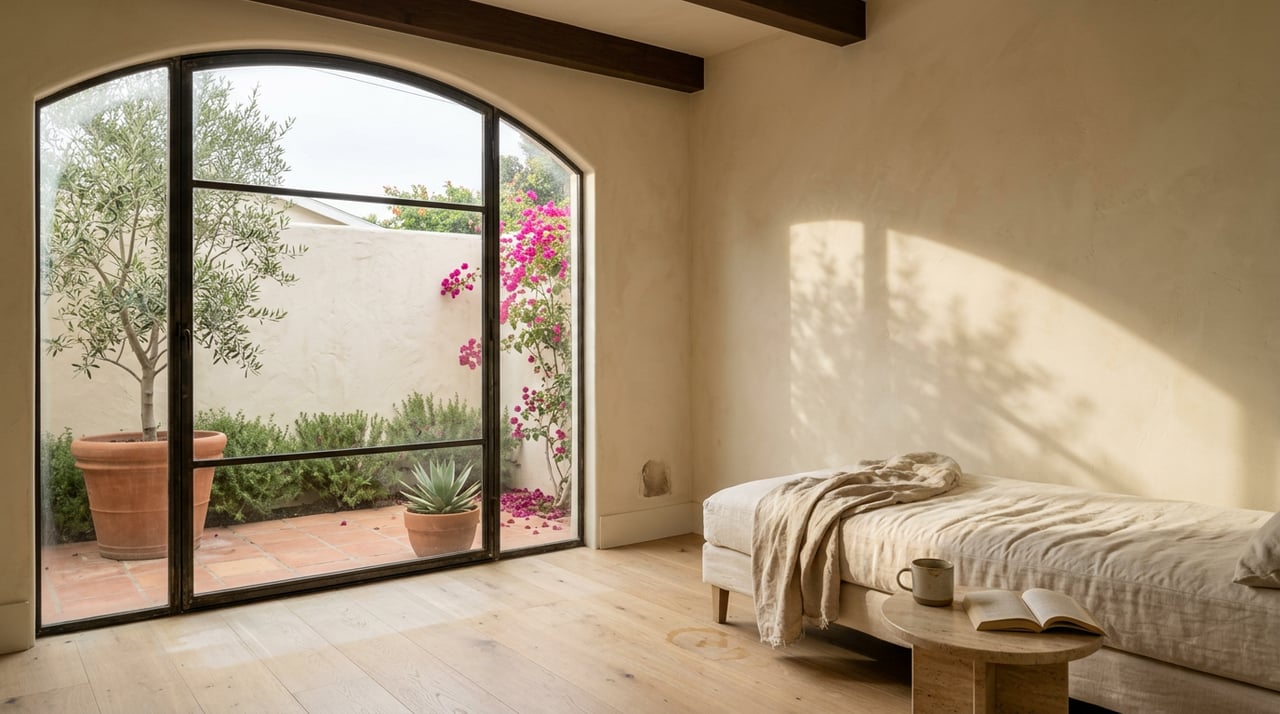
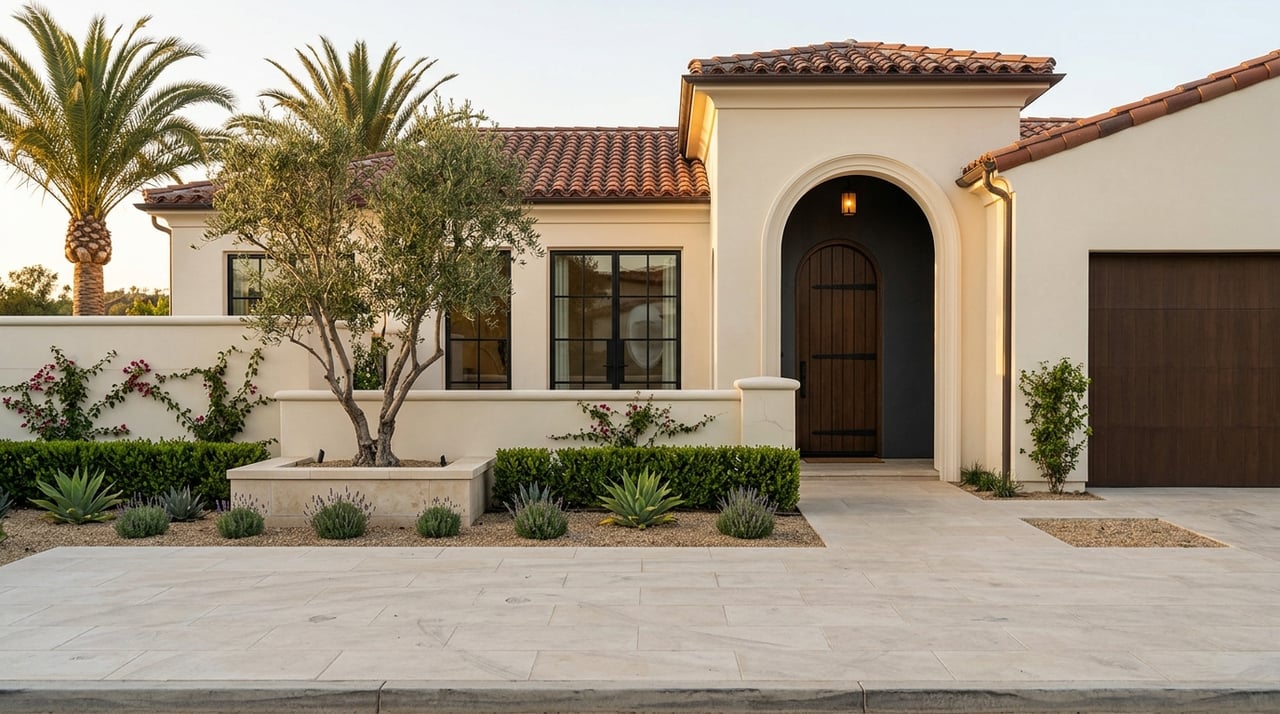
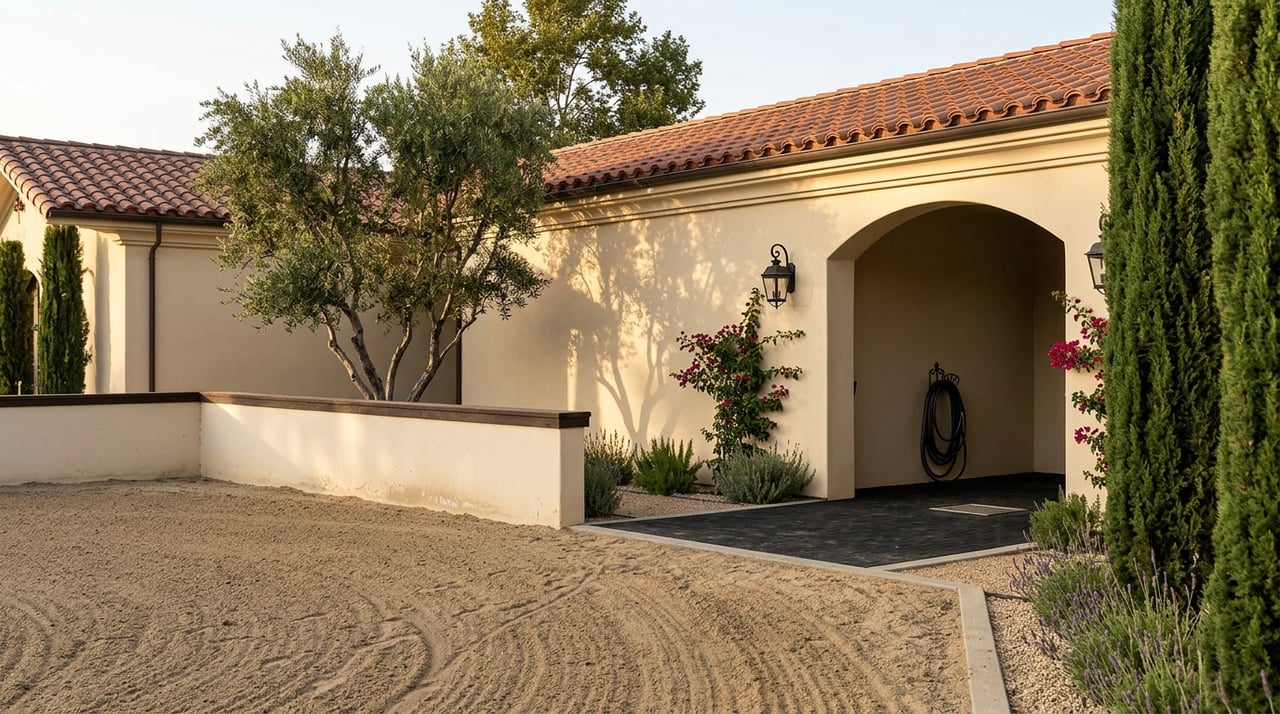
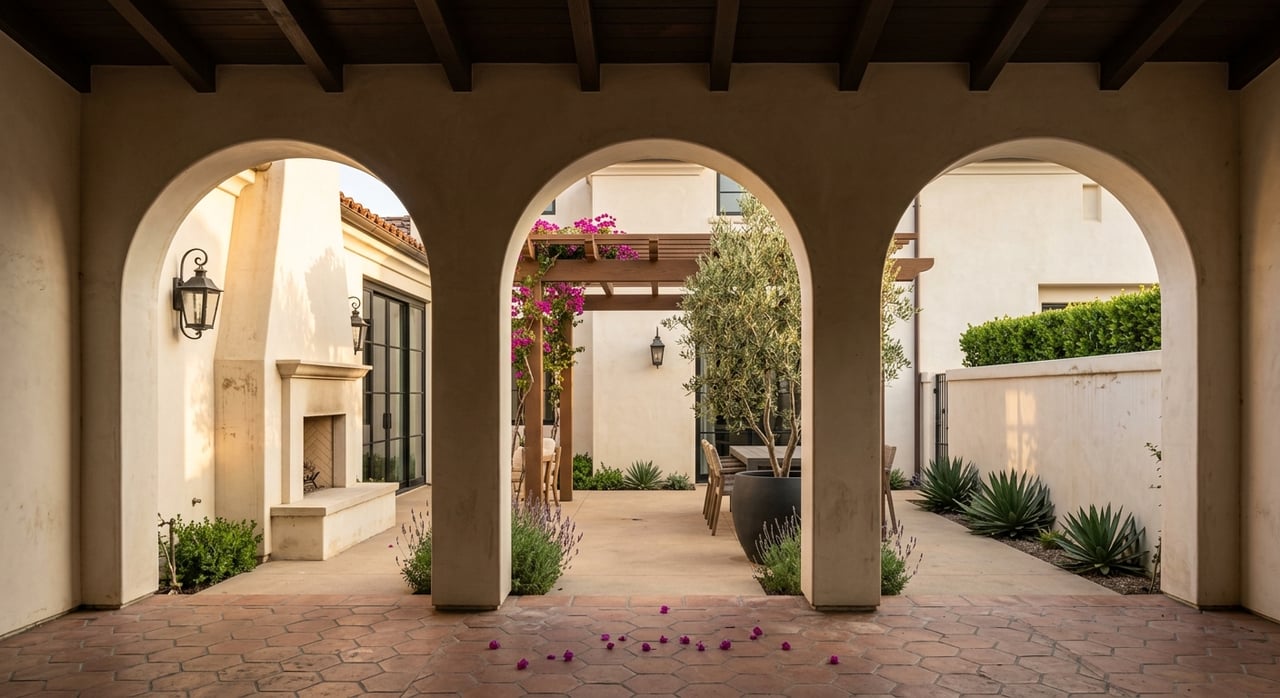
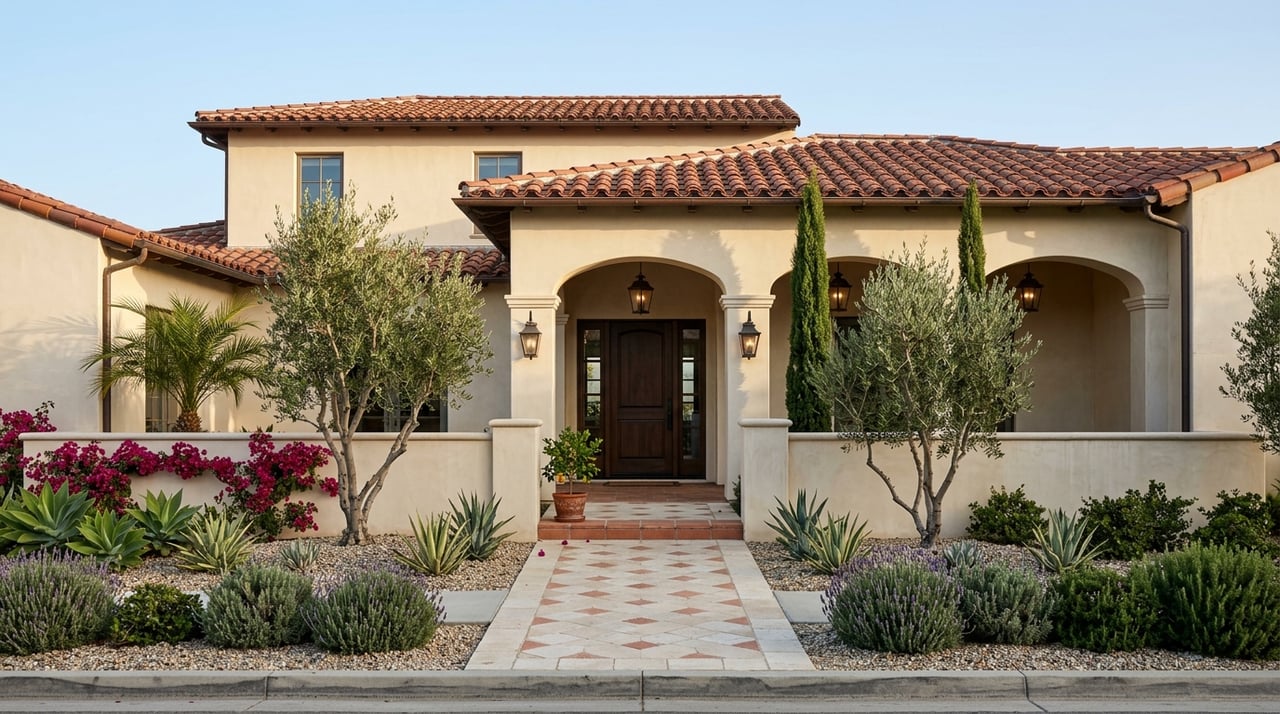
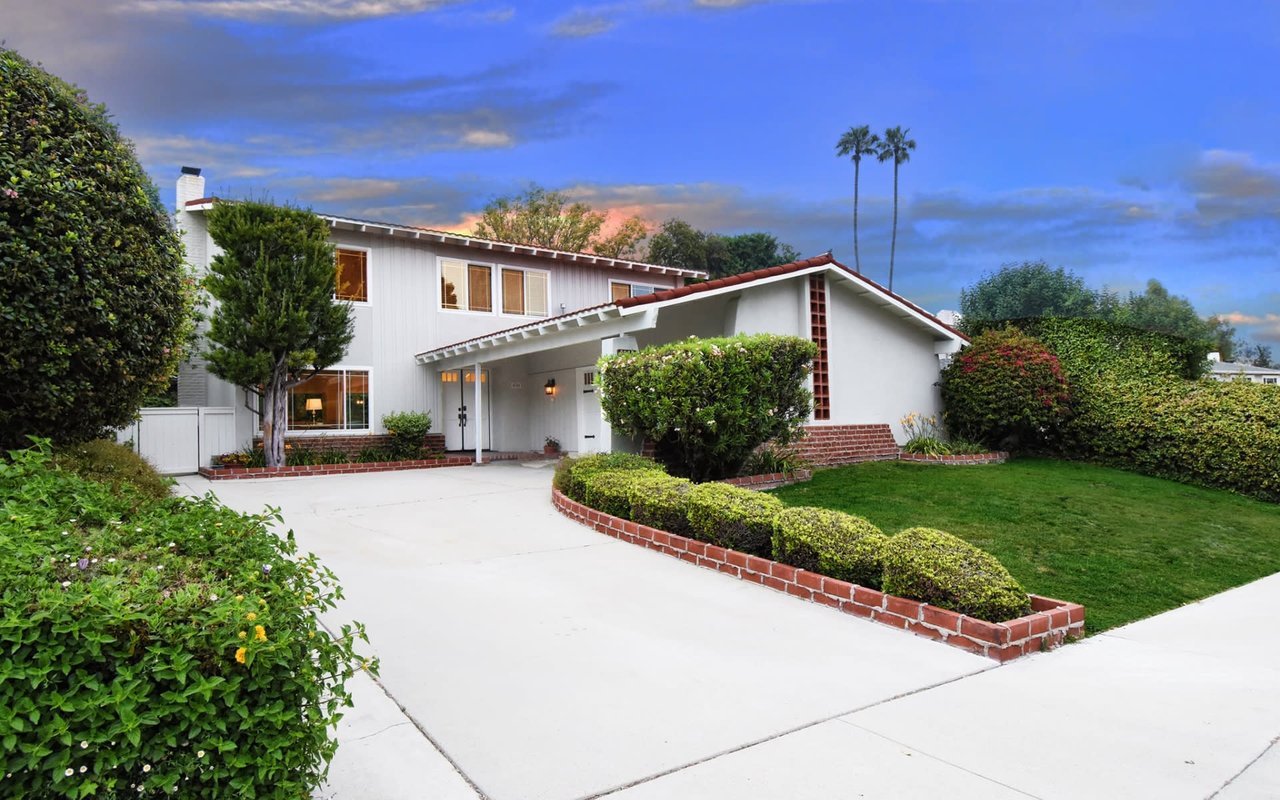
Rolling Hills is a 3-square-mile, entirely residential private gated community on the Palos Verdes Peninsula. Official city materials describe estate-sized, one-story ranch homes, canyon terrain, and coastline and basin views, all within a distinctly rural residential setting. That combination gives the city a calm, tucked-away feel that is hard to find elsewhere in Los Angeles County.
The layout is also unusual in ways that shape everyday living. City planning materials state there are no public roads or streets, no commercial uses, no transportation corridors, and no traffic lights inside Rolling Hills. In practice, that means you live in a private residential enclave and typically head to nearby Peninsula communities for errands and services.
Privacy is part of the lifestyle
Privacy in Rolling Hills is not just a feeling. It is built into the community structure. The city and the Rolling Hills Community Association share the same boundaries, and the community has three staffed gates.
That gate system changes the pace of the day. Guests, deliveries, and service providers need the resident’s name and address, valid identification, and guest-list authorization, while workers follow set access hours. Even real estate showings move through a more controlled process, which can appeal to owners and buyers who value discretion.
Estate lots support a ranch-style pattern
Rolling Hills is known for minimum 1-acre lots, white 3-rail perimeter fencing, and a strong review process for fences, view issues, and new construction. Those standards help preserve the visual consistency that many people associate with the community. The result is a setting that feels spacious, cohesive, and carefully managed.
The overall estate pattern is also tied to how properties function. This is a place where open land, setbacks, and property planning matter as much as the house itself. If you are considering a move here, it helps to think beyond square footage and focus on how the lot supports privacy, access, outdoor use, and horsekeeping.
Bridle trails shape everyday life
The trail system is one of the clearest signs that Rolling Hills is built around an equestrian lifestyle. Official sources vary on the exact number, but the community offers roughly two dozen to nearly 30 miles of bridle trails. That is not a minor amenity. It is a defining feature of how residents experience the area.
These trails are maintained by the Rolling Hills Community Association and monitored by the Caballeros Club. Trails are for daylight use only, bicycles and motor vehicles are prohibited, and all riders and pedestrians check in at the gates. Nonresident riders need trail badges, and pedestrians may use the trails only when accompanied by a resident.
For residents who ride, this creates an unusually integrated daily routine. You are not hauling out to a separate facility just to enjoy horse time. The trail network is part of the community itself, which makes riding feel more woven into home life.
Riding here is also social
Rolling Hills is not only about private barns and individual estates. The community also includes two riding rings: Caballeros Ring at Hesse’s Gap and Clif Hix Ring. These spaces support the communal side of the equestrian lifestyle.
Use of the rings is limited to residents and their guests. Caballeros Ring also includes hitching posts and a picnic area, which adds a social layer to the experience. In other words, horse culture here is not just practical. It also helps shape how neighbors gather and spend time outdoors.
Horsekeeping is built into property design
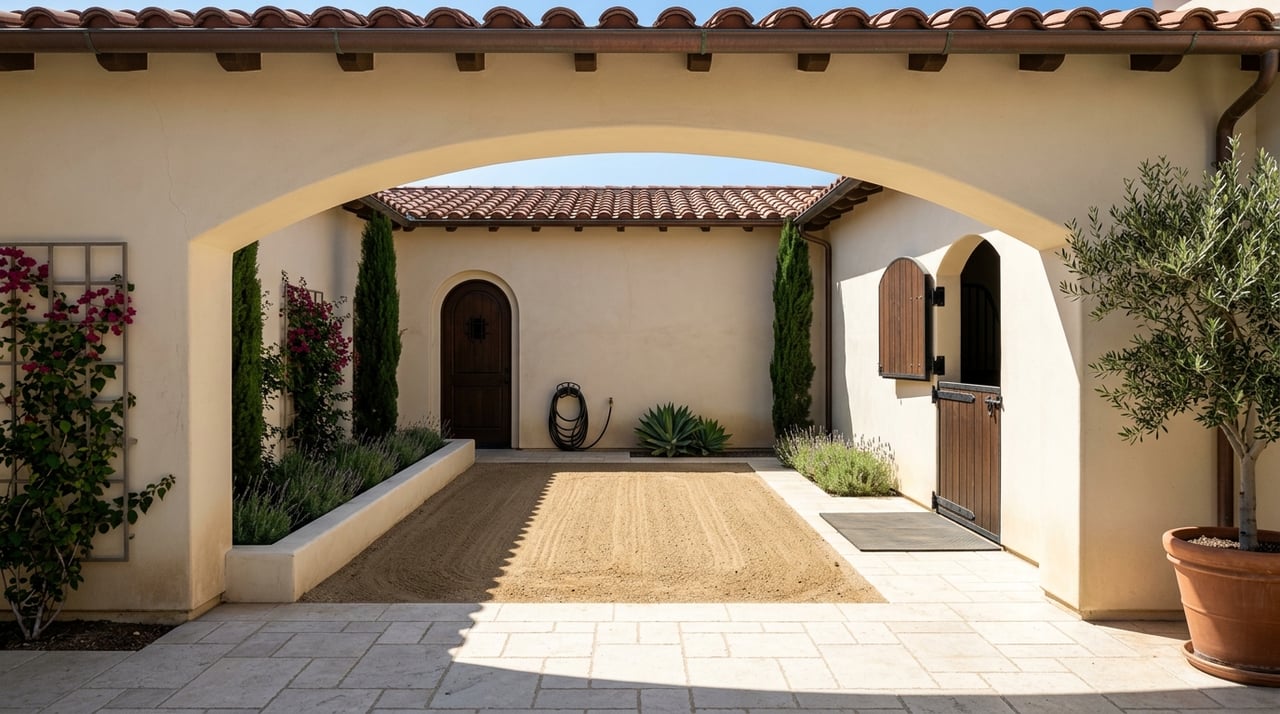
One of the biggest differences in Rolling Hills is that horsekeeping is not treated like an afterthought. City zoning explicitly anticipates stable, corral, turnout, paddock, and related animal-keeping uses within residential districts. That matters because it shows the lifestyle is embedded in the land-use framework.
The city’s design code also requires lot layouts to reserve substantial graded building-pad space and designated horsekeeping areas. This helps explain why the community feels planned for ranch living instead of retrofitted for it. When you walk a property in Rolling Hills, the site often reflects that original design logic.
Stable planning is practical and residential
City stable guidelines focus on everyday function. They address ventilation, outdoor exercise space, access for feed and manure service, fire access, and placement in relation to neighboring properties. These are practical details, but they have a direct effect on how a horse property works from day to day.
The same guidelines also frame horsekeeping as private and noncommercial. That means the community expectation is centered on residential use rather than commercial boarding or training operations. For buyers, that distinction is important because it helps set realistic expectations for how estates are intended to operate.
Community rules protect the setting
Rolling Hills often feels more like a private ranch enclave than a conventional neighborhood. A big reason is the level of community governance. The association manages gate operations, bridle trails, roadway easements, plan review, fence approval, and view complaints.
That structure can be a major benefit if you value consistency and long-term preservation of the community character. It also means ownership comes with a clear understanding that changes to a property may involve review and approval. Buyers who appreciate order and visual continuity often see that as part of the appeal.
Daily life moves at a slower pace
Because there are no public streets or commercial corridors in Rolling Hills, the community has a quieter and more deliberate rhythm. You are not dealing with pass-through traffic, retail activity, or the usual stop-and-go flow of a typical suburban street pattern. The environment supports a more contained, private lifestyle.
That slower pace also shows up in daily logistics. Access for visitors and vendors is structured, trail use follows community rules, and the private-road environment comes with shared expectations. For many residents, that trade-off is exactly what makes Rolling Hills special.
The terrain brings real-world considerations
As beautiful as the setting is, Rolling Hills estate living also comes with practical property considerations. The city sits on hilly canyon terrain, includes areas with landslide potential, and is within a Very High Fire Hazard Severity Zone. Those facts should be part of any serious buying or selling conversation.
For buyers, that means looking closely at drainage, slope stability, brush management, and fire preparedness. For sellers, it means understanding how to present the property clearly and thoughtfully when these questions come up. In a market like Rolling Hills, experienced guidance matters because the lifestyle and the land are closely connected.
What buyers should understand first
If you are considering buying in Rolling Hills, it helps to focus on a few core questions early in your search:
- How important is direct or easy access to the bridle trail system?
- Does the lot layout support your intended horsekeeping use?
- Are you comfortable with gate procedures and community review standards?
- How will slope, drainage, and fire-zone considerations affect your plans?
- Do you want a move-in-ready estate or a property with room for tailored improvements?
In this market, the right property is not just about finishes or views. It is about fit between your lifestyle and the structure of the community.
What sellers should keep in mind
If you own a property in Rolling Hills, your home is likely appealing for reasons that go far beyond the house itself. Privacy, lot design, trail access, gated entry, and equestrian functionality can all influence buyer interest. Those details deserve clear, polished presentation.
For sellers, that often means preparing a property in a way that highlights both the estate experience and the practical strengths of the site. In a community this specific, strong marketing and local market knowledge can help buyers understand what makes a Rolling Hills property different from other luxury homes on the Peninsula.
Why Rolling Hills stands apart
At its core, equestrian estate living in Rolling Hills is about space, privacy, and a rural residential setting that has been carefully protected over time. The trails, gates, lot sizes, and horsekeeping framework are not random features. They work together to create a lifestyle that feels rare in Los Angeles County.
If that mix of ranch-style estate living and structured community standards fits what you want, Rolling Hills can offer an exceptional ownership experience. It is a place where horses, land, and home life are meant to work together, and that identity shapes almost every part of the market.
If you are thinking about buying or selling in Rolling Hills, the Stearns Lieb Team can help you navigate the details with clear guidance, local insight, and a high-touch approach tailored to Peninsula estate living.
FAQs
What makes Rolling Hills different from other Peninsula neighborhoods?
- Rolling Hills is an entirely residential private gated community with three staffed gates, private-road easements, minimum 1-acre lots, and a distinctly rural residential character shaped by privacy, open space, and equestrian use.
How extensive are the horse trails in Rolling Hills?
- Official sources vary, but the community has roughly two dozen to nearly 30 miles of bridle trails, making the trail network one of the defining features of daily life in Rolling Hills.
Can homeowners keep horses on Rolling Hills properties?
- Yes. City zoning and design standards explicitly anticipate residential horsekeeping uses such as stables, corrals, turnout areas, and paddocks, subject to applicable city and community requirements.
How does gate access work in Rolling Hills?
- Guests, deliveries, and service providers typically need the resident’s name and address, valid identification, and guest-list authorization, while workers follow set access hours through the staffed gates.
What should buyers know about land and safety in Rolling Hills?
- Buyers should pay attention to hillside conditions, including drainage, slope stability, brush management, and fire preparedness, since the city includes canyon terrain, areas with landslide potential, and a Very High Fire Hazard Severity Zone.
Are the equestrian amenities in Rolling Hills only for residents?
- Residents and their guests may use the community riding rings, while trail use also follows specific gate check-in and badge rules, including requirements for nonresident riders and restrictions on pedestrian access.