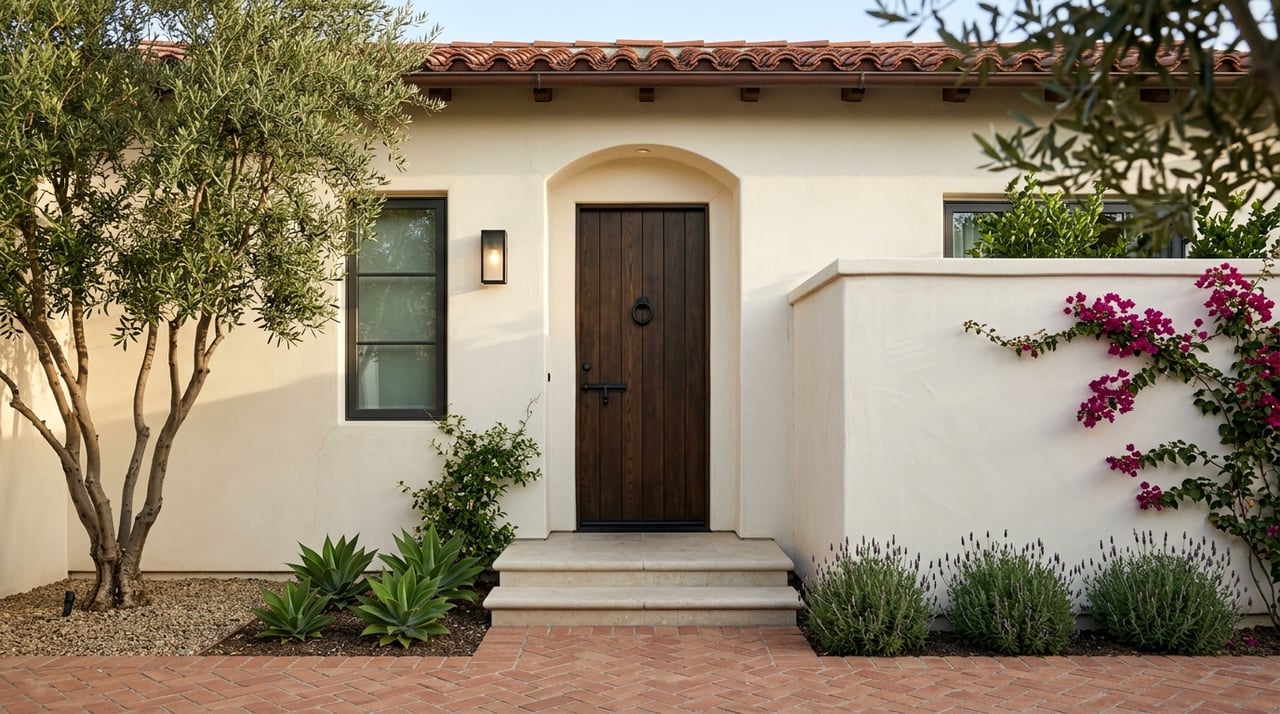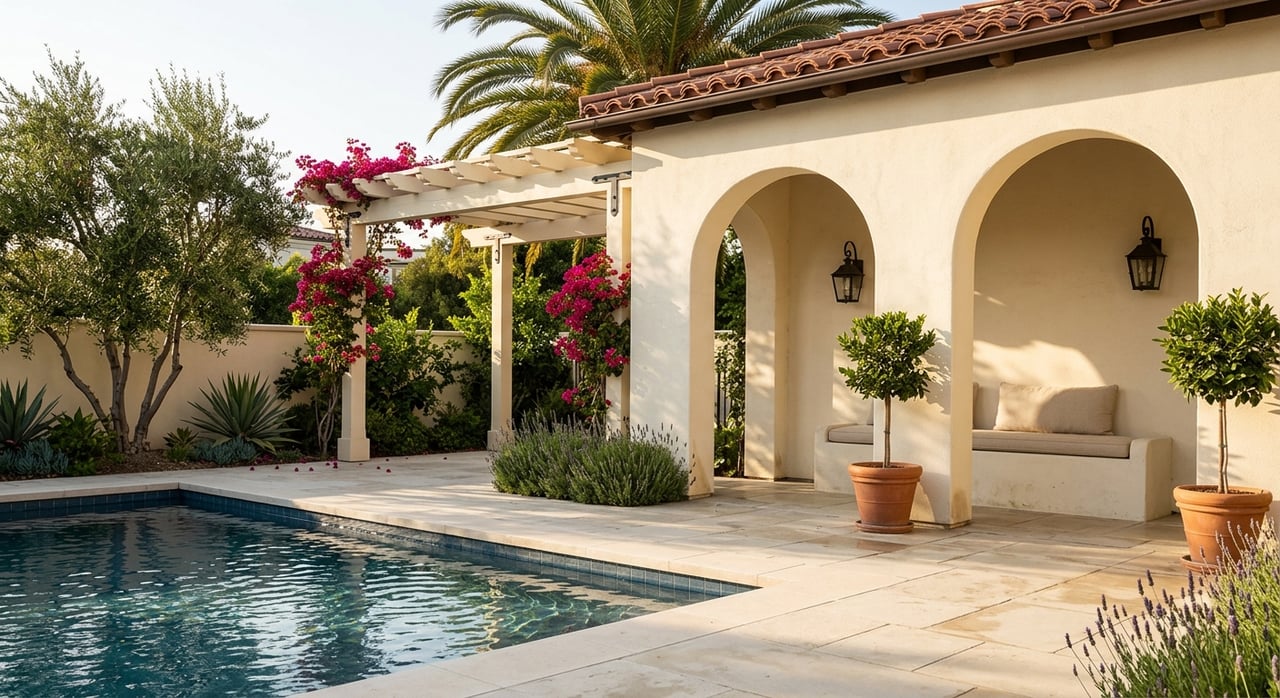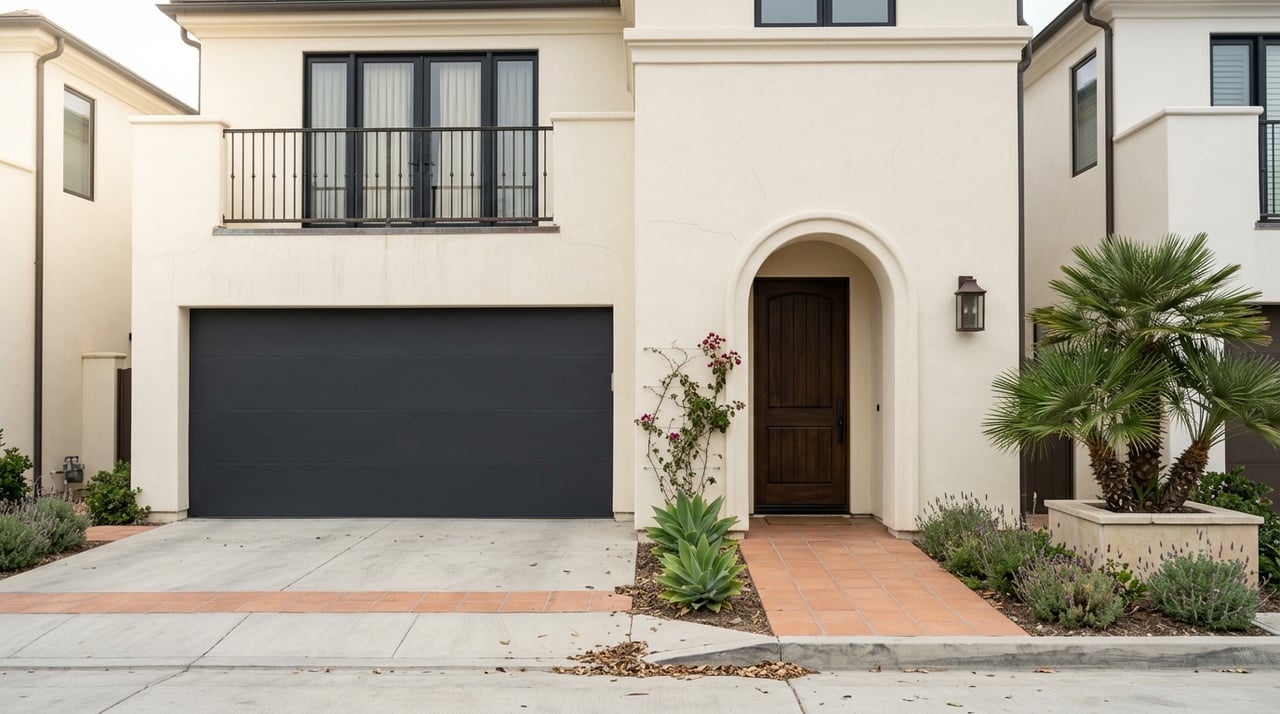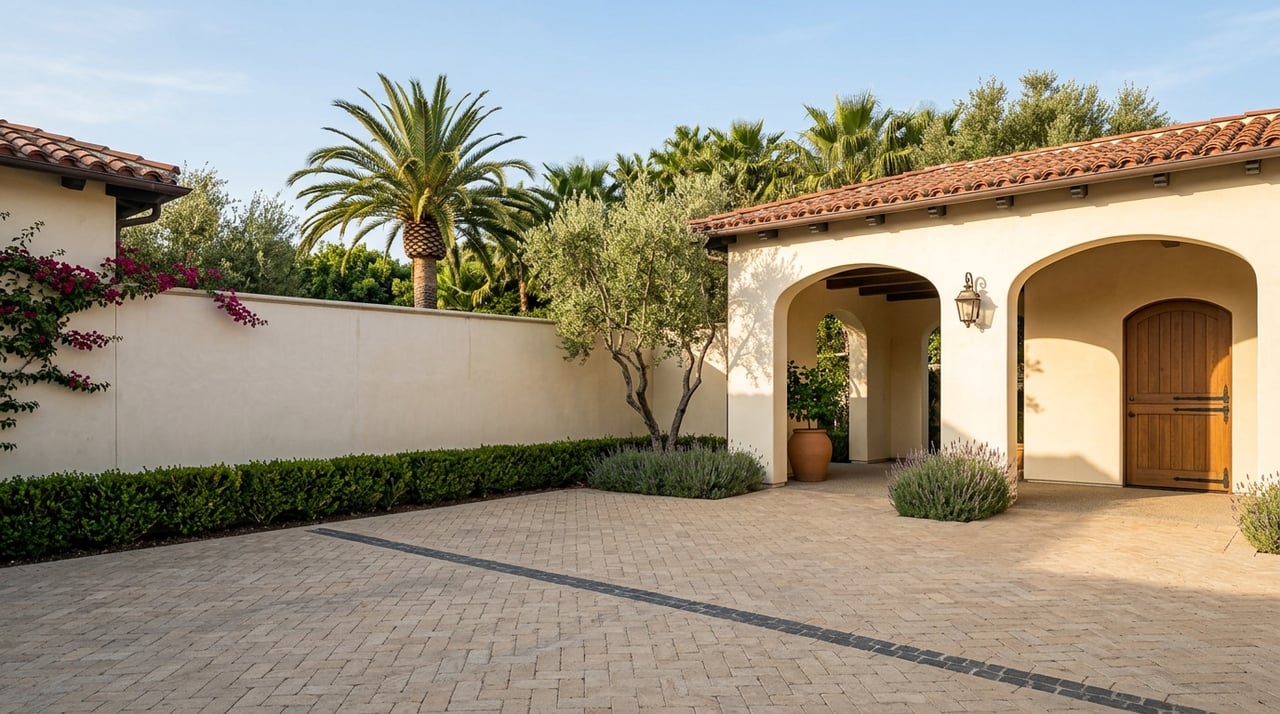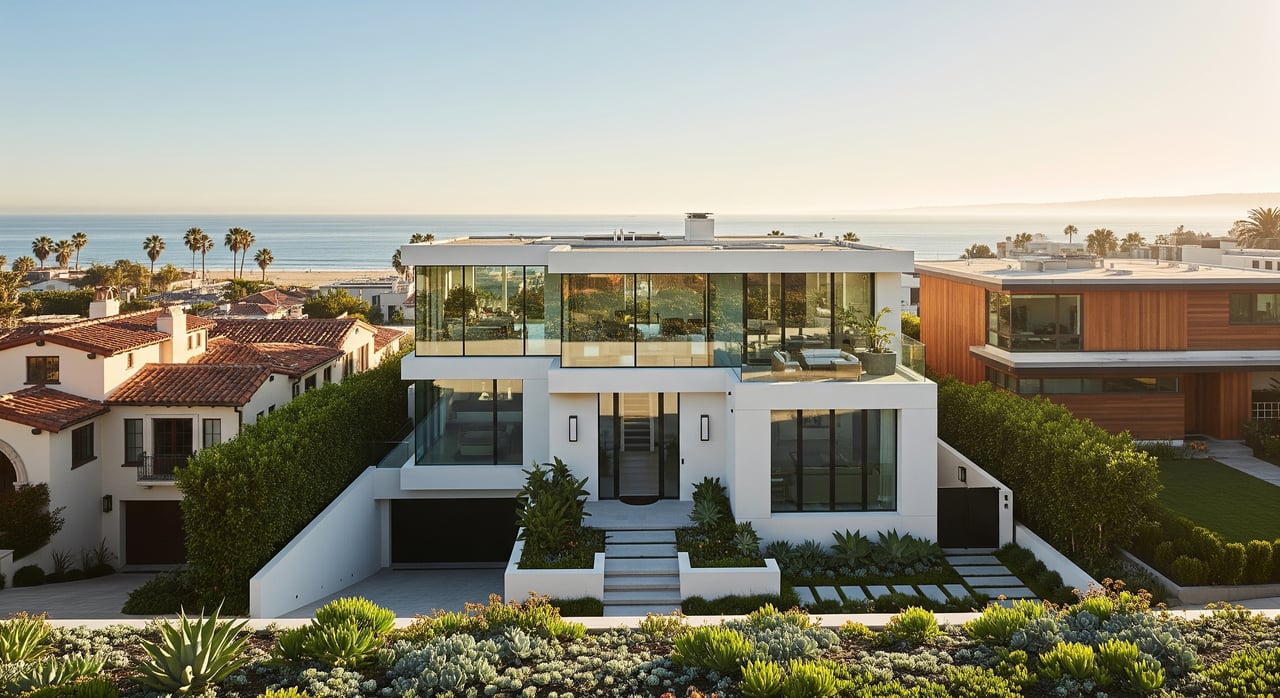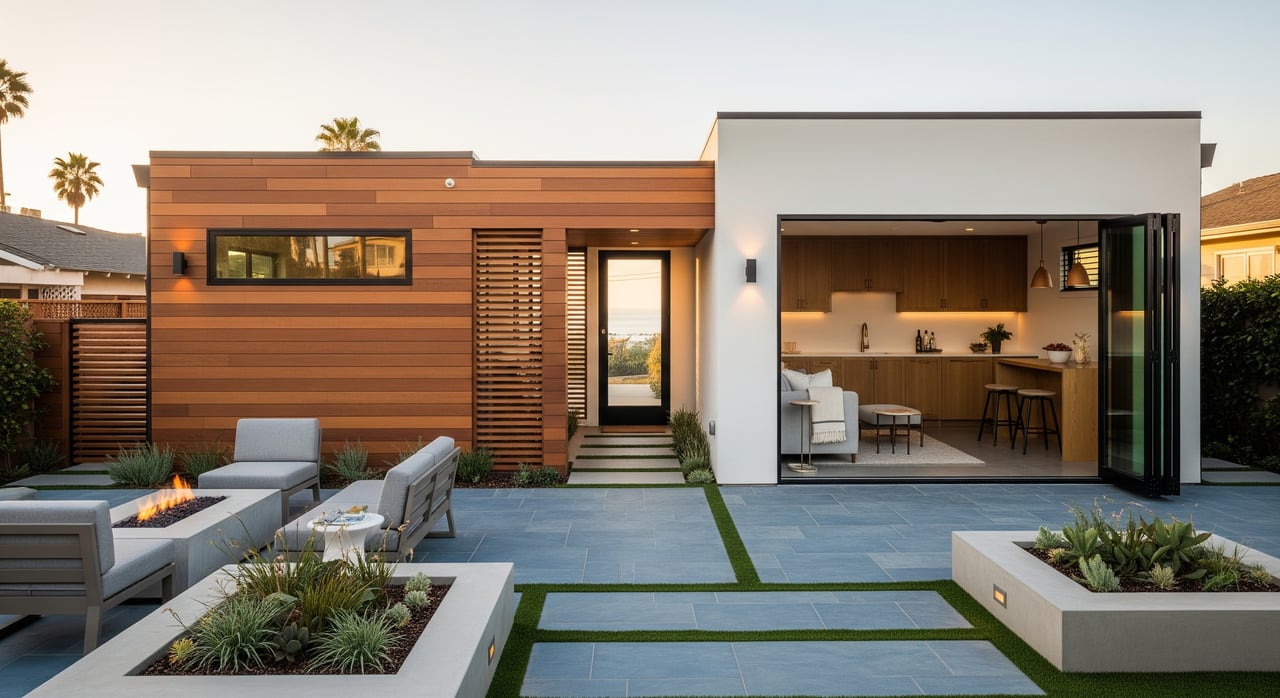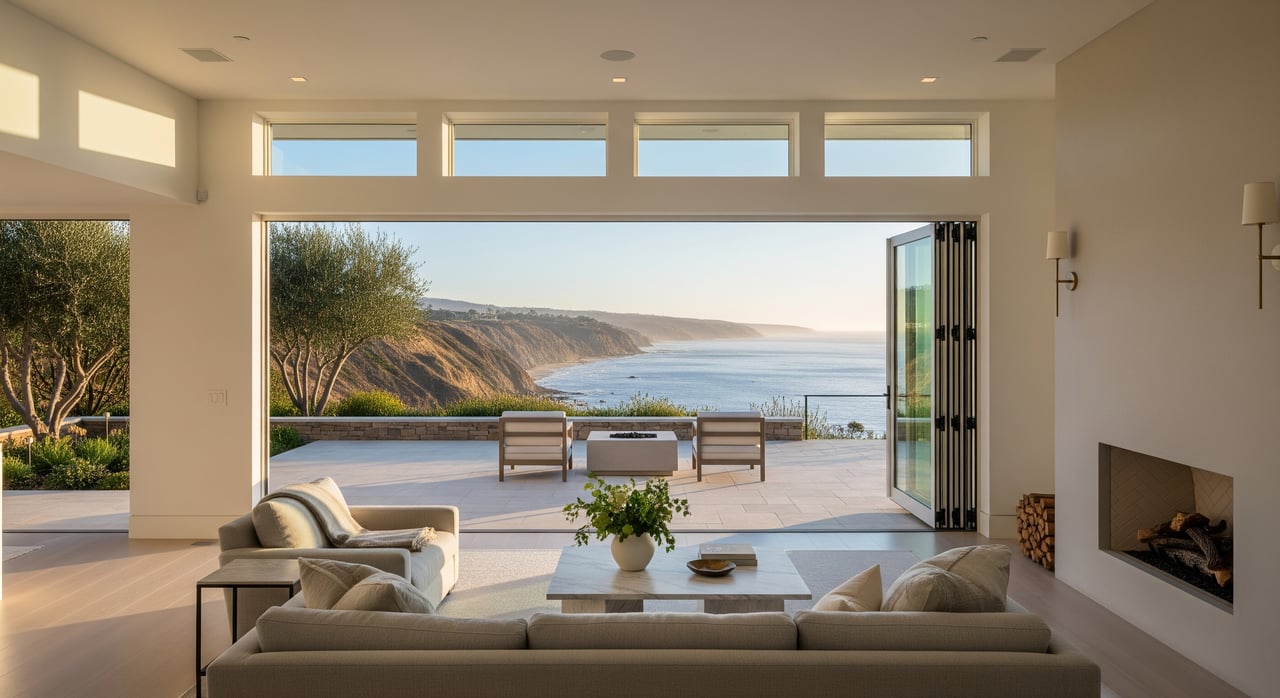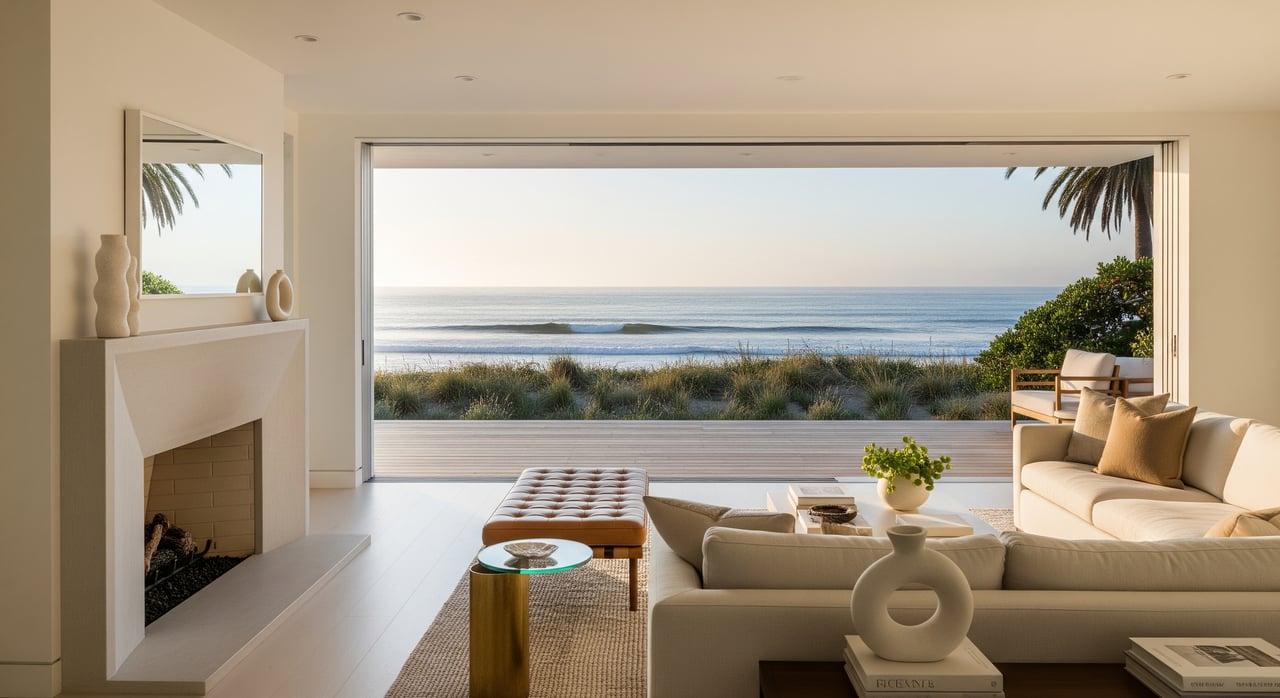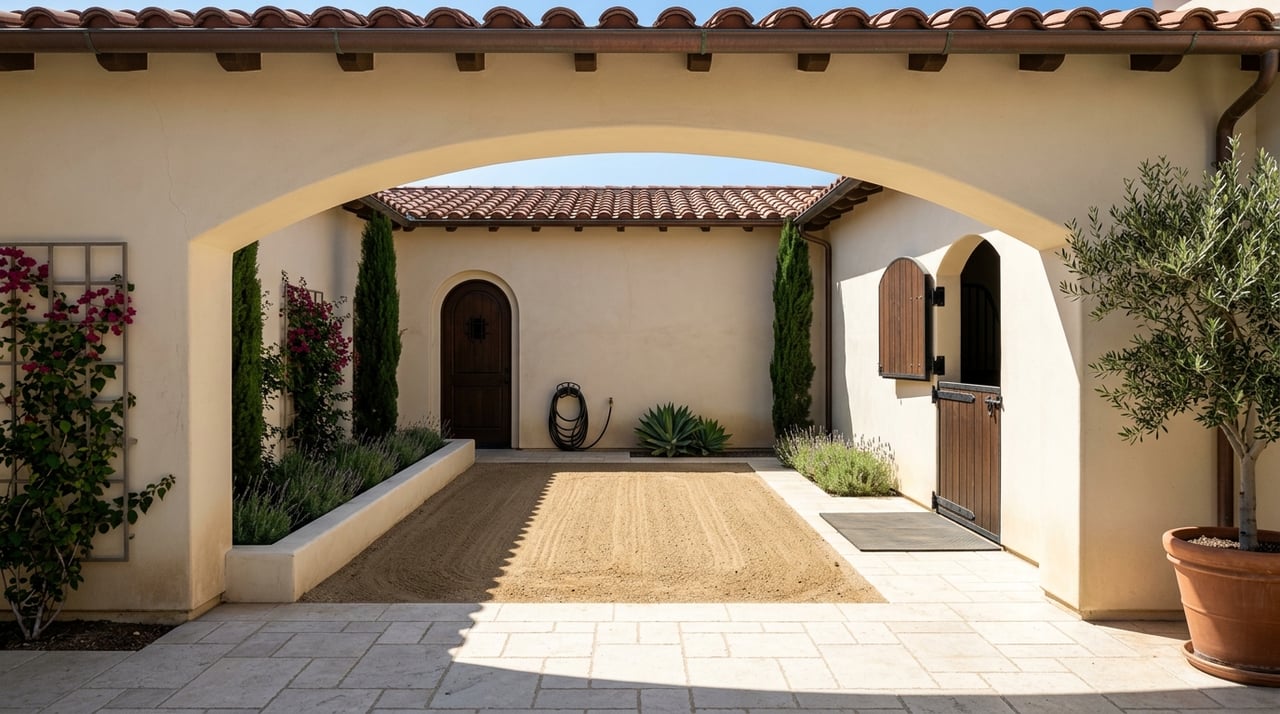
If you are preparing a Rolling Hills estate for a private sale, presentation is only part of the job. In this city, privacy, access, association rules, and permit history all shape how your home should be readied and shown. When you plan carefully, you can protect discretion, avoid preventable issues, and put your property in the strongest position before it reaches qualified buyers. Let’s dive in.
Start With Rolling Hills Rules
Rolling Hills has a very specific selling environment. Community materials note that the city has three gated entrances staffed 24/7, about 690 single-family homes on minimum one-acre lots, and roads located on Association easements. For you as a seller, that means your prep plan should consider not only how the home looks, but also how buyers will enter, park, circulate, and experience the property.
The private-sale format fits this setting well because Rolling Hills already limits how listings are shown and advertised. According to RHCA rules, public open houses are prohibited, no signage is allowed, and advertisements cannot include the street address. Realtors must also be individually listed on the guest list, and clients must be in the realtor’s vehicle.
That structure makes advance coordination essential. If you are planning private showings, photography, or broker previews, it helps to organize the showing plan early so access, guest approvals, and homeowner preferences are settled before marketing begins.
Review The Property File Early
Before spending on cosmetic updates, pull the association file for the property. RHCA maintains files on homes, reviews plans, and issues building permits, so this file can help confirm what is approved on the lot. That is especially important if your estate includes additions, fences, riding areas, tennis courts, or other site improvements.
Early file review can help you avoid marketing features that may need clarification. It can also keep you from investing in updates that conflict with existing approvals or visible property standards. On a large estate, a few early questions can save significant time later.
Drainage deserves attention too. RHCA notes that drains are the homeowner’s responsibility, which makes drainage checks a smart pre-sale task, especially on hillside lots. If water flow, runoff, or blocked drains have been lingering concerns, address them before buyers start asking detailed questions.
Focus First On Arrival And Access
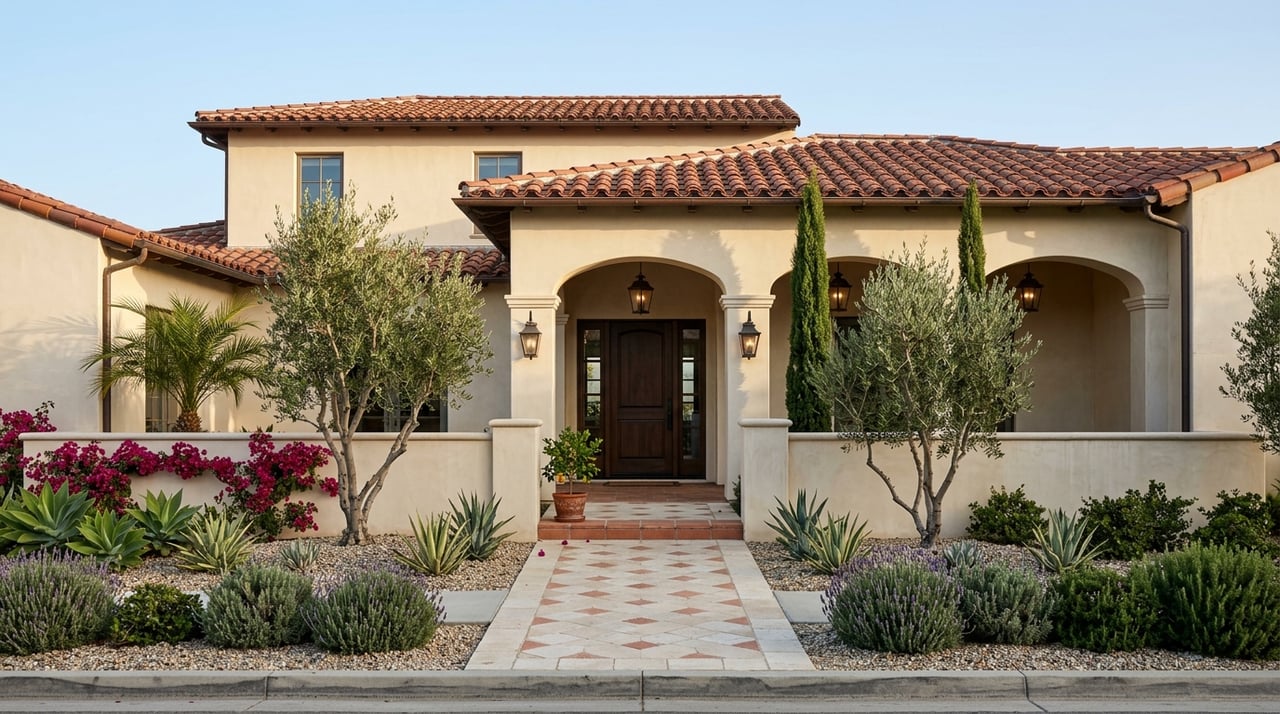
In Rolling Hills, the approach to the home matters as much as the foyer. Because lots are large and roads and easement areas influence the first impression, buyers often notice circulation, sightlines, and usability before they ever step inside.
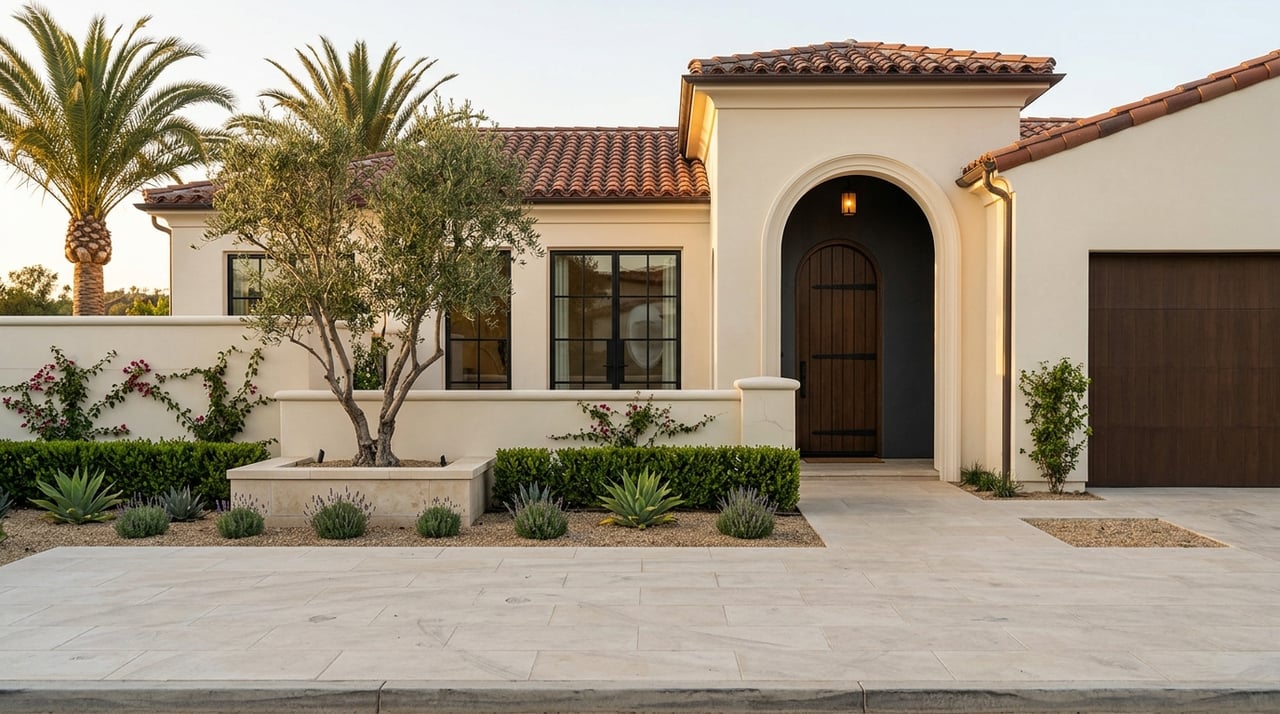
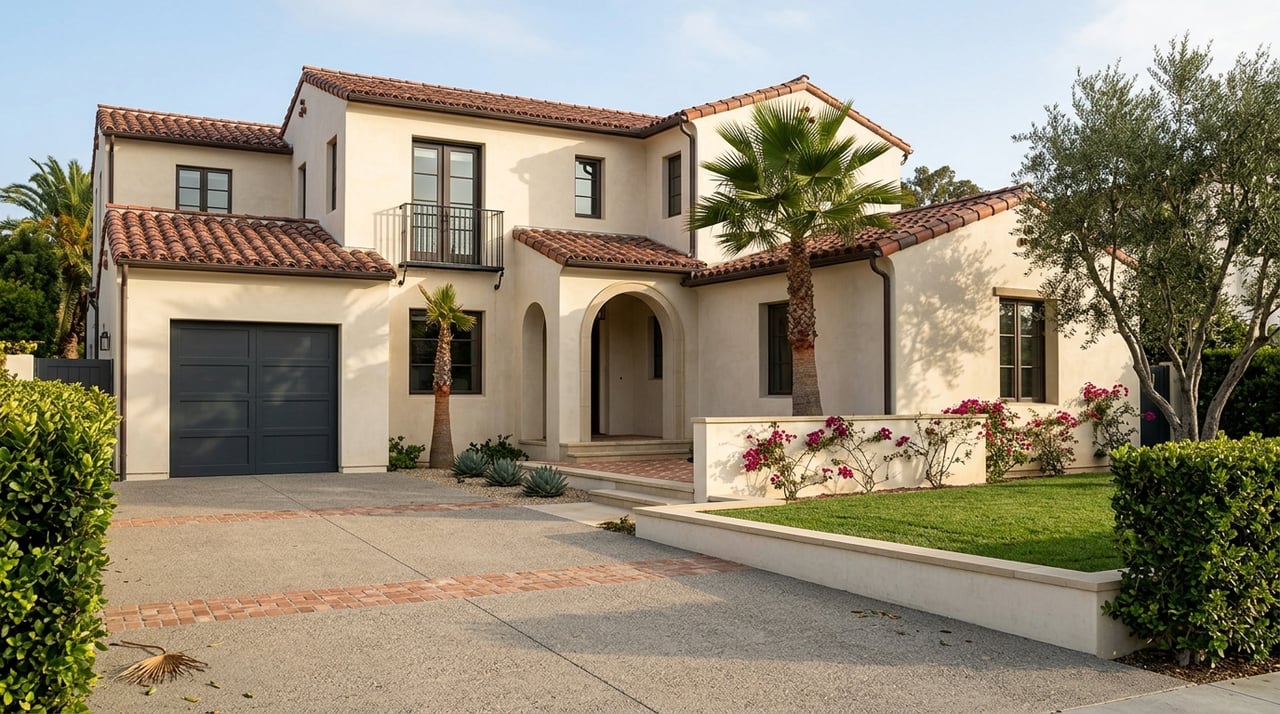
Start by clearing the entry drive, turnarounds, and visible easement edges. A clean, legible arrival sequence helps the property feel spacious and easy to navigate. It also supports private showings, where the experience needs to be smooth from the gate to the front door.
Pay attention to perimeter easements as well. RHCA states that properties are subject to perimeter easements, and those areas must remain free of building, fencing, plantings, or other obstructions. If edges of the lot look overgrown or cluttered, trimming and cleanup can improve presentation while also helping the property read as well maintained.
Prioritize Smart Exterior Improvements
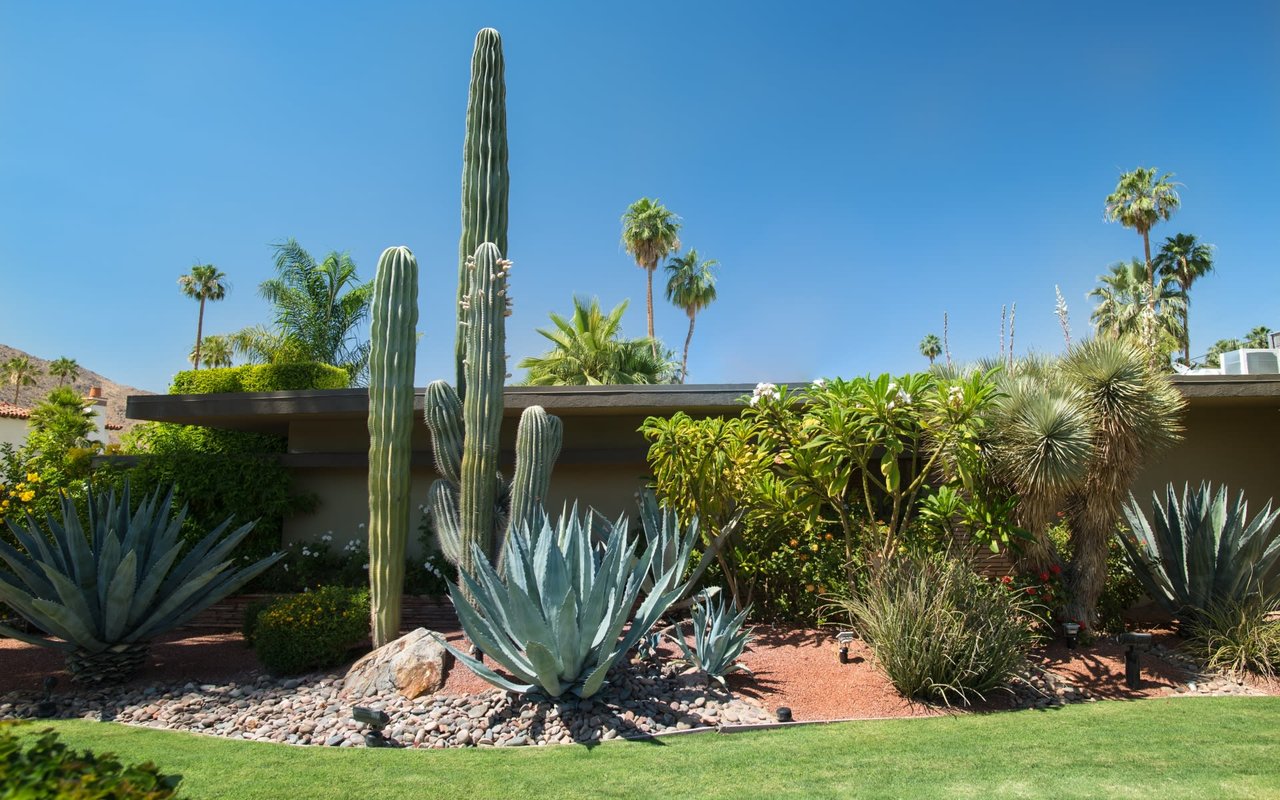
For many Rolling Hills estates, exterior work gives you the strongest return with the least disruption. Local code emphasizes water conservation and says the landscape area of a single-family residential project should use water-wise plants for 75% of plant area, excluding edibles and recycled-water areas. The code also notes that planted materials generally should not be removed unless replaced with like landscaping.
That is why the best prep plan is often selective, not drastic. Instead of stripping mature grounds or launching heavy site work, focus on irrigation repair, pruning, plant replacement where needed, pressure washing, and minor hardscape corrections. These improvements help the property look fresh while staying aligned with local standards.
National staging data cited in the research also supports this approach. A yard upgrade was estimated to recover 100% of its cost, which reinforces the value of targeted curb-appeal work over broad remodeling.
Exterior Details To Check
- Pressure wash hardscape, walls, and exterior surfaces
- Repair irrigation and replace dead or tired plantings selectively
- Prune overgrowth that blocks views, drive paths, or sightlines
- Confirm visible fencing aligns with approvals and condition expectations
- Check gates, latches, and paved areas for smooth operation and clean presentation
Keep Visible Changes Consistent
Rolling Hills has unusually specific visual standards. RHCA says perimeter fencing should be 3-rail white fencing, and new or replacement fencing requires a survey, a fence permit, and Association approval for location. RHCA also states that exteriors of buildings must be pure white with no tint, and exterior lighting is subject to city and architectural review.
For sellers, the takeaway is simple. Even routine-looking maintenance can affect buyer confidence if it appears improvised or out of step with local requirements. Before replacing fencing, repainting visible exterior surfaces, or modifying lighting, confirm what is already approved and what may need review.
This is one reason reversible cosmetic fixes are often the safest first move. Paint touch-ups, hardware updates, pressure washing, and minor repairs can sharpen the property’s appearance without pushing you into unnecessary project scope.
Stage The Rooms Buyers Notice Most
In a private sale, every showing matters. You may have fewer tours than a broad public launch, so each visit should help a buyer quickly understand the home’s scale, comfort, and flow.
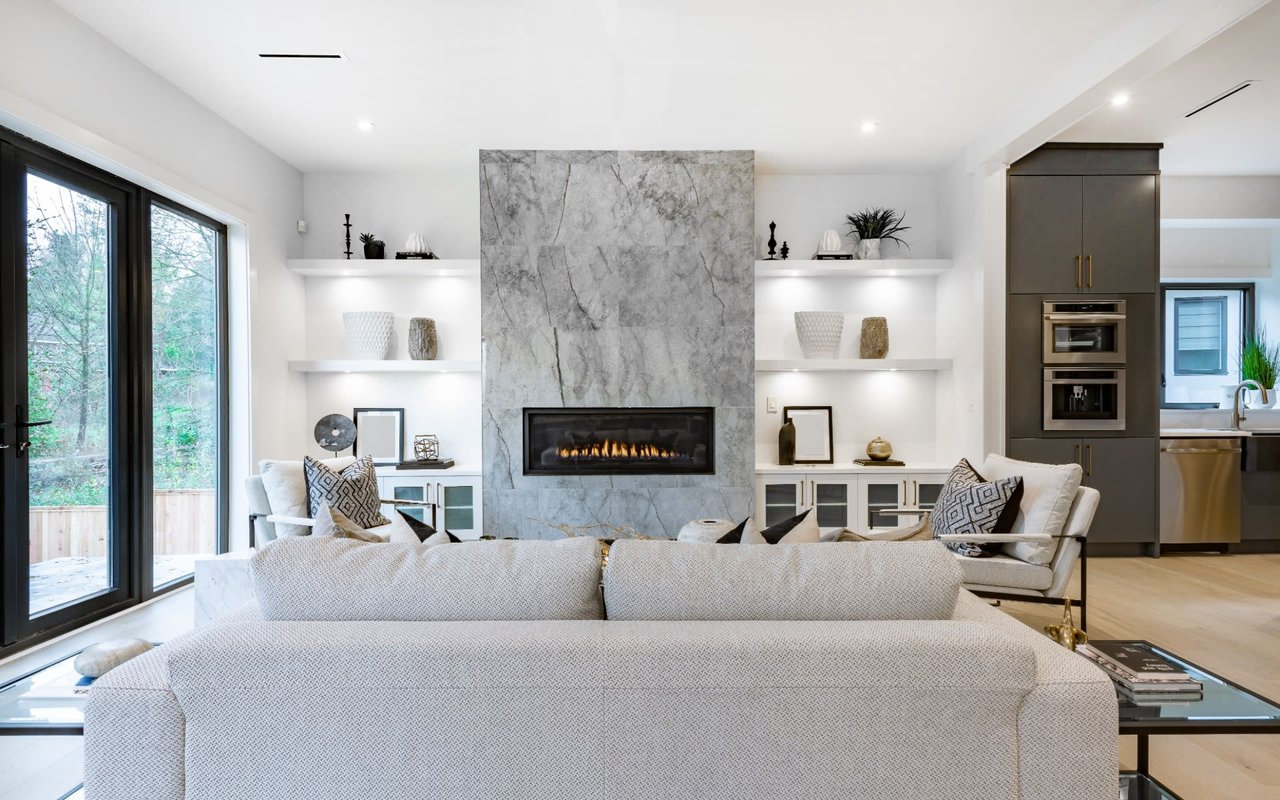
The research supports a focused staging strategy. NAR’s 2025 staging report found that 83% of buyers’ agents said staging helps buyers visualize a home, and 49% of sellers’ agents said staging reduced market time. The most commonly staged spaces were the living room, primary bedroom, dining room, and kitchen, with the living room ranked as the most important room to stage.
If you are deciding where to spend first, concentrate on the spaces that shape emotional response and everyday function:
- Living room
- Primary bedroom
- Kitchen
- Dining room
- Main entry sequence
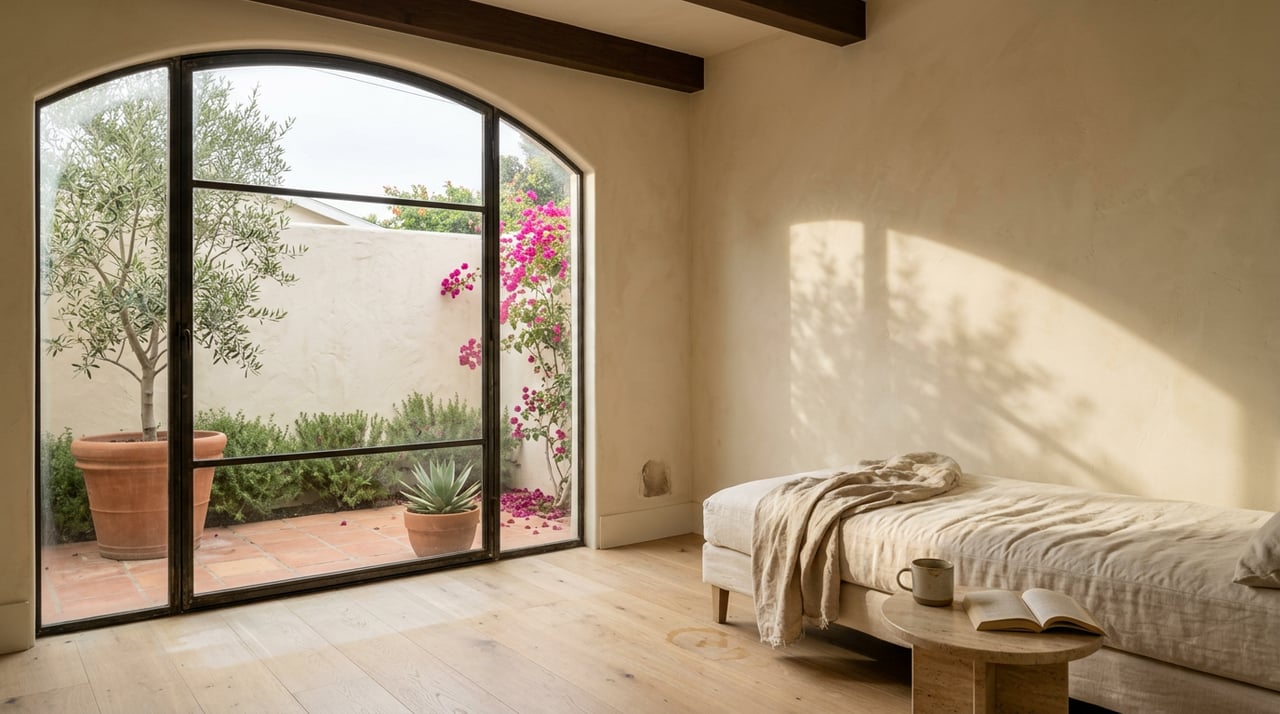
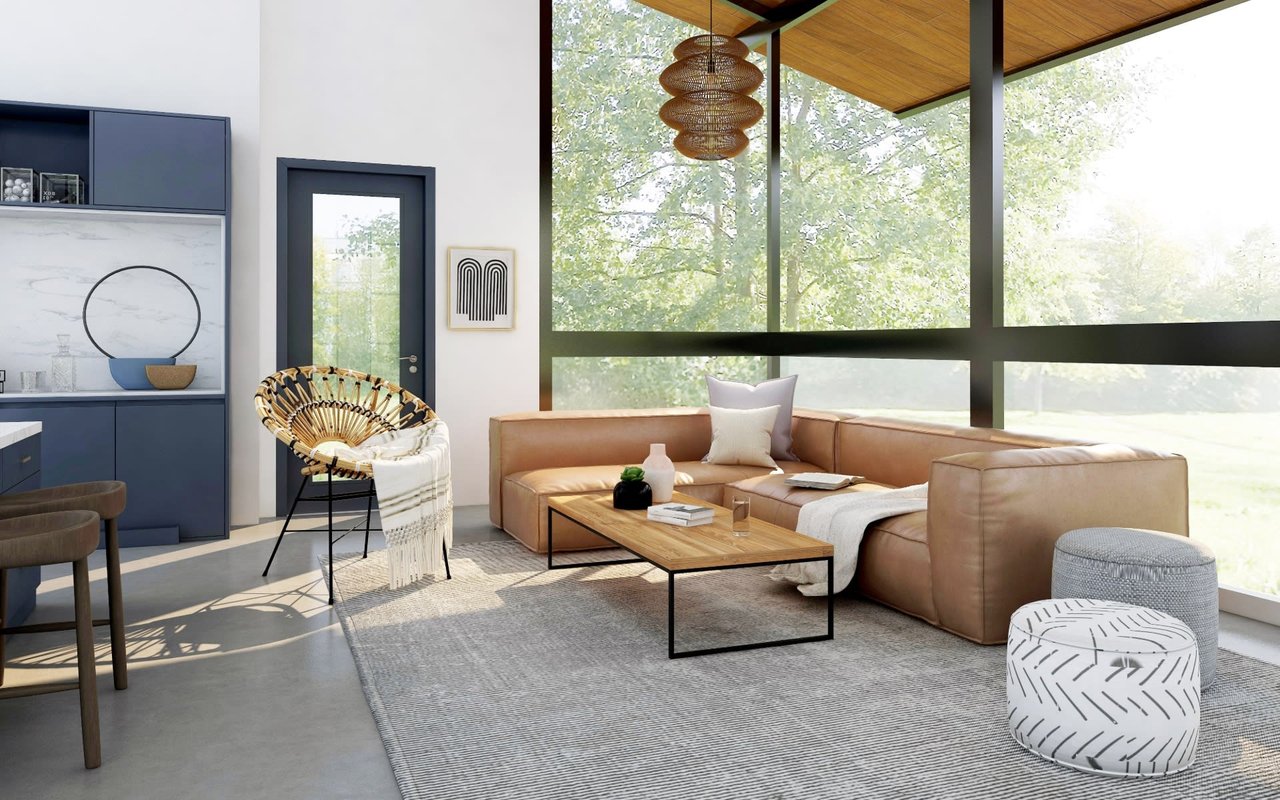
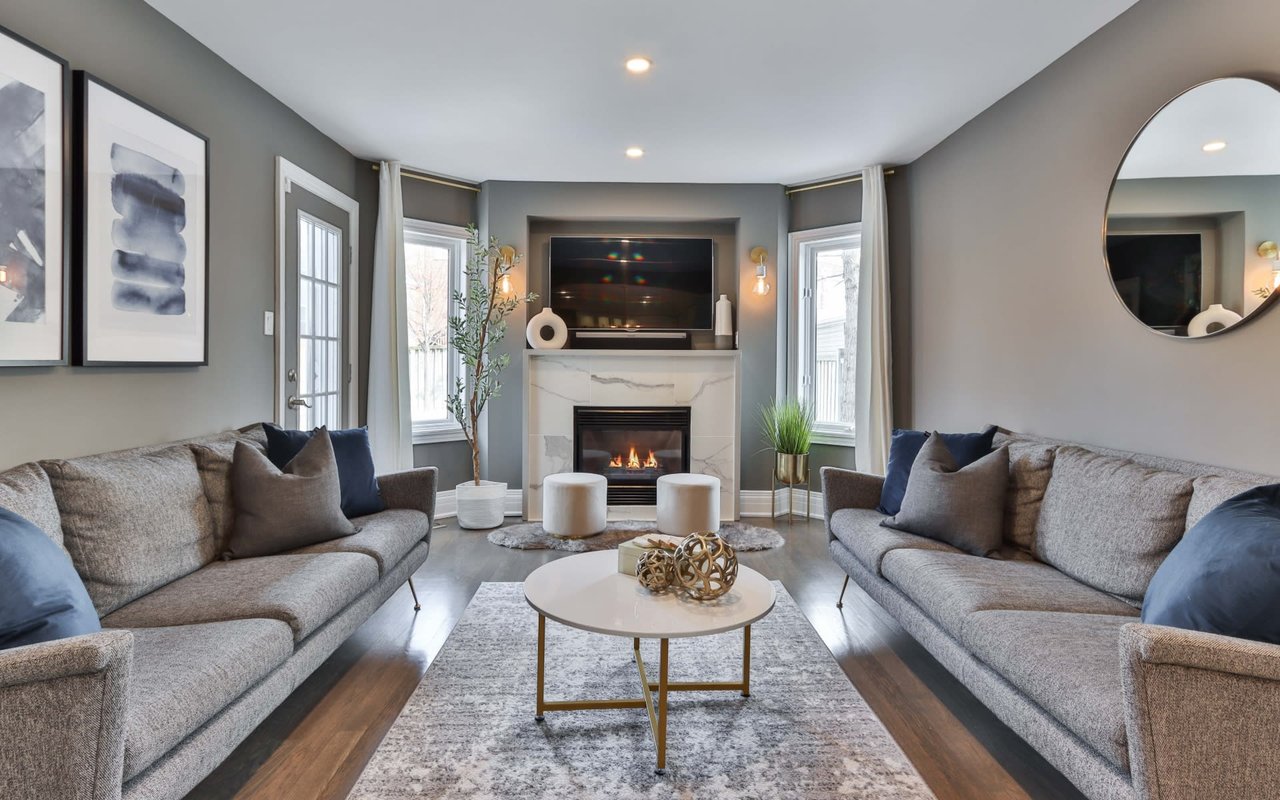
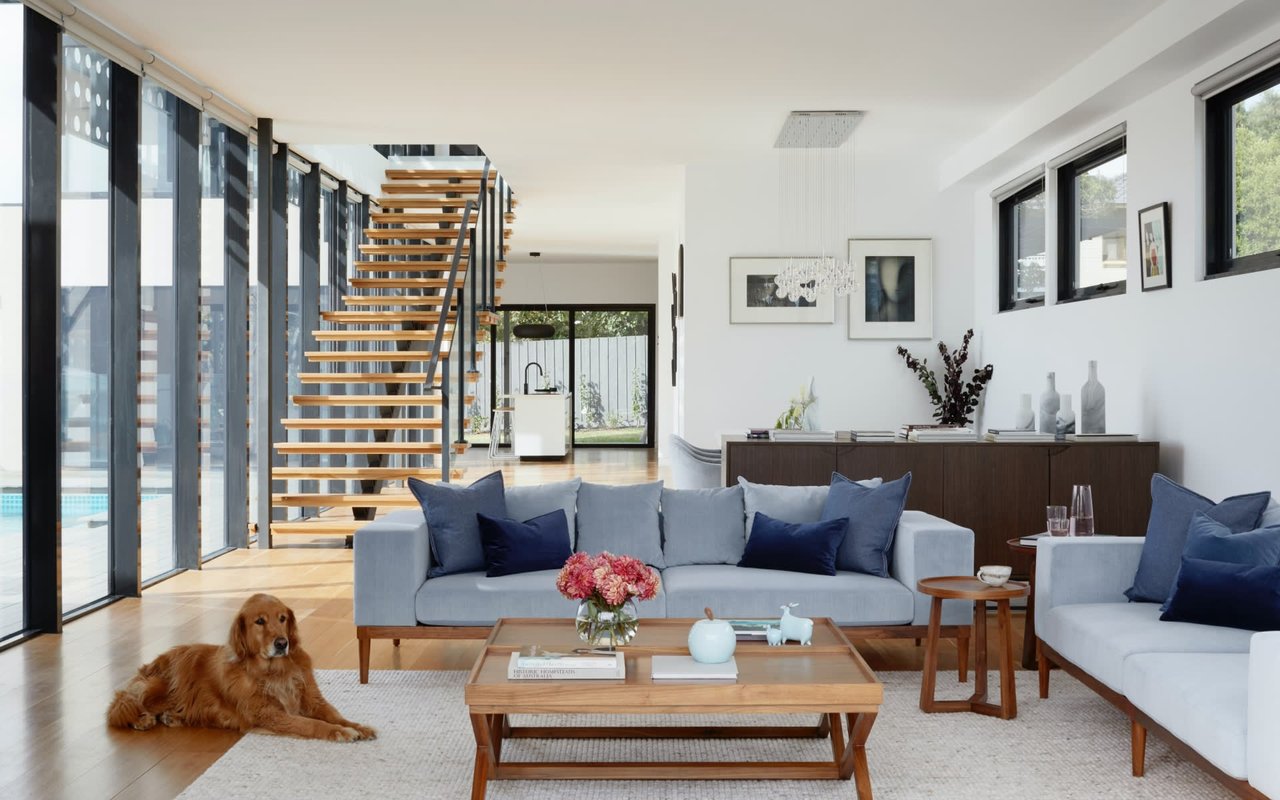
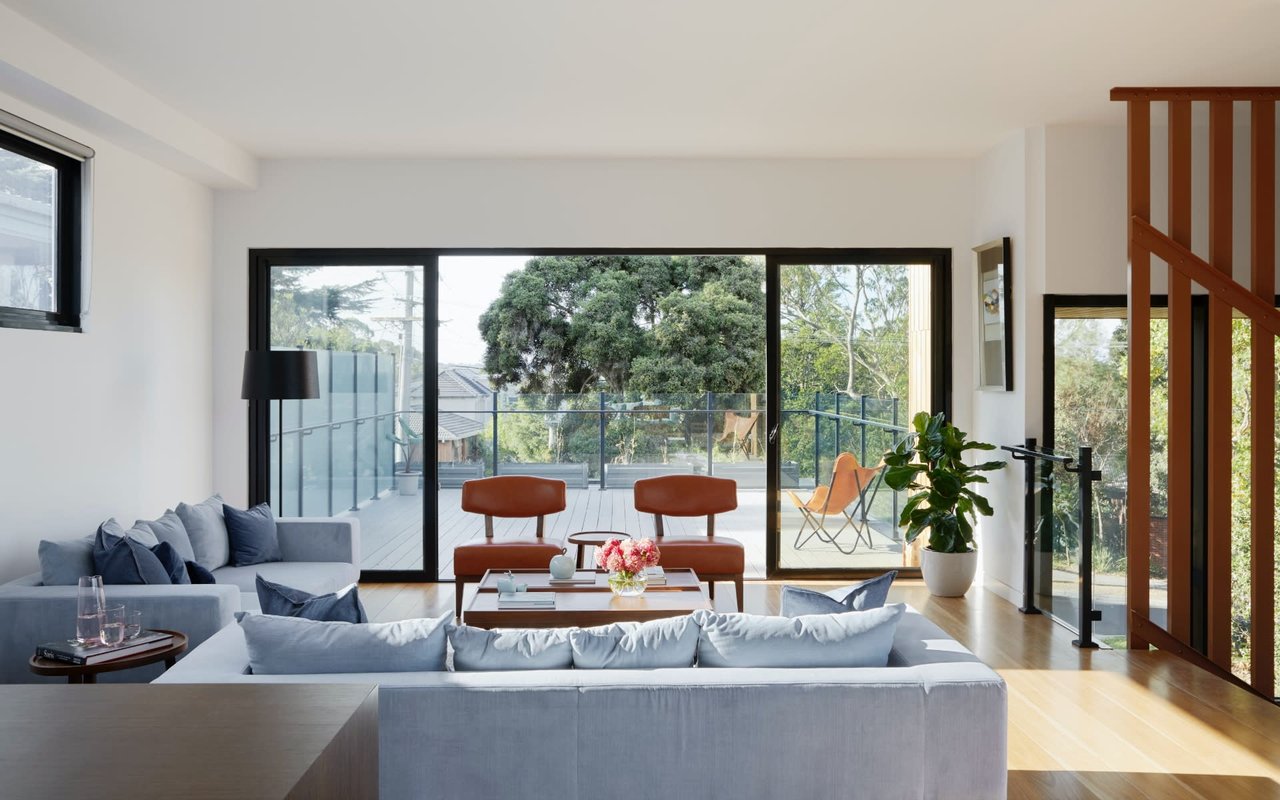
A discreet luxury launch does not require overdecorating. It requires clean lines, edited furnishings, balanced lighting, and a clear sense of how the home lives.
Present Equestrian Features As Assets
In Rolling Hills, equestrian areas are not side notes. Zoning expressly contemplates stables, corrals, turnouts, and riding rings, and in some cases lots must have space developed or set aside for stable and corral use with access thereto, subject to local code. If your estate includes horse-property features, buyers are likely to study them closely.
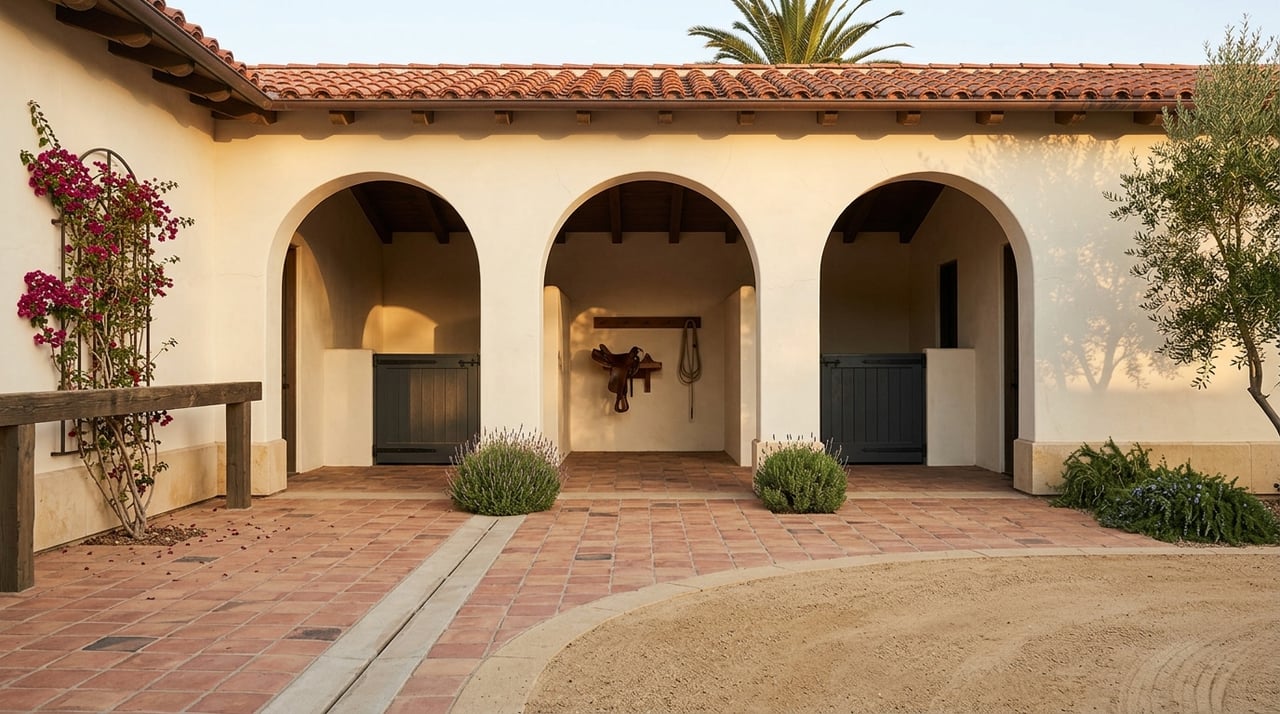
That means these areas should look intentional, maintained, and easy to understand. Clean stalls, organized tack rooms, functional gates, and clear circulation can shape how buyers perceive the quality of the entire estate. By contrast, cluttered turnout areas or unclear boundaries can weaken the premium impression.
RHCA also notes that private riding rings and tennis courts require permits from the City and design approval from the Association. If those features are part of your home’s appeal, confirm the file and approvals before they are highlighted in marketing or buyer conversations.
Equestrian Prep Checklist
- Clean stalls, barns, tack rooms, and feed areas
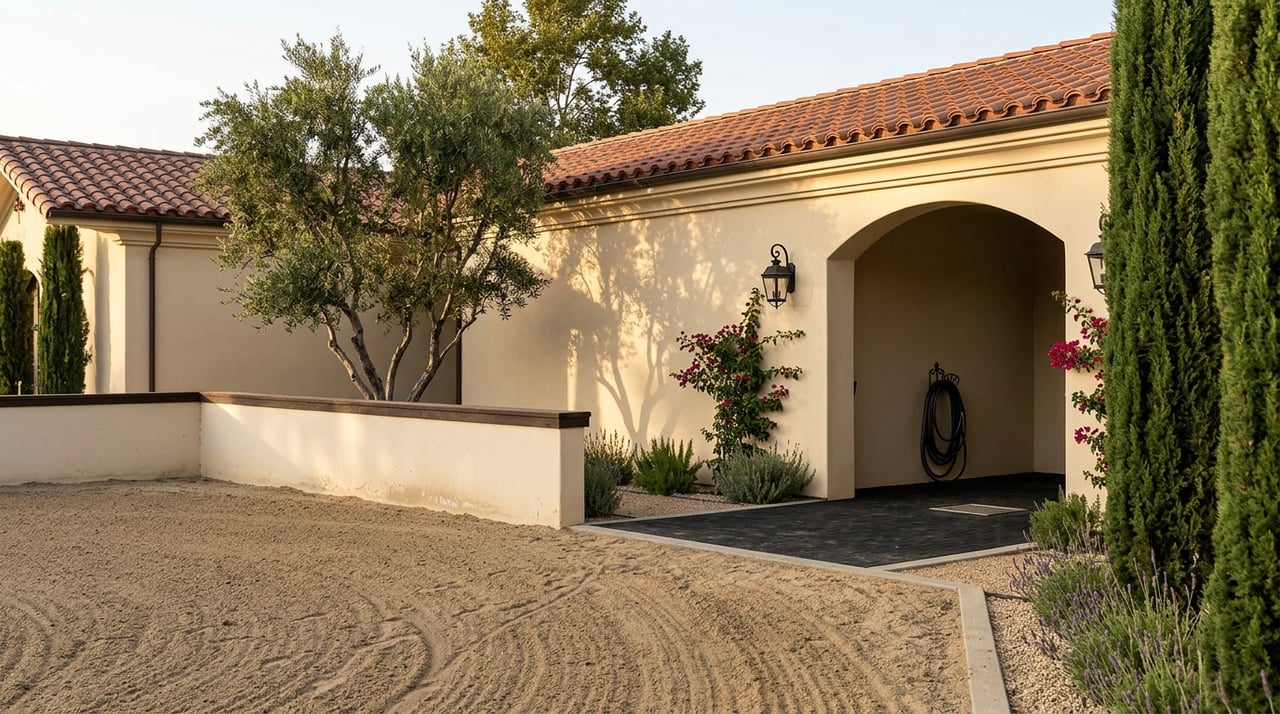
- Remove hoses, tools, and manure from view
- Check fencing, gates, and latches for condition and function
- Verify drainage around barns, corrals, and turnouts
- Make riding rings and turnout areas easy to read visually
Match Marketing To Privacy Rules
A private sale in Rolling Hills should not feel like a scaled-down public launch. It should feel more controlled, more deliberate, and better matched to the setting.
Rolling Hills rules already support that approach. Public open houses are prohibited, advertisements cannot include the street address, and no signage is allowed. That makes appointment-only showings and carefully managed buyer exposure the practical path.
For some sellers, an off-market strategy can be especially useful. Compass describes Private Exclusives as a way to test price and build anticipation before a public launch, and its current three-phase strategy can move from Private Exclusive to Coming Soon and then to the public market. Compass also notes that homes in the first two phases are not distributed on the MLS or public portals until Phase 3, and sellers are under no obligation to accept offers during the first two phases.
This kind of sequence can work well when you want feedback without broad exposure. It also gives you time to complete finishing touches, refine pricing, and decide whether greater visibility makes sense.
Use Pre-Sale Tools Strategically
If your estate would benefit from improvements before launch, timing and cash flow matter. Compass Concierge fronts eligible pre-sale improvement costs with zero due until closing, and Compass says covered services include staging, painting, landscaping, fencing, moving and storage, and other home-improvement items, subject to program terms.
That can be helpful if you want to address presentation issues without paying all costs upfront. In a market like Rolling Hills, where visual readiness and controlled timing are closely linked, having flexibility around prep can make the launch smoother.
Compass also offers bridge-loan support in some cases for timing-sensitive moves. That is not part of the physical prep checklist, but it may be worth discussing if your next purchase and sale timing need to be coordinated carefully.
Do Not Let A Private Sale Delay Disclosures
A private sale changes who sees the property first. It does not reduce your disclosure obligations.
California’s DRE states that the Real Estate Transfer Disclosure Statement is a disclosure of property condition, not a warranty, and the DRE guide also includes the Natural Hazard Disclosure Statement. The same guidance notes that other statutes may require additional disclosures and that agents owe duties to disclose material facts affecting value or desirability that are not known to the parties.
DRE also notes that a city or county may require a local-option transfer disclosure statement. If your prep plan expands beyond cosmetic work into grading or structural construction, additional review may be required under Rolling Hills building rules, and a geological report may be required when a potentially serious geologic condition may exist.
In practical terms, private marketing should move alongside due diligence, not ahead of it. A polished presentation is valuable, but complete and organized documentation builds real confidence.
Build A Simple Prep Sequence
Large estates can feel overwhelming to prepare, especially when privacy matters and the property has multiple structures or site features. A step-by-step plan keeps the process focused.
Here is a practical sequence for a Rolling Hills private sale:
- Review the association file and confirm approvals.
- Check drainage, access, gates, and visible easement areas.
- Complete the highest-impact exterior cleanup and repairs.
- Refresh key interior spaces with targeted staging.
- Organize equestrian and ancillary structures.
- Capture media only after the property is fully show-ready.
- Launch through a controlled private strategy if discretion is the goal.
The right plan should protect privacy while still presenting the estate at its highest level. That balance is where local knowledge matters most.
Preparing a Rolling Hills estate for a private sale takes more than good taste. It takes an understanding of association rules, property presentation, permit history, and the kind of measured marketing that fits this unique community. If you want a clear strategy for timing, prep, and private exposure, the Stearns Lieb Team can help you map out the next steps with care and discretion.
FAQs
Can you hold a public open house for a Rolling Hills home?
- No. RHCA says public open houses are prohibited, though broker open viewings are allowed with homeowner authorization.
Can a Rolling Hills listing include the street address in advertising?
- No. RHCA states that advertisements cannot include the street address.
Does a private sale in Rolling Hills reduce California disclosure requirements?
- No. California seller disclosures still apply, including the Real Estate Transfer Disclosure Statement and Natural Hazard Disclosure Statement.
What should sellers prepare first for a Rolling Hills private sale?
- Start with the entry drive, visible easement edges, drainage, landscape refresh, and the interior rooms buyers notice most, including the living room, primary bedroom, kitchen, and dining room.
Should equestrian areas be cleaned up before marketing a Rolling Hills estate?
- Yes. Stables, corrals, turnouts, and riding areas should look maintained, organized, and easy to understand because buyers may view them as a core part of the property’s value.