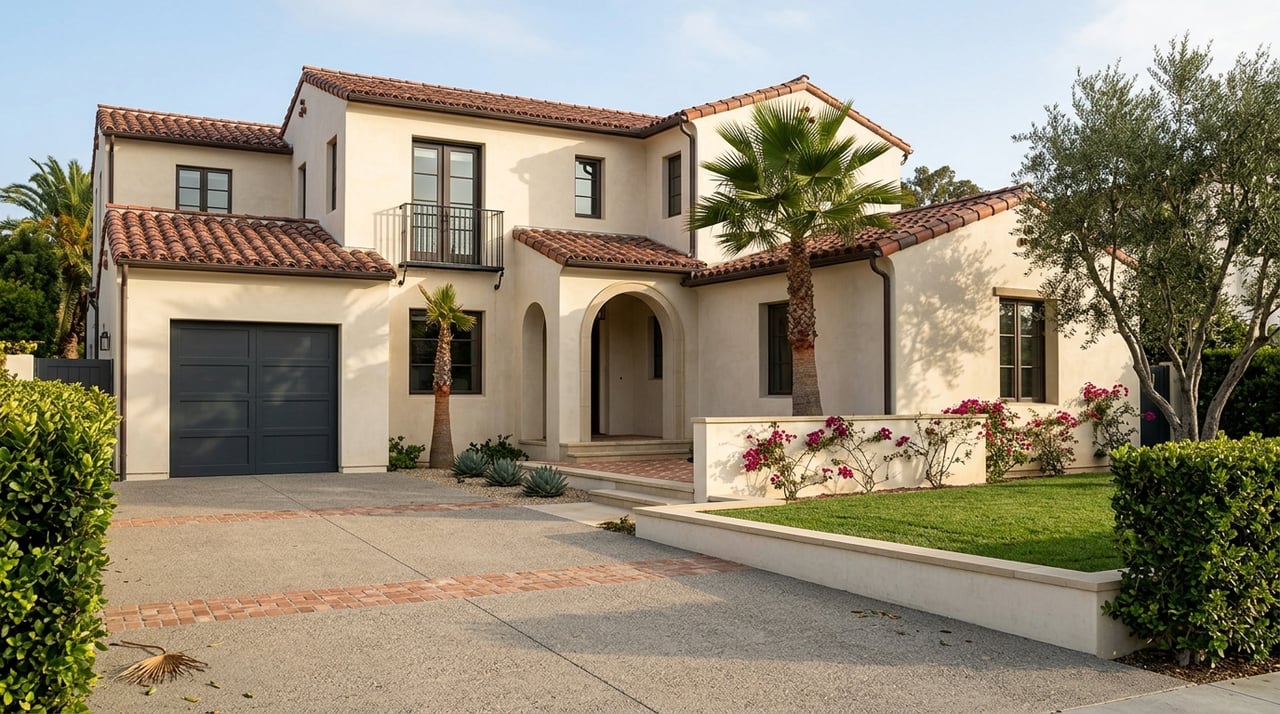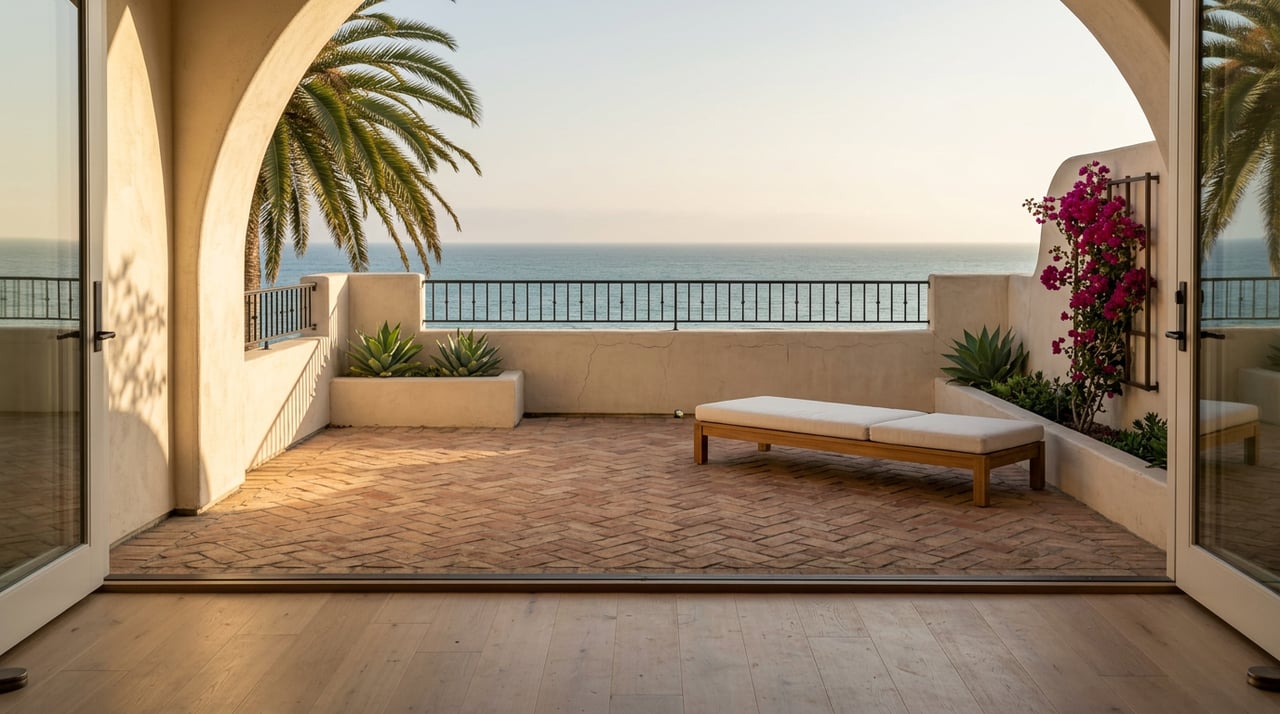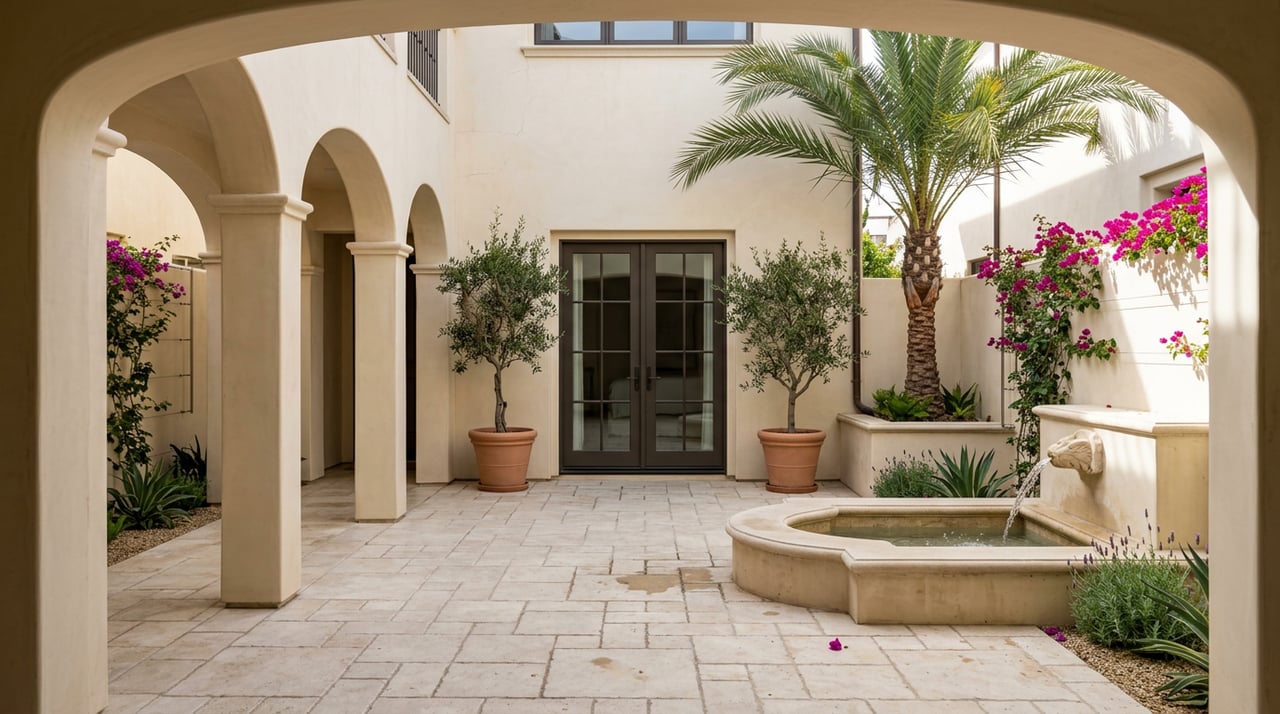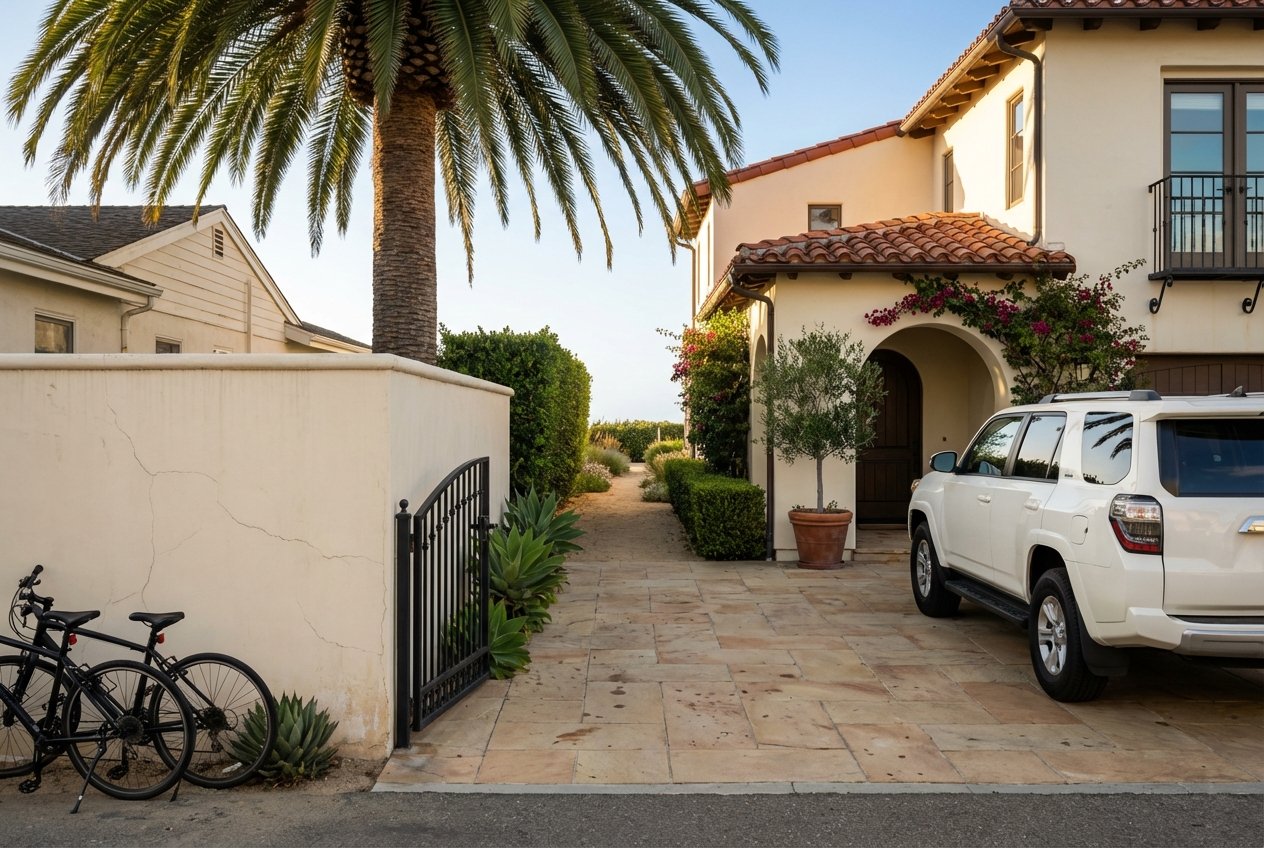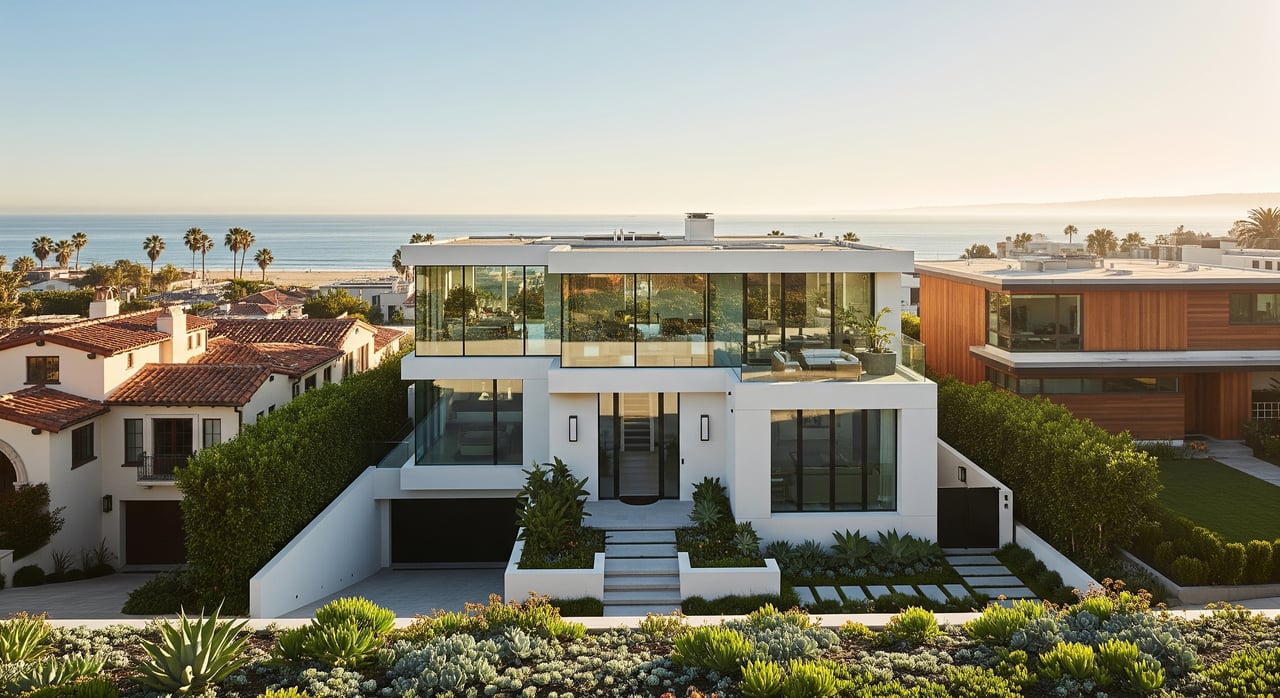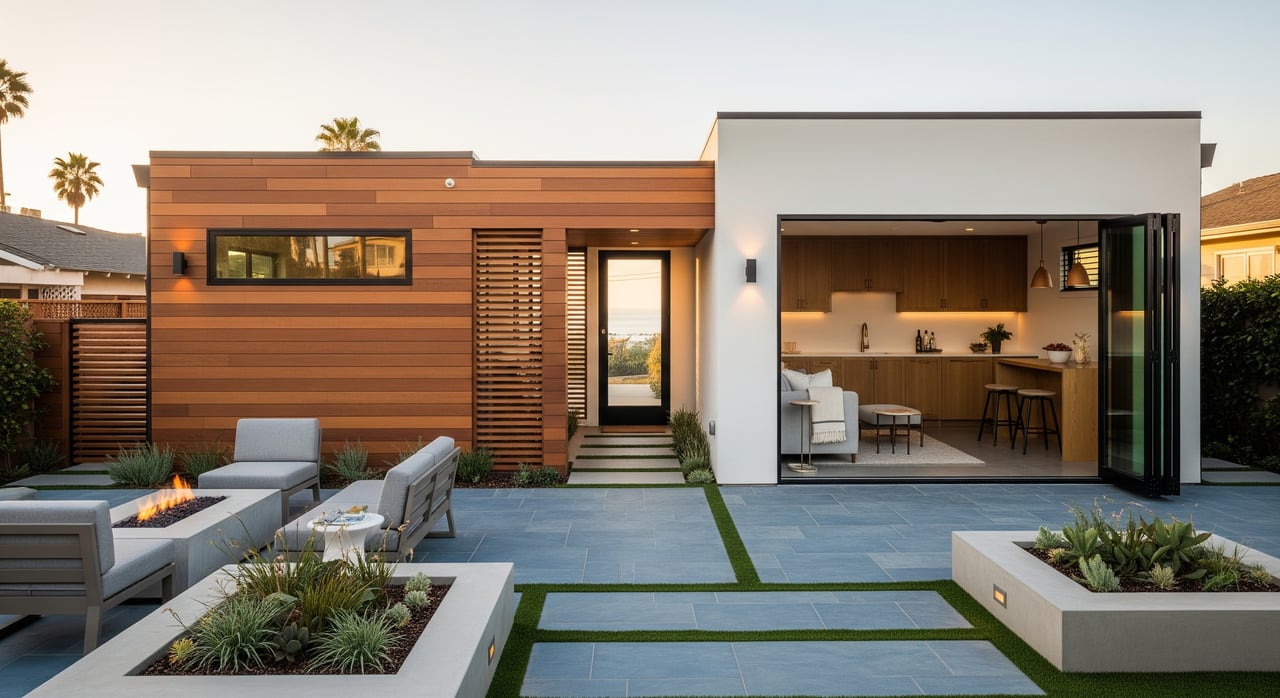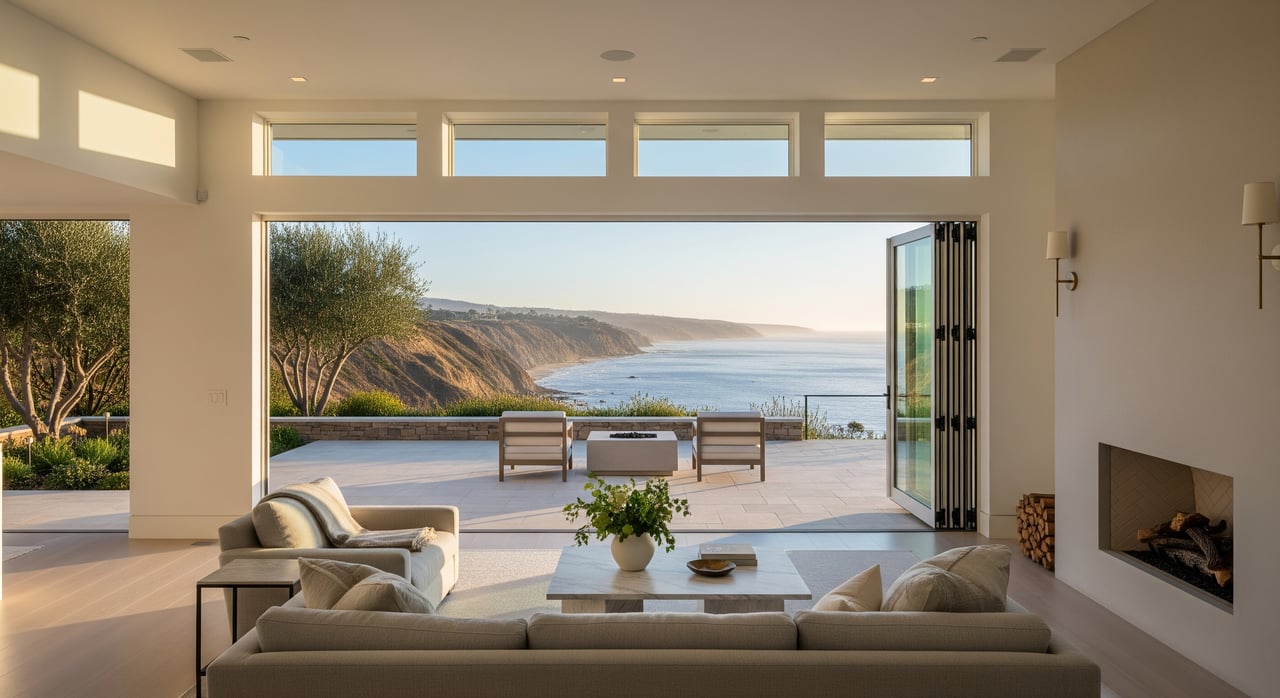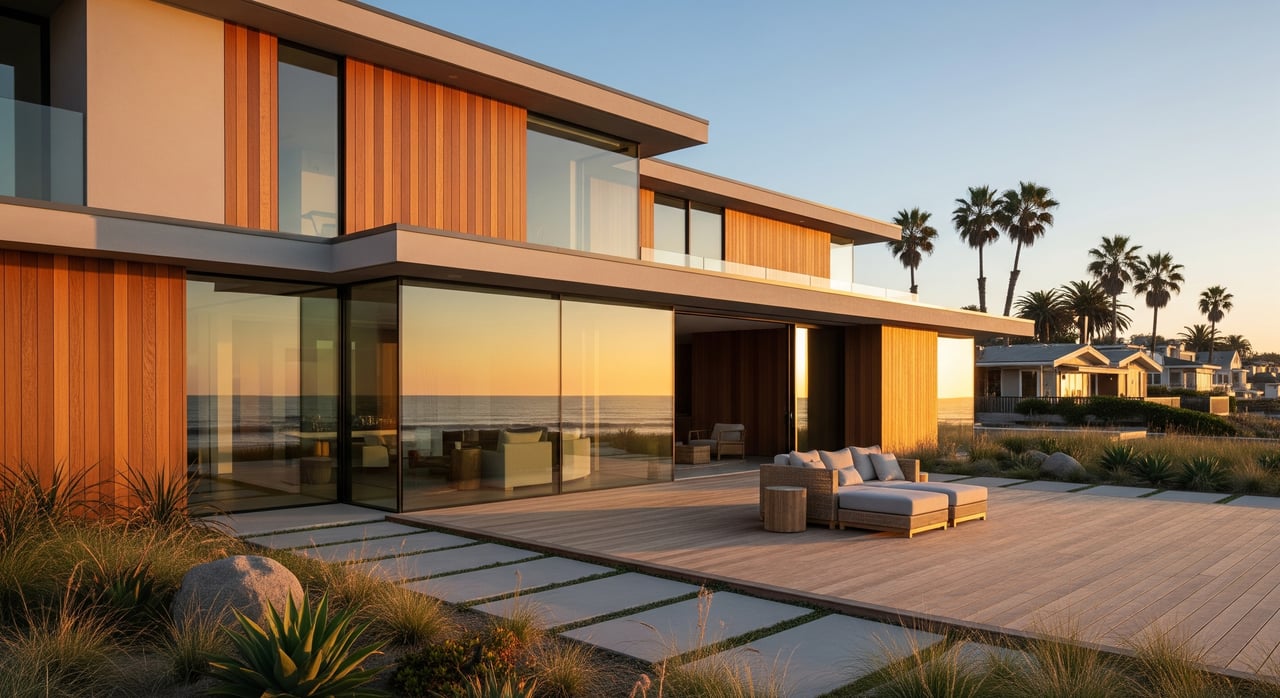
If you are thinking about moving to Manhattan Beach, one question matters more than almost any other: what do you want your everyday life to feel like? In a city that spans just 4 square miles, the shift from one neighborhood to another can change how often you walk, drive, park, surf, shop, or head outdoors. This guide breaks down how Manhattan Beach neighborhoods shape your routine so you can focus on the area that fits your lifestyle best. Let’s dive in.
Why neighborhoods matter in Manhattan Beach
Manhattan Beach may be compact, but the city formally recognizes several distinct neighborhood areas, including the Sand Section, Downtown, North End/El Porto, Tree Section, Hill Section, Manhattan Village and Mall, and Eastside. City planning documents consistently describe these as places with different character, access patterns, and daily-use rhythms.
That matters because your lifestyle here is often less about distance and more about how you move through the day. Some areas are closely tied to the beach, walkstreets, and biking routes. Others lean more on sidewalks, parking access, and larger residential lots.
Beach-first living in Sand Section and Downtown
If you picture Manhattan Beach as a classic coastal town, the Sand Section and Downtown are often what come to mind first. City mobility and planning documents note that these areas are served by walkstreets, The Strand, and Veterans Parkway, and Downtown is described as having very walkable conditions.
That setup creates a daily rhythm centered on being out and about on foot or by bike. You can prioritize beach access, local dining, and neighborhood gathering spots without needing to structure every outing around the car.
What the lifestyle feels like
In these areas, your routine can feel more connected to the shoreline and the public beach network. The city describes walkstreets as pedestrian-only east-west corridors that strengthen the connection to the beach, which helps explain why this part of Manhattan Beach feels especially tied to outdoor living.
Downtown adds another layer. Its design guidelines describe an eclectic small-town character with buildings close to the sidewalk, doors and windows facing the street, and a pedestrian-oriented streetscape. If you want a lively, social environment with mixed-use energy, this pocket stands out.
The main tradeoffs to expect
The biggest tradeoff is space and parking. The city’s housing element sets maximum lot size in the Beach Area and El Porto at 7,000 square feet, which is smaller than inland sections.
Parking also tends to be part of the conversation in beach-adjacent areas. City materials note that parking pads in the Sand, Dune, and Tree sections help meet demand, and the overall design of these neighborhoods favors pedestrian circulation over easy curb parking.
Residential calm in the Tree Section
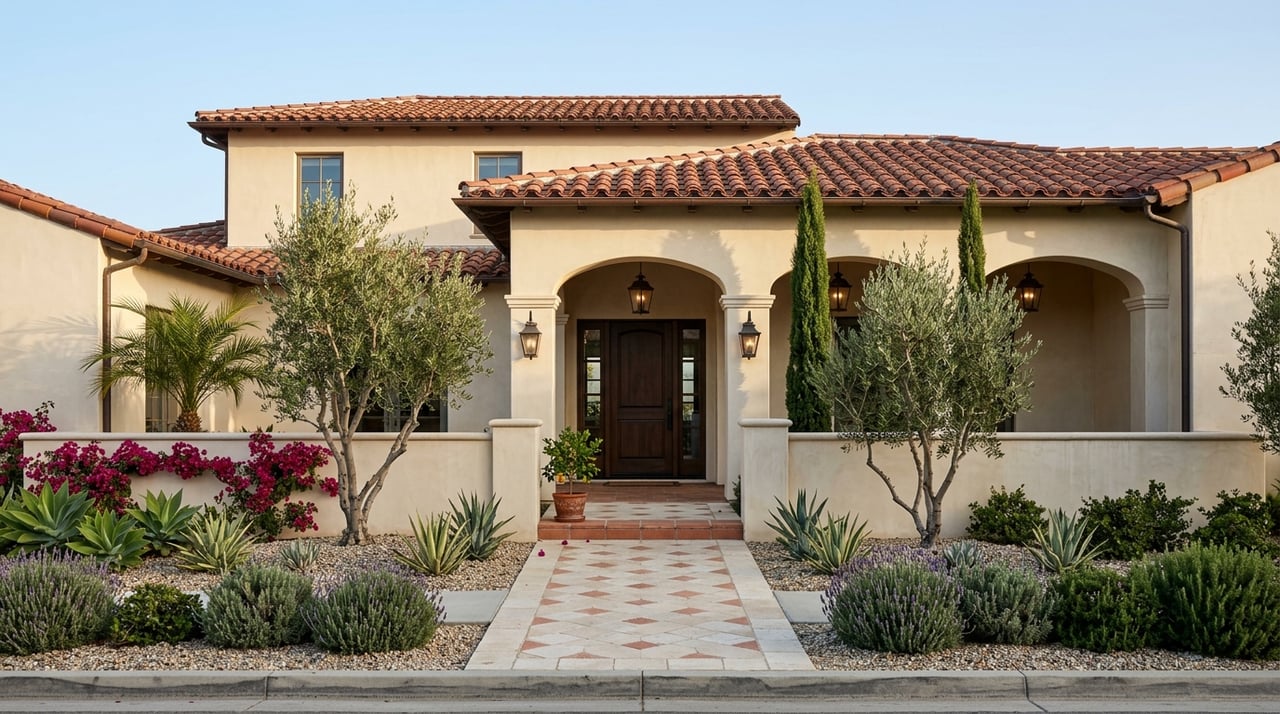
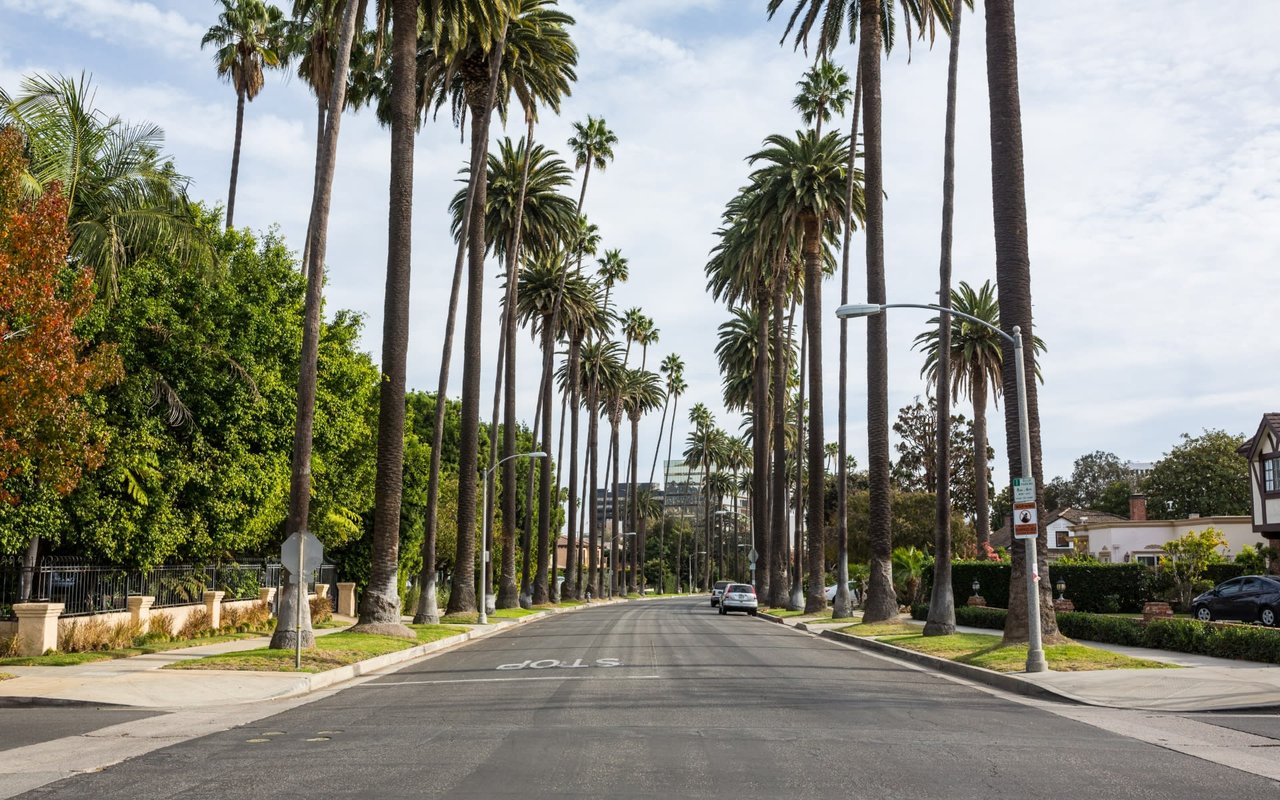
If your ideal lifestyle feels quieter, greener, and more residential, the Tree Section deserves a close look. The city’s General Plan notes that the Tree Section is especially known for its mature trees, and that the tree-lined streets contribute to Manhattan Beach’s scenic beauty and small-town atmosphere.
The same planning documents also describe the area’s more rural character, shaped in part by the lack of standard right-of-way improvements and the presence of individual landscaping. In practical terms, that often translates to a more settled neighborhood feel than the beach core.
What makes the Tree Section distinct
The Tree Section is often a fit for buyers who want a residential setting with visual softness and a little more separation from the busier beach-oriented areas. You may still be in Manhattan Beach, but the daily experience can feel different from living near The Strand or Downtown.
This is also one of the places where parking becomes part of the lifestyle equation. The city created a Tree Section residential permit parking program to reduce non-resident parking, which is a useful clue that curb space and visitor access matter here.
Lot size and feel
The city’s housing element lists a maximum lot size of 10,800 square feet in the Tree Section. That gives it a different physical pattern than the Beach Area, while still keeping the neighborhood connected to Manhattan Beach’s overall low-profile residential character.
For many buyers, that means a balance between coastal access and a more rooted residential atmosphere. If you want mature landscaping and a less beach-centric routine, this area often rises to the top.
More space and privacy in the Hill Section
The Hill Section tends to appeal to buyers who want more room and a less compact streetscape. According to the city’s housing element, the Hill Section has the largest maximum lot size in Manhattan Beach at 15,000 square feet.
That lot-size structure supports a noticeably different living pattern from the beach area. Instead of a beach-walk-first routine, the Hill Section is generally better suited to buyers who value privacy, space, and a more car-oriented day.
How daily life differs here
The city’s mobility plan says the Hill Section is served primarily by a sidewalk system rather than the walkstreet and Strand network closer to the coast. That usually means your routine may rely more on driving and less on walking directly to the beach.
For some buyers, that is a plus. If commute convenience matters, Sepulveda Boulevard serves as the city’s major north-south transportation corridor, and the city notes that I-405 and I-105 are the closest freeways in the broader Manhattan Beach area.
North End and El Porto for surf access and variety
North End and El Porto offer another version of Manhattan Beach living. The city’s General Plan describes this area as having eclectic neighborhood-oriented retail, service, and residential uses, and notes that El Porto developed under County standards before annexation.
That history helps explain why the area can feel less uniform than some other parts of the city. For buyers, it often means a mix of surf access, neighborhood-serving uses, and a more varied built environment.
Who tends to like this area
If your ideal routine includes easy access to the water and a more laid-back coastal rhythm, North End and El Porto may feel like a strong fit. The city also describes North Manhattan Beach as a laid-back surf community about 10 minutes south of LAX.
That can make it especially appealing if you want a beach-oriented lifestyle with practical airport access. It offers a different flavor than Downtown or the quieter inland residential sections.
Manhattan Village and Eastside for convenience
Not every buyer wants to be closest to the sand. For some, daily convenience matters more than walking to the beach, and Manhattan Village and nearby Eastside areas can be worth comparing.
The city’s General Plan says public open space is concentrated in the Sand Section and Manhattan Village area. The city’s parks information also notes that Manhattan Village Park and Field is a 3-acre park with a full-size soccer field, play area, picnic tables, restrooms, and ample parking.
Why this lifestyle works for some buyers
This pocket can appeal if you want an inland routine that feels practical and connected. Access to recreation, shopping, and parking may be a higher priority than being in the middle of the beach-centered pedestrian network.
For buyers balancing work, errands, and recreation, that can be a meaningful advantage. It is simply a different version of Manhattan Beach living, shaped more by convenience and everyday function.
Key questions to ask before you choose
The best Manhattan Beach neighborhood for you usually comes down to how you want to live day to day. A few questions can help narrow the options quickly.
- Do you want to walk to the beach often, or would you rather have a larger lot and more privacy?
- How much parking friction are you comfortable with in your daily routine?
- Do you want a walkable, bike-friendly setup, or do you prefer a car-first location with easier access to major corridors?
- Do mature trees and a residential feel matter more to you than beach energy and mixed-use activity?
- Is park access and practical convenience more important than being near The Strand?
When you answer those questions honestly, neighborhood fit often becomes much clearer.
How to think about Manhattan Beach as a buyer
A helpful way to compare Manhattan Beach neighborhoods is to think of them as different daily-life systems. Sand Section and Downtown support a beach-first, highly walkable routine. Tree Section offers a greener residential setting. Hill Section leans toward larger lots and more privacy. North End/El Porto and Manhattan Village add their own mix of surf access, variety, recreation, and convenience.
That is why a neighborhood decision here can shape far more than your address. It can shape how you spend your mornings, how you handle your commute, how often you walk instead of drive, and how your home supports the life you want to build.
If you are weighing Manhattan Beach against other South Bay options, or trying to narrow down which pocket fits your priorities, working with a team that understands the local nuances can save time and reduce guesswork. The Stearns Lieb Team brings clear guidance, local insight, and a high-touch approach to help you find the right fit with confidence.
FAQs
What is the most walkable part of Manhattan Beach for buyers?
- Downtown and the Sand Section are the most closely tied to walkstreets, The Strand, and the pedestrian beach network, and city planning documents describe Downtown as having very walkable conditions.
Which Manhattan Beach neighborhood offers larger lots?
- The Hill Section has the largest maximum lot size in the city’s residential district structure at 15,000 square feet, according to the city’s housing element.
What is the Tree Section lifestyle like in Manhattan Beach?
- The Tree Section is known for mature trees, a more residential feel, and a character shaped by individual landscaping and a less standard streetscape.
Is Manhattan Beach convenient for commuting and airport access?
- Manhattan Beach is 19 miles southwest of downtown Los Angeles and 3 miles south of LAX, and Beach Cities Transit Line 109 runs daily between key local destinations and the LAX City Bus Center.
What is different about North End and El Porto in Manhattan Beach?
- North End and El Porto offer a surf-oriented coastal lifestyle with eclectic neighborhood-serving uses and a more varied built environment than some other parts of the city.