"They will regulate things that are not visible to any neighbor, anybody, and they can't see," homeowner Jim Sheriff told ABC7 in a March 2026 investigation into the city's Art Jury. "And they say, it doesn't matter whether you can see it or not. If it's on the outside of your house, we're going to control it."
Sheriff was describing the six-member architectural review board that has passed judgment on nearly every exterior change in Palos Verdes Estates since 1923. His complaint made the local news alongside another homeowner in the same segment who was facing more than $10,000 in penalties for exterior work installed on his property before he ever closed on the house, two years earlier.
That second detail is the one worth sitting with if you're preparing to sell here. The fine wasn't for something the current owner did. It arrived with the house, the moment the county recorded the deed.
Two Files, Two Clocks
Every home sale in Palos Verdes Estates carries two separate compliance histories, and they don't run on the same schedule.
The first is the RPR, the report a buyer's agent typically requests early because state and municipal disclosure procedure make it visible by default. The second is the Completion and Compliance Inspection, a private file maintained by the Palos Verdes Homes Association, the entity that administers the Art Jury. Most sellers have never seen this file, because it only gets ordered once a house goes on the market.
The gap between the two isn't a technicality. PVHA's own guidance to prospective buyers states that absent a Completion and Compliance Inspection, a new owner assumes all non-compliant conditions on the property, along with the obligation to correct them. Re-roofing without sign-off, an unapproved skylight, a repaint in a color outside the approved palette, a patio poured without a hardscape application: none of it expires. It sits in the property's private compliance history until an inspection surfaces it, typically during someone else's escrow.
That's the mechanism behind the fine Sheriff described. The violation predated the current owner. The bill didn't.
Why the Restrictions Travel With the House
PVHA's authority doesn't come from an annual renewal or a homeowner vote. It comes from deed restrictions recorded against the land on July 15, 1923, under the original Palos Verdes Trust Indenture. Because the restrictions run with the land rather than with any individual owner, they transfer automatically to every buyer, without a signature and without a grace period.
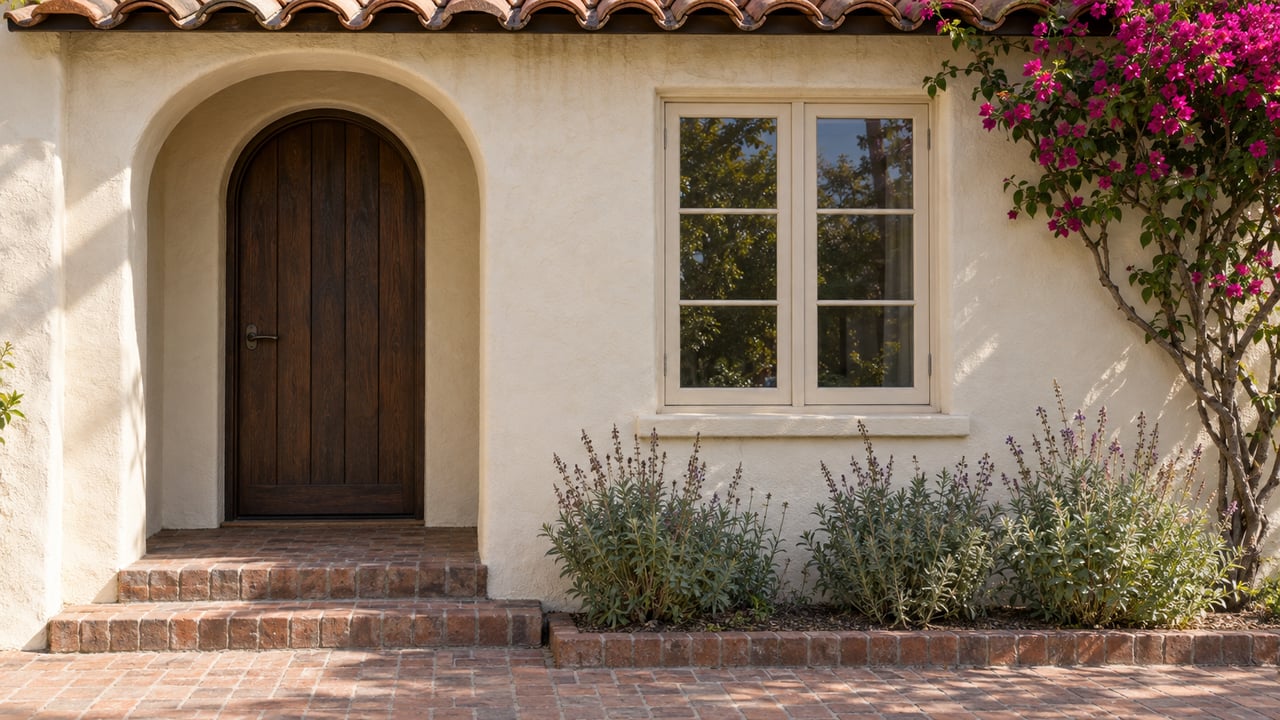
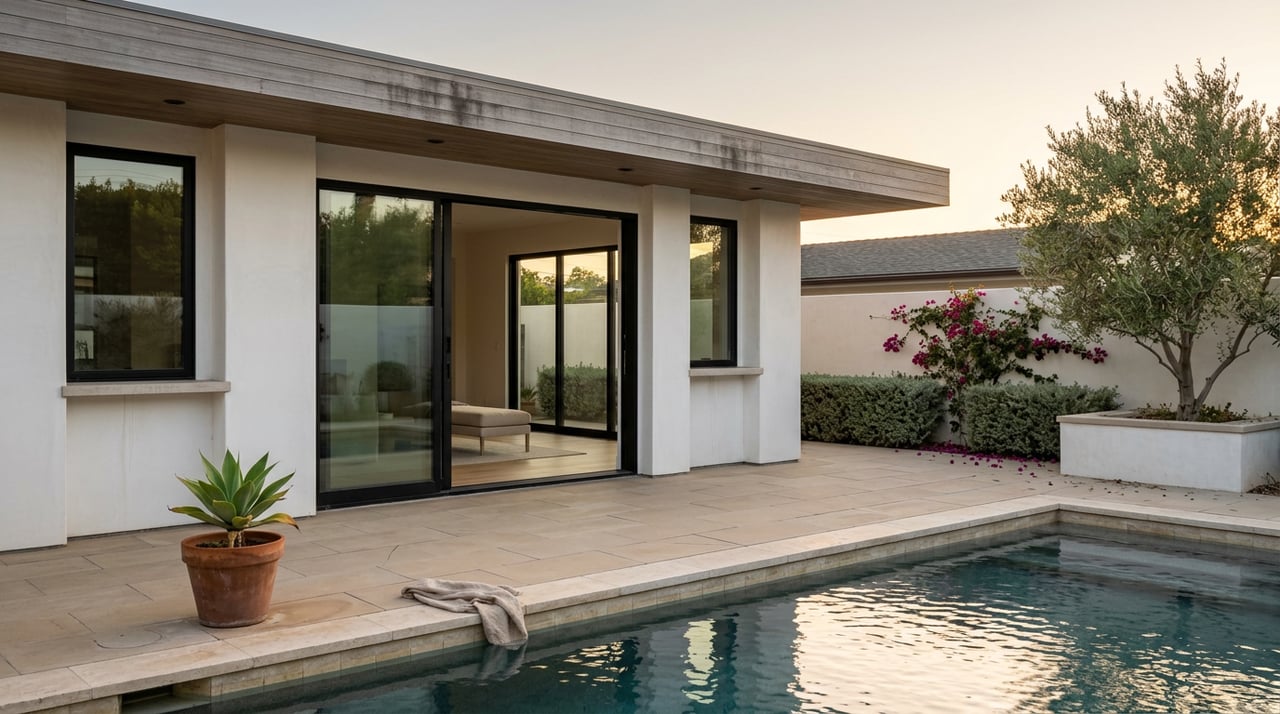
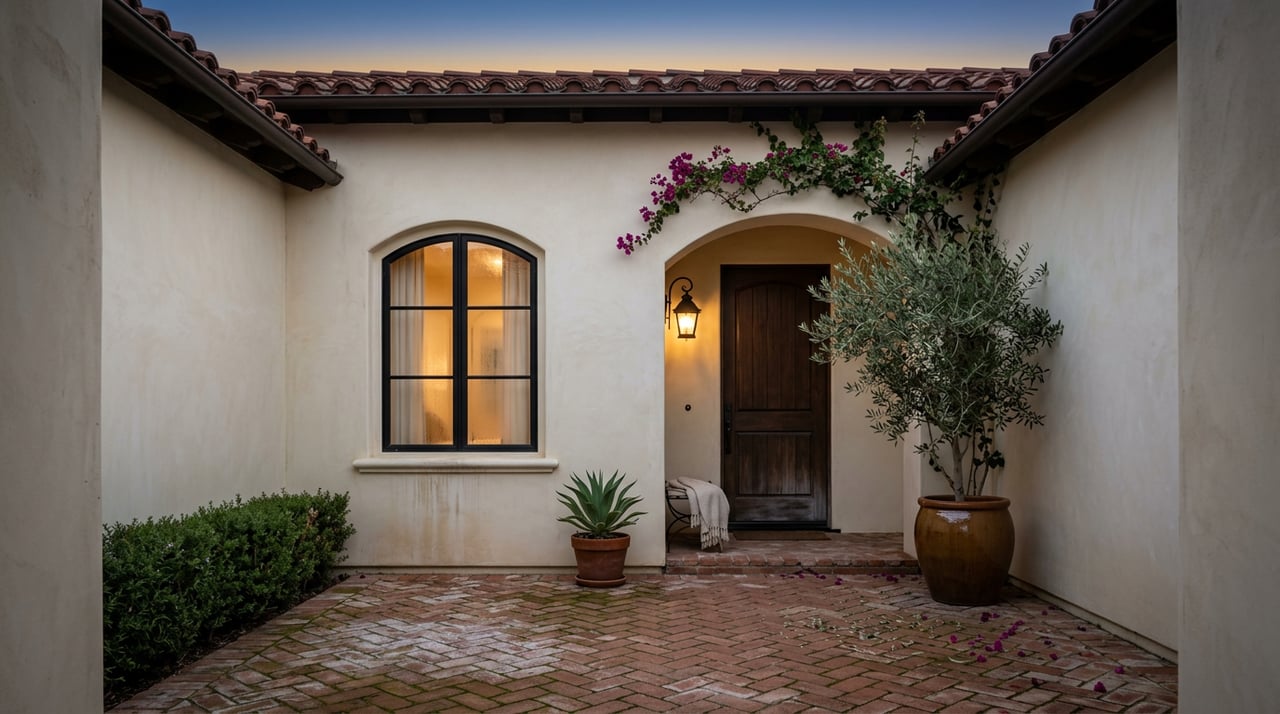
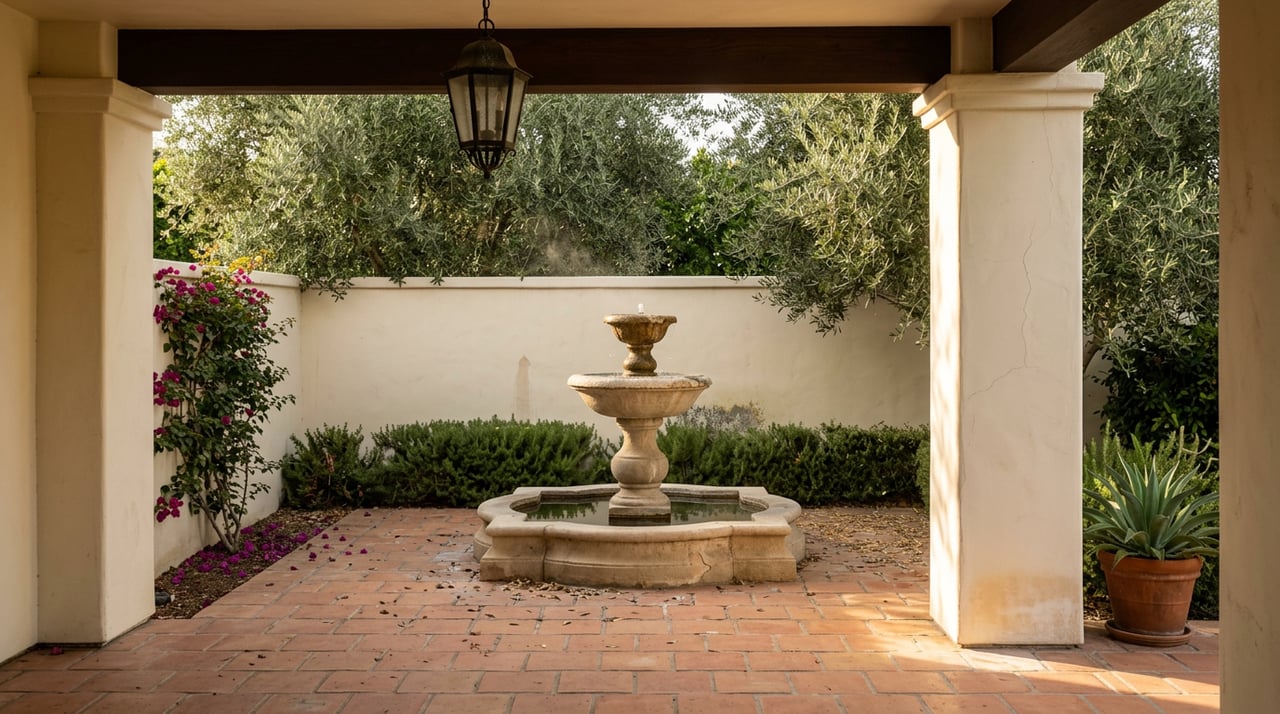
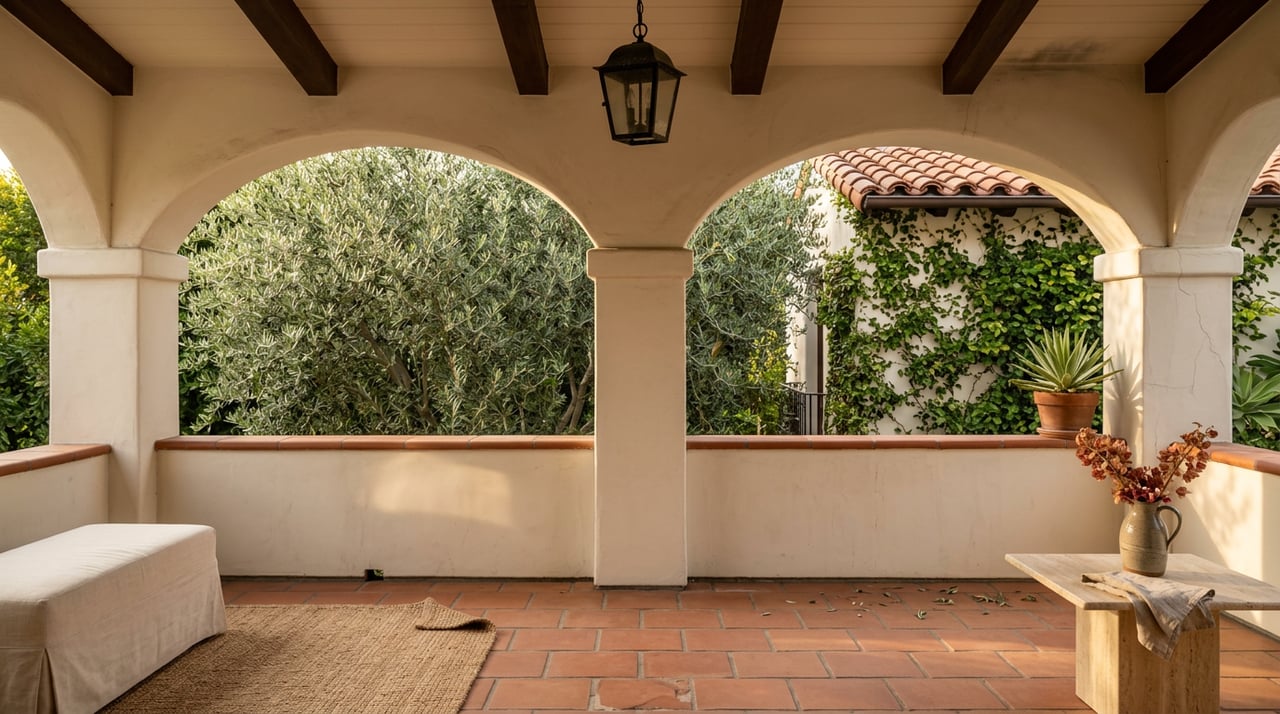
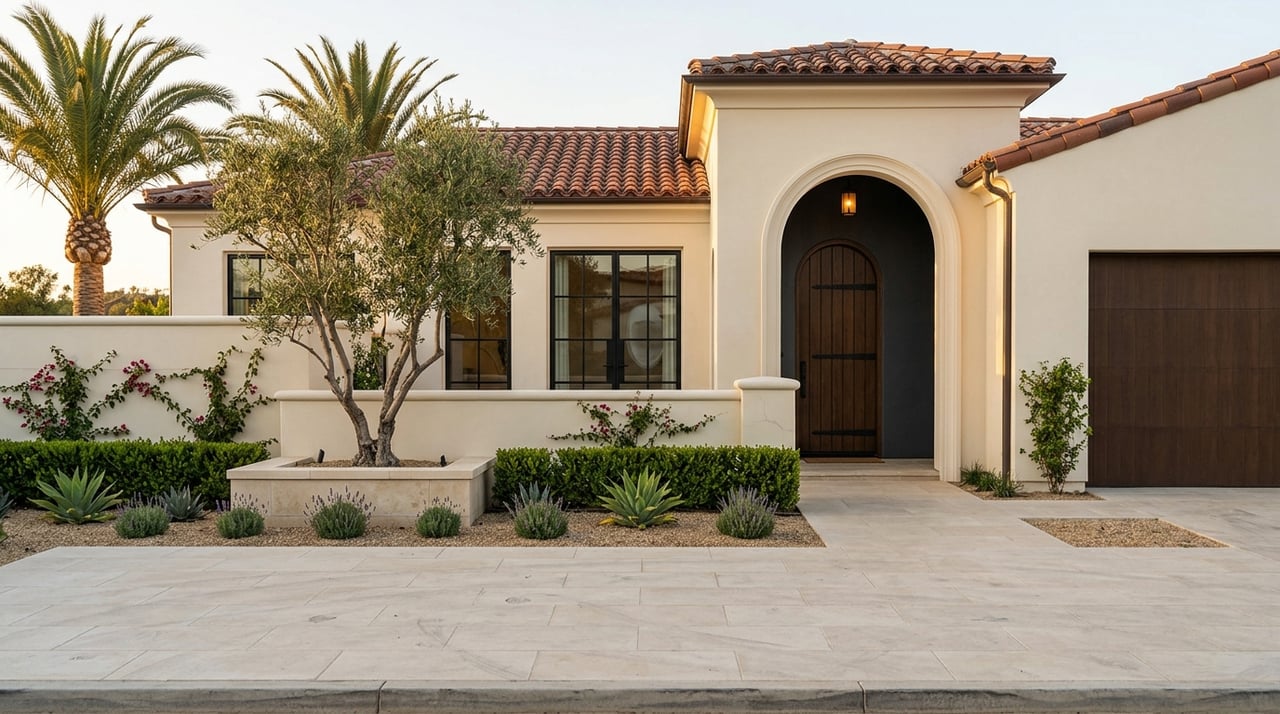
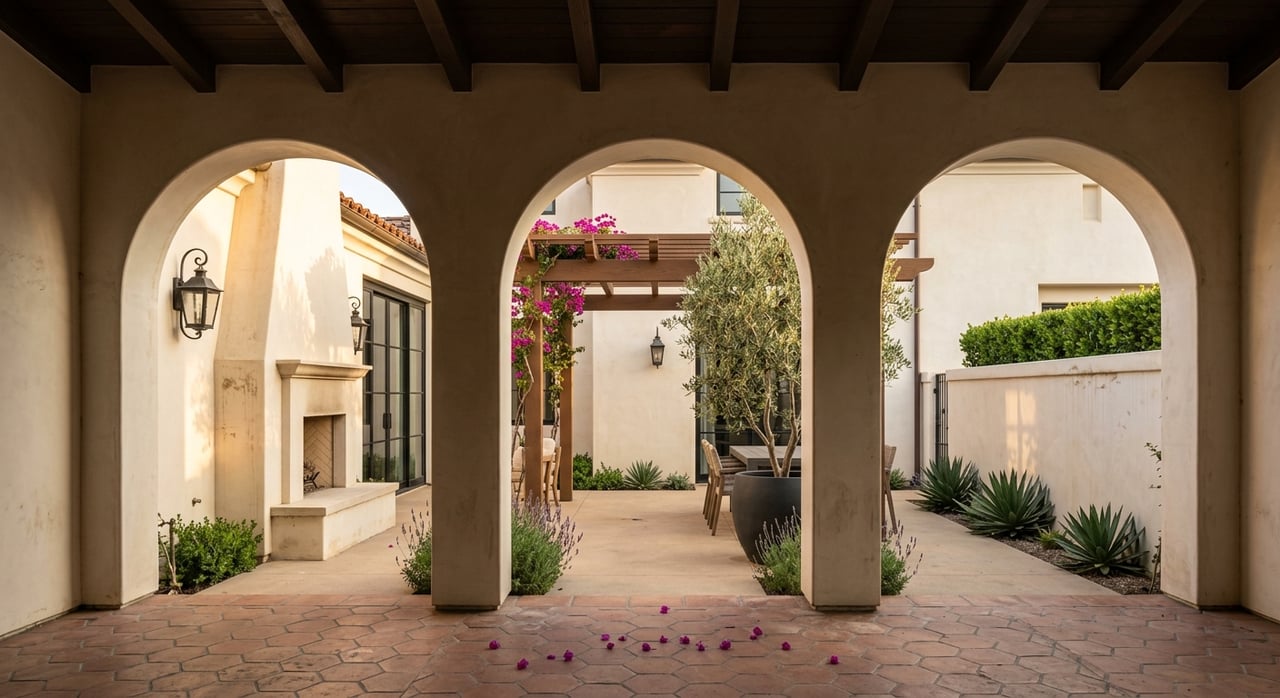
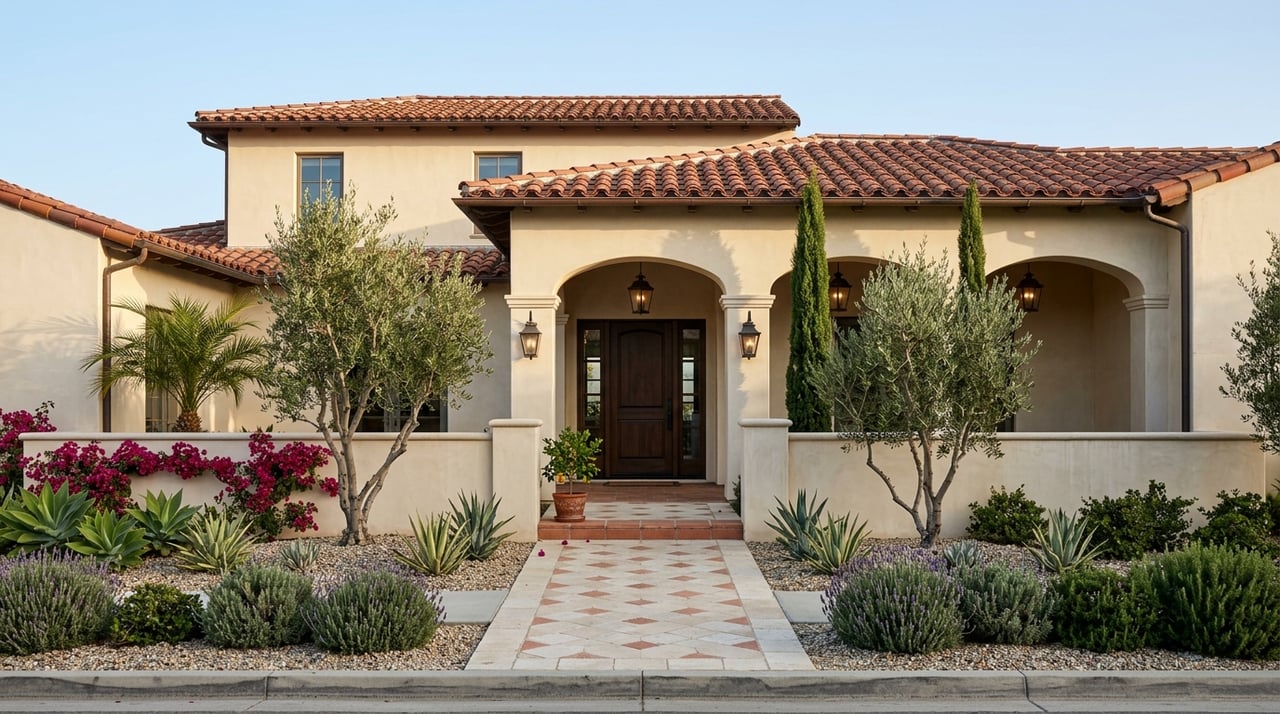
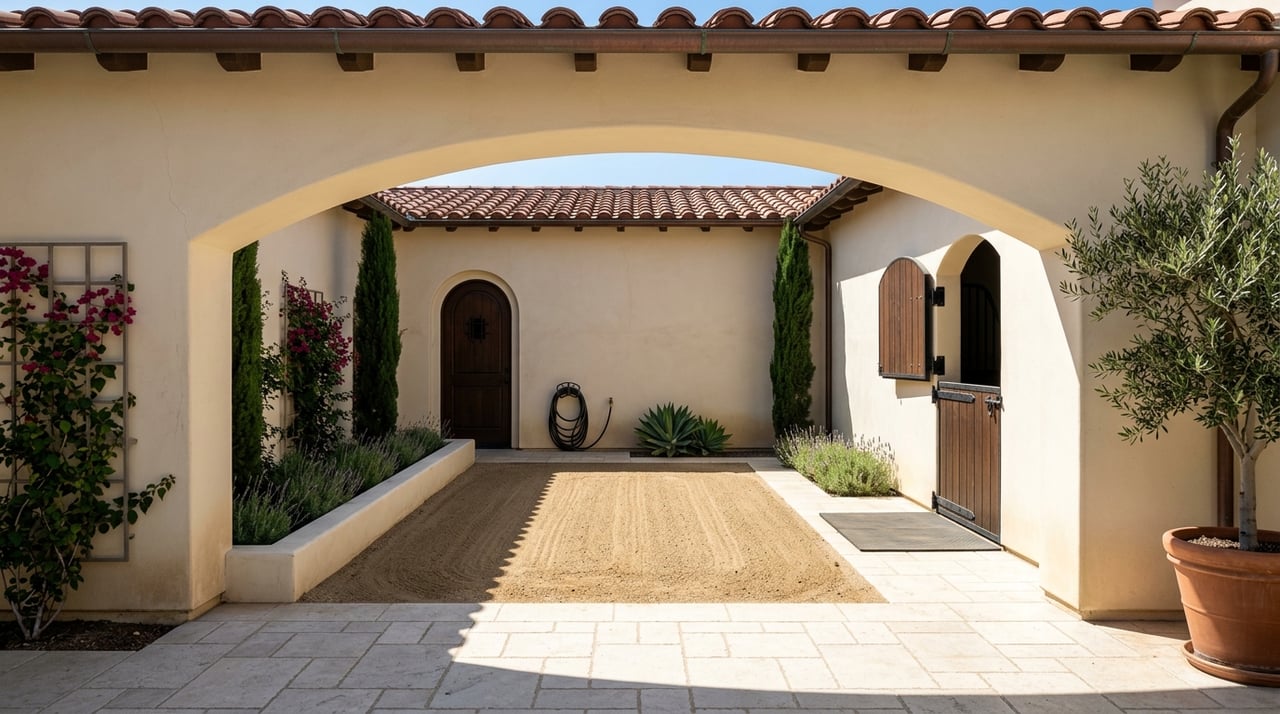
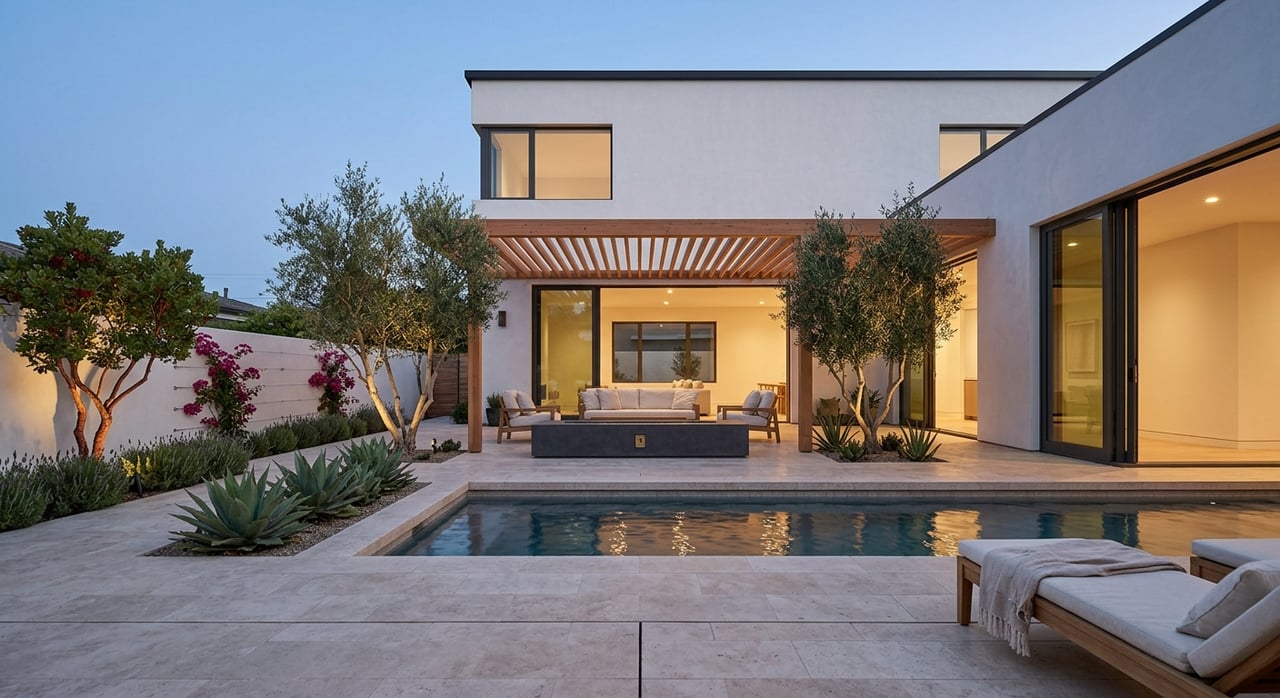
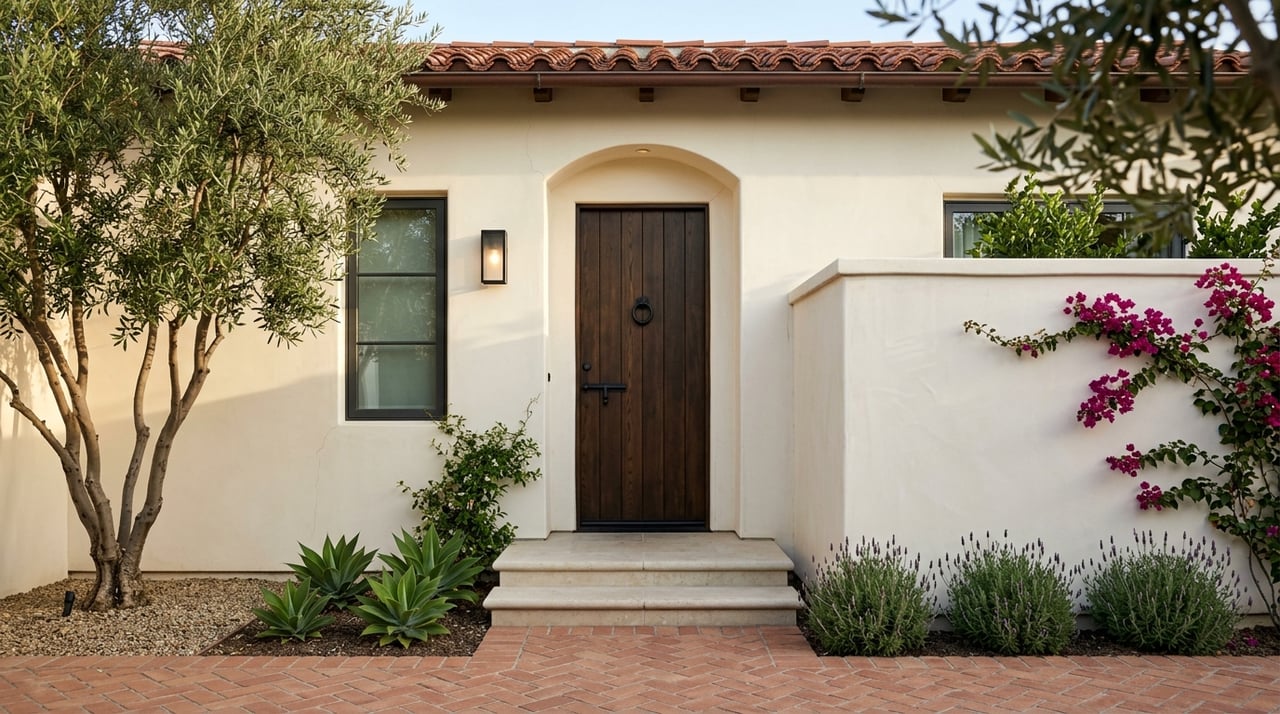
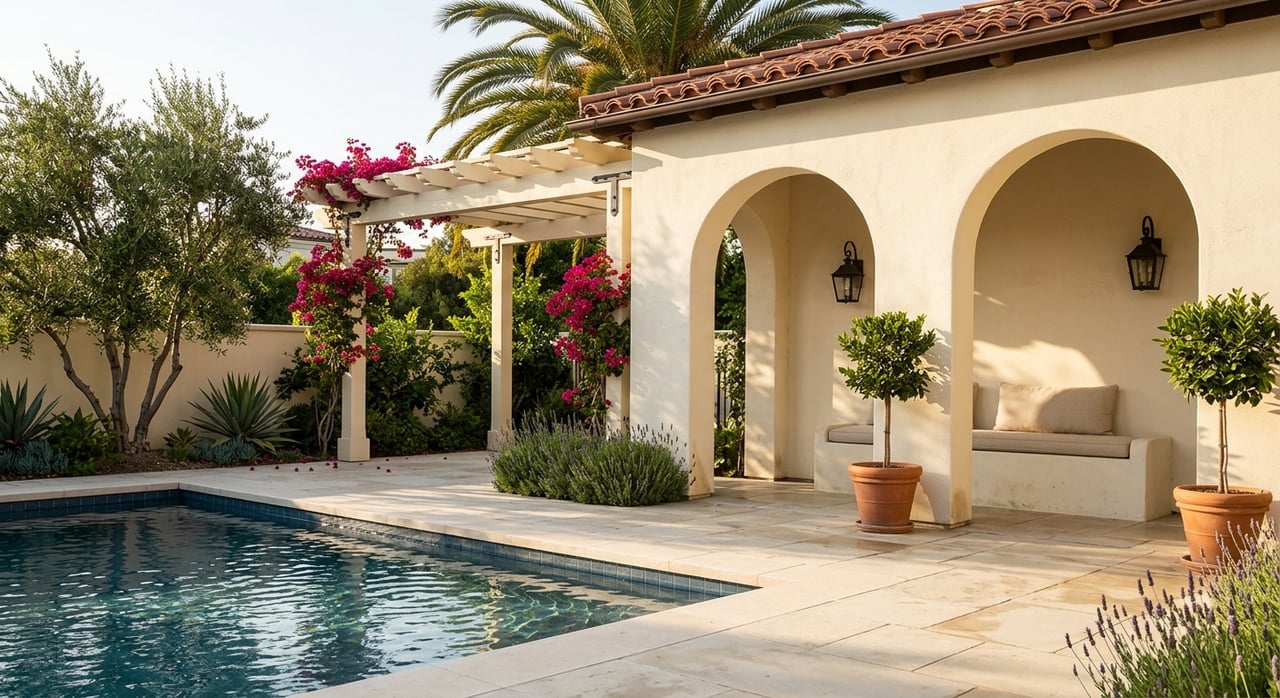
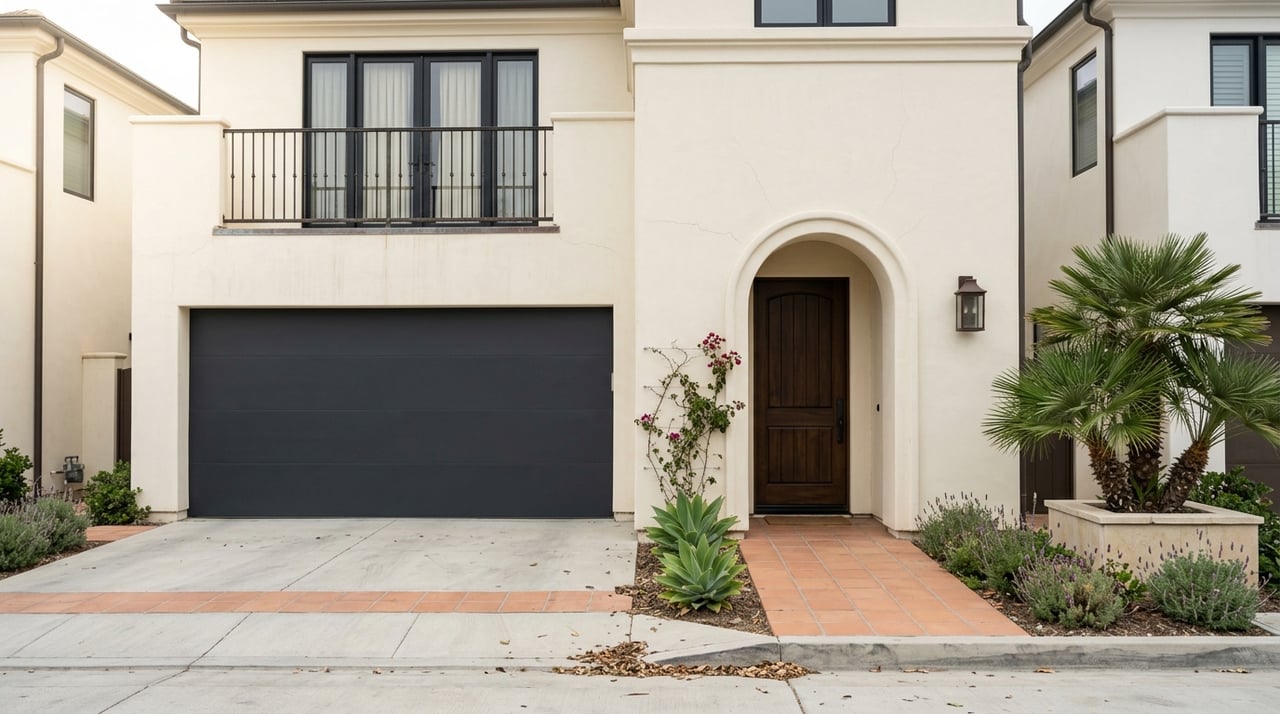
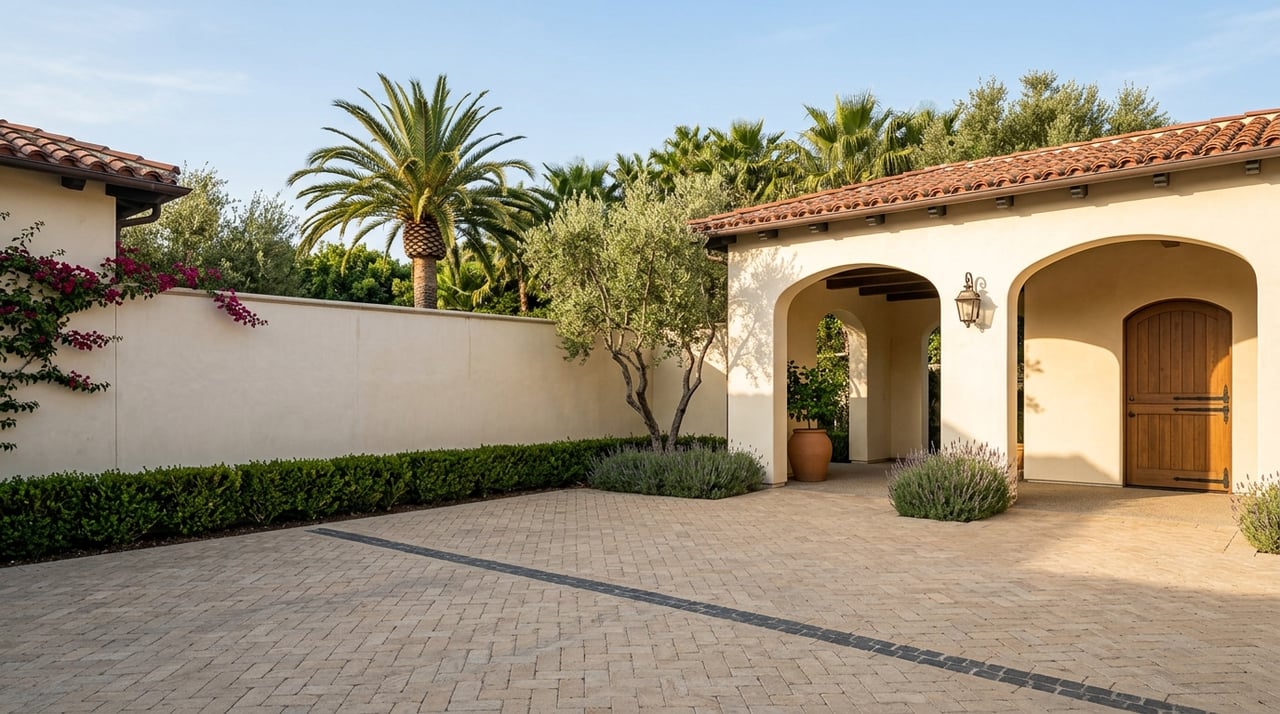
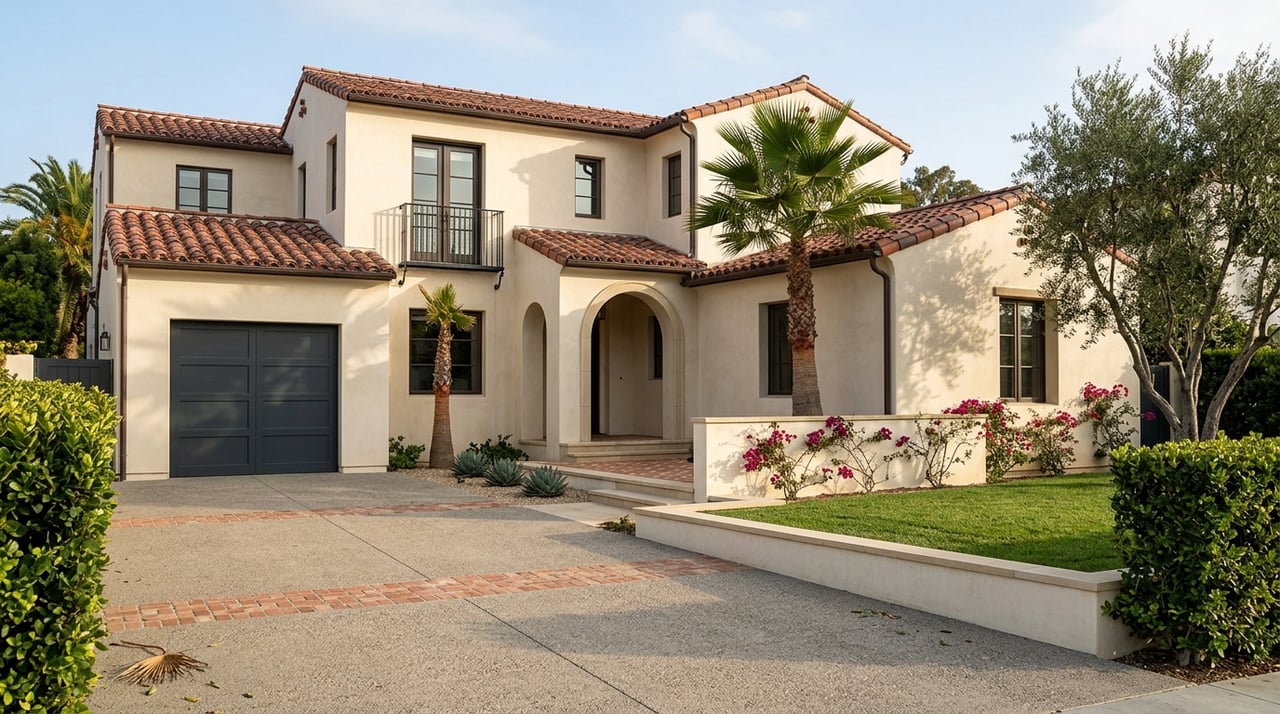
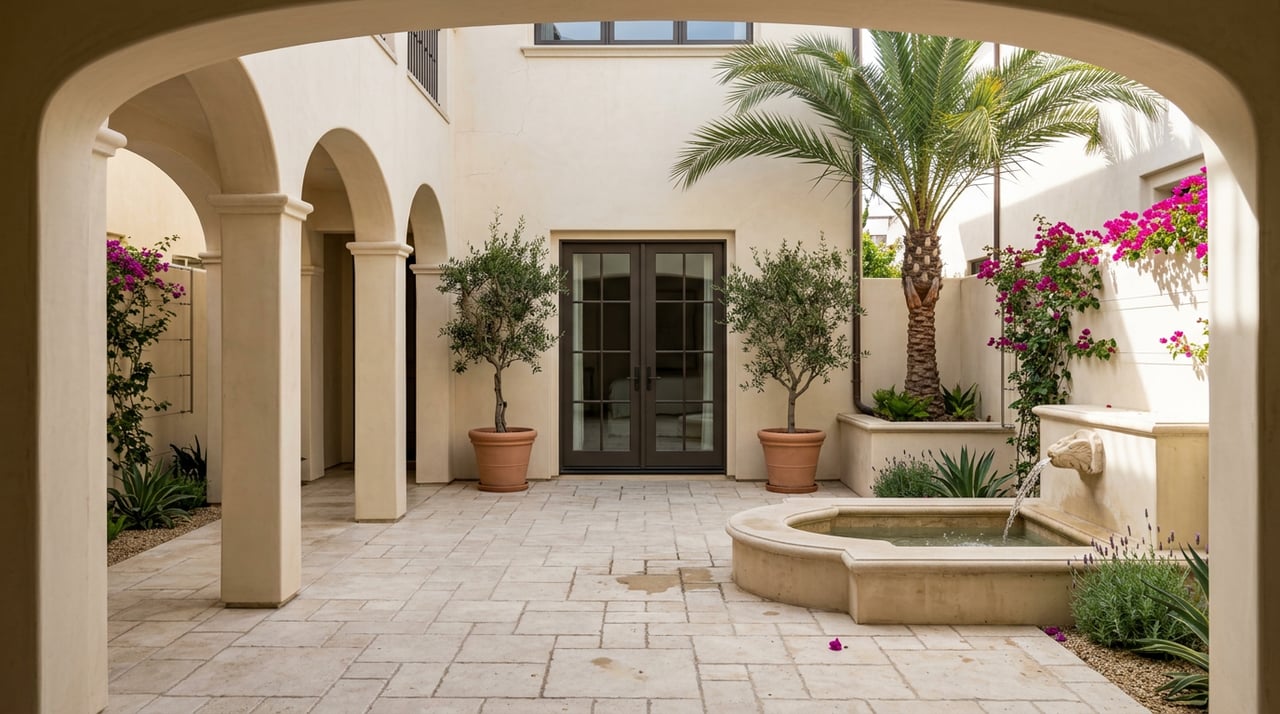
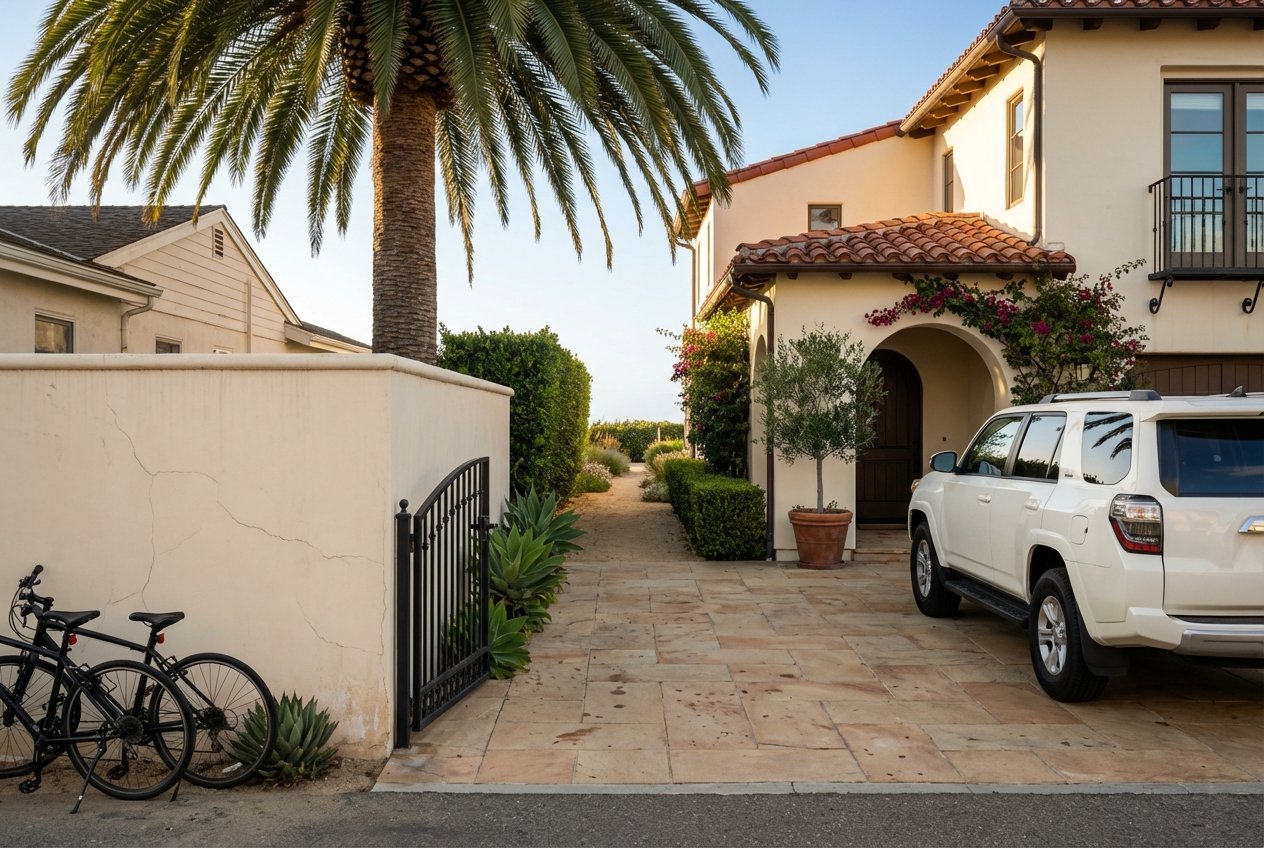
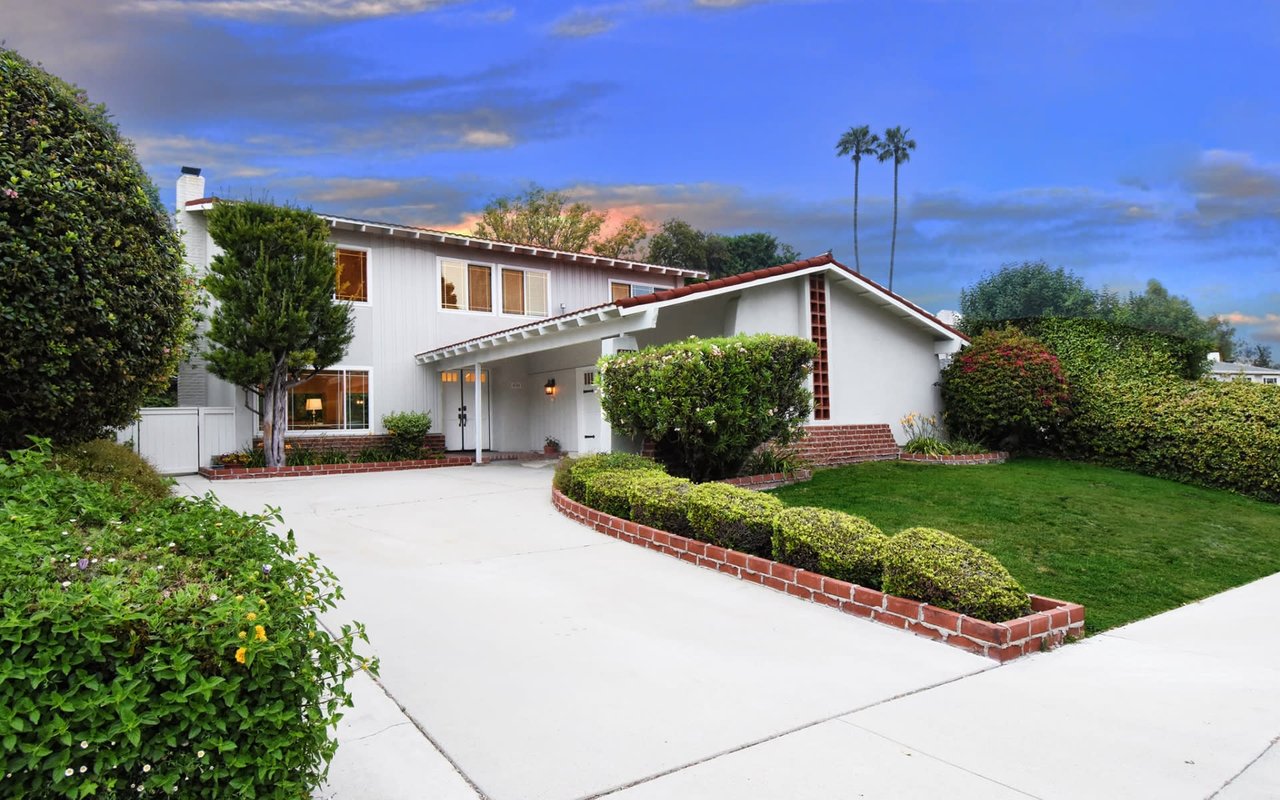
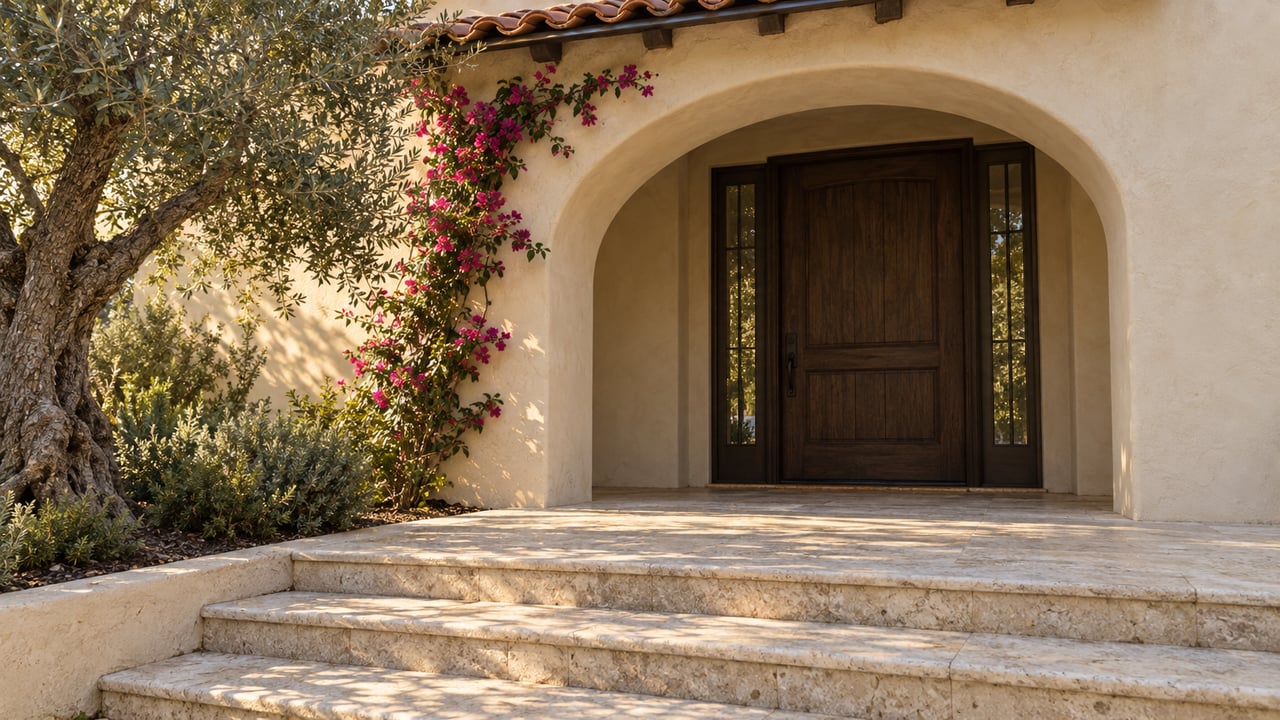
That structure traces back to the project's founding. New York banker Frank A. Vanderlip Sr. purchased the peninsula in 1913 with a vision modeled on the Italian Riviera, and architect Myron Hunt, who later designed the Malaga Cove Library, helped shape the Spanish and Mediterranean character the Art Jury still enforces. Homes closest to Malaga Cove and Lunada Bay tend to carry that heritage most visibly, with clay tile roofs and stucco facades that draw close review for any material change. Homes in Valmonte, built later in Cape Cod and ranch styles with composition shingle roofs, answer to the same jury under a different visual standard for the same neighborhood.
None of that history is in dispute. What's currently being tested, in a Los Angeles County courtroom, is how the association governs itself.
The Board Is Under Its Own Review Right Now
Separate from any individual homeowner's compliance dispute, PVHA's election process has been under court supervision for more than a year. A resident petition filed by Brian Pressman asked a judge to review how board elections are conducted, after members argued the process had repeatedly failed to reach a valid quorum. On June 9, 2026, Judge Alan Honeycutt presented both sides with a proposed settlement framework that includes reforms to ballot mailings, voting procedures, and the length of voting periods. The one issue still unresolved is what quorum percentage should be required for a valid election going forward, a question the court has asked the community to weigh in on directly.
None of this changes what the Art Jury reviews or how deed restrictions apply to an individual property. It does mean the institution enforcing those restrictions is operating under more outside attention in 2026 than it has in years, which is one more reason to treat compliance as settled paperwork rather than an assumption.
Courts have historically sided with the association when the two collide. In a 1980s appellate case, Palos Verdes Homes Association v. Rodman, a homeowner installed a solar water heater after the Art Jury denied the application. The court ordered the system brought into compliance within 90 days or removed, and found the association's solar guidelines reasonable under California Civil Code Section 714. That precedent still shapes how solar and other exterior additions get reviewed today, even as newer state law limits how far an HOA can restrict solar placement and screening.
What to Gather Before You List
The practical fix is sequencing. Instead of waiting for a buyer's inspection period to surface a compliance gap, sellers can request the Completion and Compliance Inspection before the home goes on the market, alongside the standard RPR. If the file turns up an issue, there's still time to submit for retroactive approval rather than negotiate it out of a signed contract.
Sellers should have these ready before the first showing:
- Art Jury approval letters for any exterior work done during their ownership
- Building permits from the city's Building & Safety Division for the same projects, since PVHA approval and city permits are issued separately and both are required
- A current Completion and Compliance Inspection & Report, ordered directly through PVHA
- Documentation of any Neighborhood Compatibility Ordinance review, which applies to larger projects and requires notice to neighbors within 300 feet plus a public hearing before the Planning Commission
The jury itself moves on a fixed and fairly slow calendar. Applications for major projects are reviewed on a bi-weekly Monday cycle, and the association's office takes walk-ins for exactly one hour each weekday morning it's open, with residents describing a line forming outside with blueprints in hand. Simple projects can clear in two to eight weeks. Additions, second stories, and new construction often take three to nine months, sometimes longer if a project needs more than one review cycle. Fees run from roughly $1,000 to $15,000 depending on project scope, paid to PVHA separately from any city plan check fee. For a seller already budgeting for a pre-listing refresh, that fee is a separate line item with its own timeline, not something to discover once escrow has already opened.
Frequently Asked Questions
Does a repaint really need Art Jury approval? Yes, if the new color falls outside the previously approved palette for that address. A like-for-like repaint in the existing approved color typically doesn't trigger review.
Is PVHA approval the same as a city building permit? No. The Art Jury reviews exterior appearance and architectural compatibility. The city's Building & Safety Division separately reviews structural, electrical, plumbing, and grading work. Most exterior projects need both approvals.
What happens if I sell without resolving a known violation? The obligation transfers to the buyer under the deed restrictions regardless, but an undisclosed known issue can still complicate escrow if it surfaces during the buyer's inspection period.
Selling a home in Palos Verdes Estates means managing two paperwork trails instead of one, and the private one is the harder file to see coming. The Stearns Lieb Team coordinates pre-listing compliance review alongside staging and Concierge-funded improvements, so the file nobody asked about doesn't become the reason your closing date moves. Request a home valuation and we'll walk through what your property's compliance history actually looks like before it ever reaches the market.