Pull two listings within a few blocks of each other on the Palos Verdes Peninsula and you'll often find a startling gap in price for what looks, on paper, like the same home. Same ocean air. Same rolling terrain. Same school district. And yet one city's median sale price sits roughly a million dollars above its neighbor's.
Buyers touring both cities usually assume the difference comes down to views or schools. It doesn't. Palos Verdes Estates and Rancho Palos Verdes feed the same district, Palos Verdes Peninsula Unified, and both offer stretches of coastline with uninterrupted sightlines to Catalina. What actually separates them is something buyers rarely think to ask about until they've already made an offer: who controls what you're allowed to do to the house once you own it.
Two cities, one district, one very different rulebook
In the three months ending May 2026, Palos Verdes Estates homes sold for a median of $3.0 million, according to Redfin, at roughly $1,040 per square foot and averaging 43 days on market. Over that same window, Rancho Palos Verdes homes sold for a median of $1.7 million at about $714 per square foot, averaging 40 days on market. By July 2026, Movoto's tracked median list price for Rancho Palos Verdes had climbed to $1,996,500, a reminder that list price and closed sale price tell slightly different stories depending on the month and the source, but the direction is consistent across every dataset: Rancho Palos Verdes is the more affordable entry point to the same Peninsula.
| Palos Verdes Estates | Rancho Palos Verdes | |
|---|---|---|
| Median sale price (3 mo. ending May 2026) | $3.0M | $1.7M |
| Price per square foot | ~$1,040 | ~$714 |
| Days on market | 43 | 40 |
| Homes sold, May 2026 | 43 | 107 |
| School district | Palos Verdes Peninsula Unified | Palos Verdes Peninsula Unified |
Both cities are drawing from the same buyer pool. Both sit on the same bluffs. The gap has to come from somewhere else, and it does: governance.
What buyers in Palos Verdes Estates are actually paying for
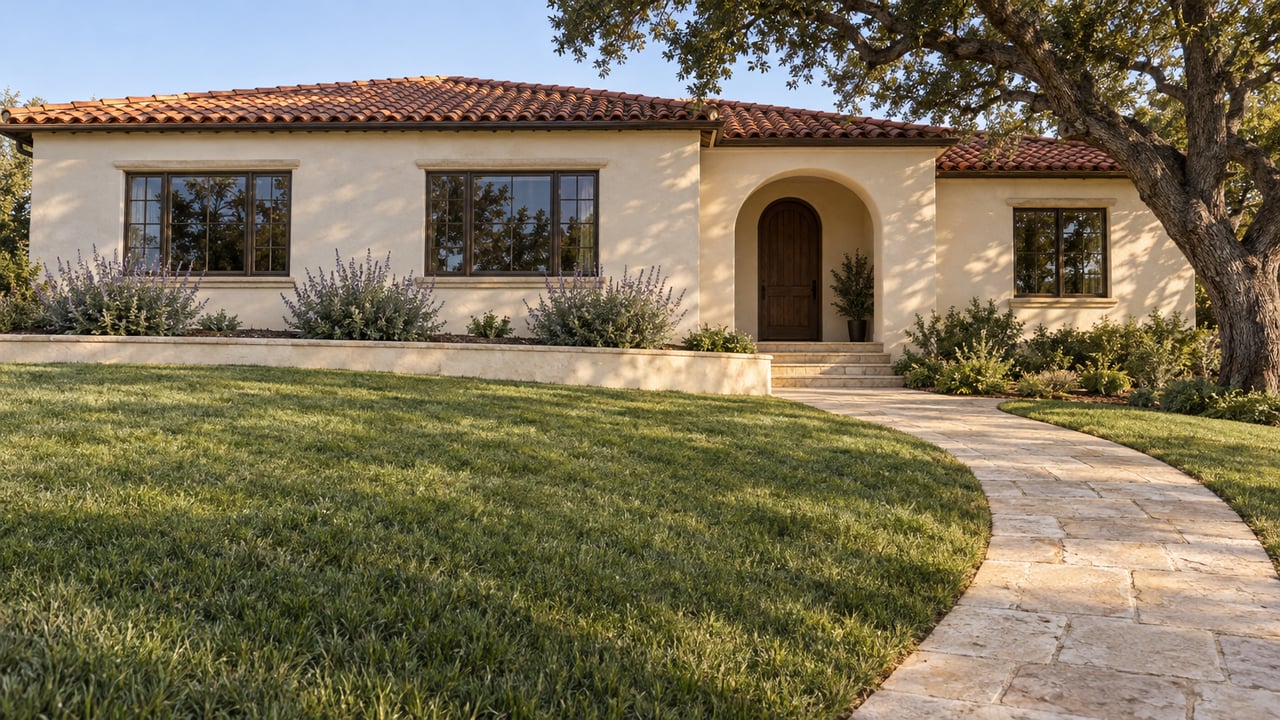
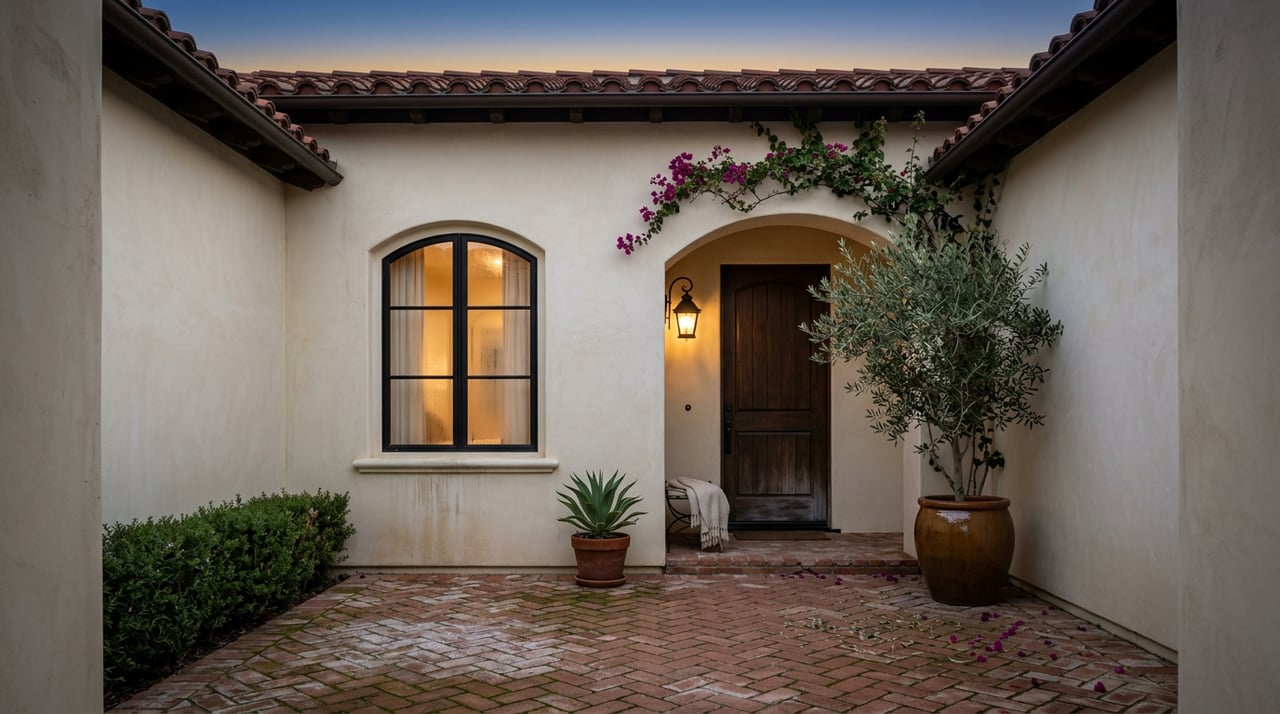
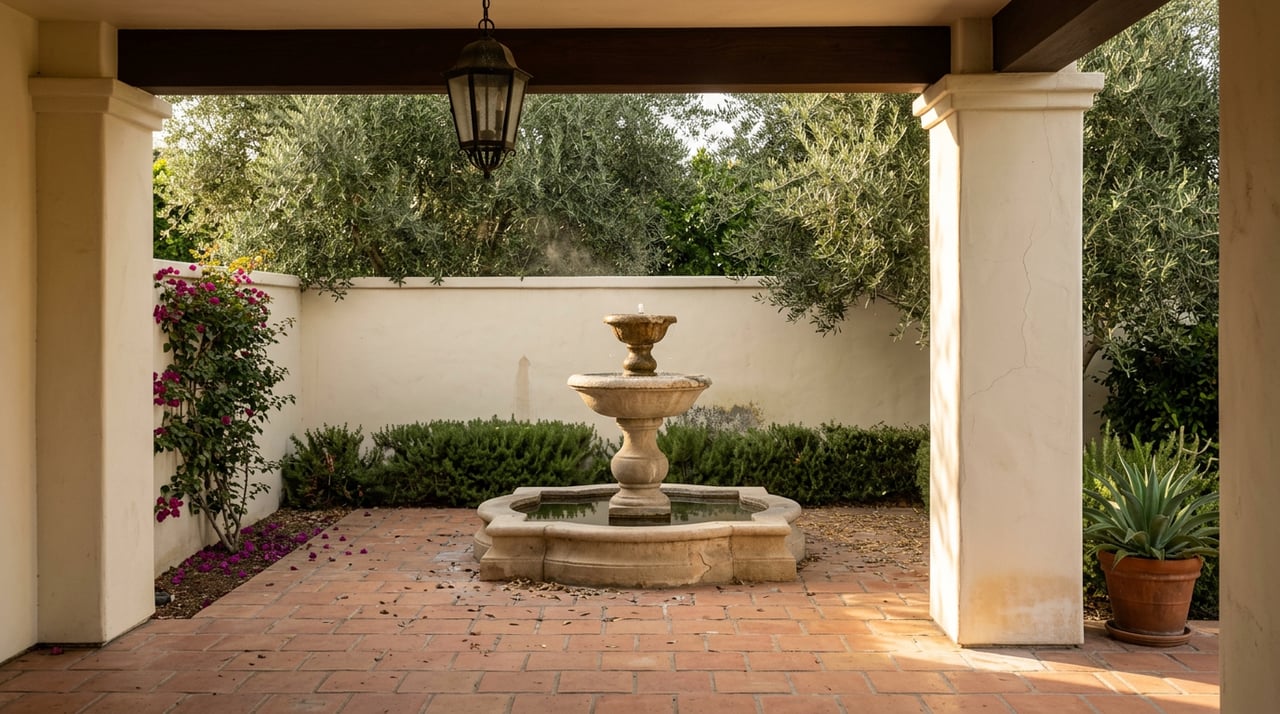
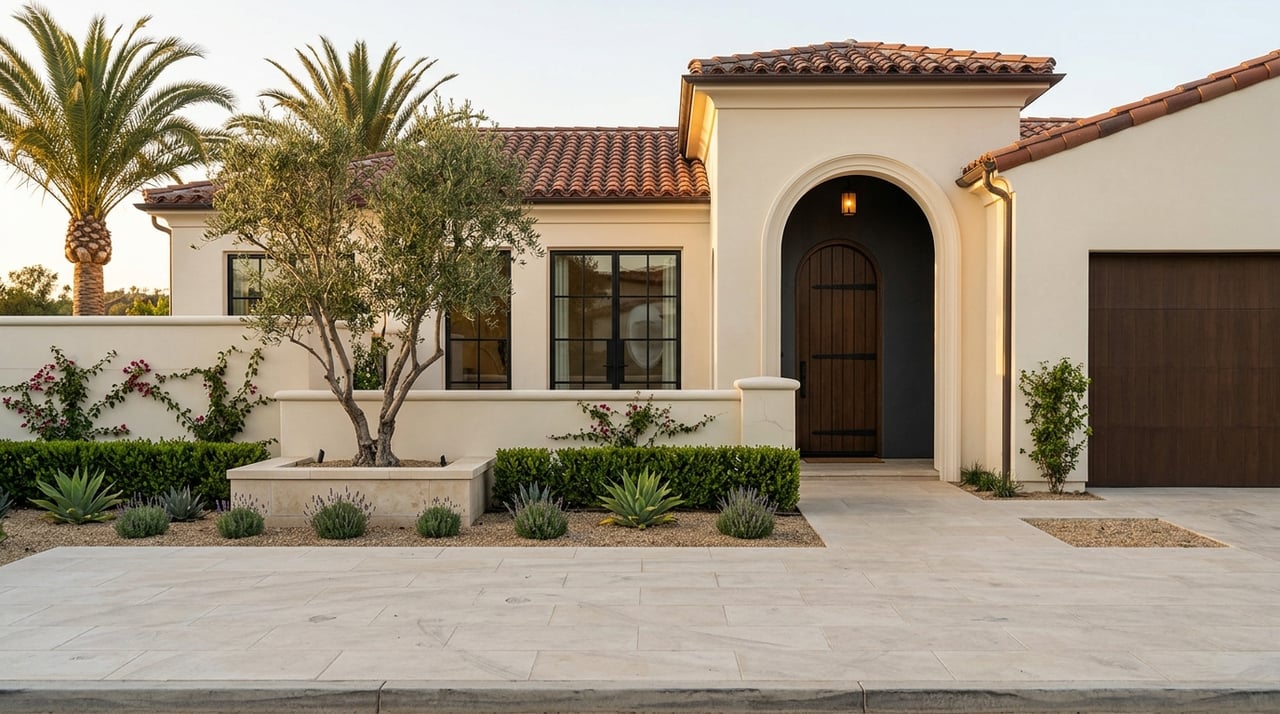
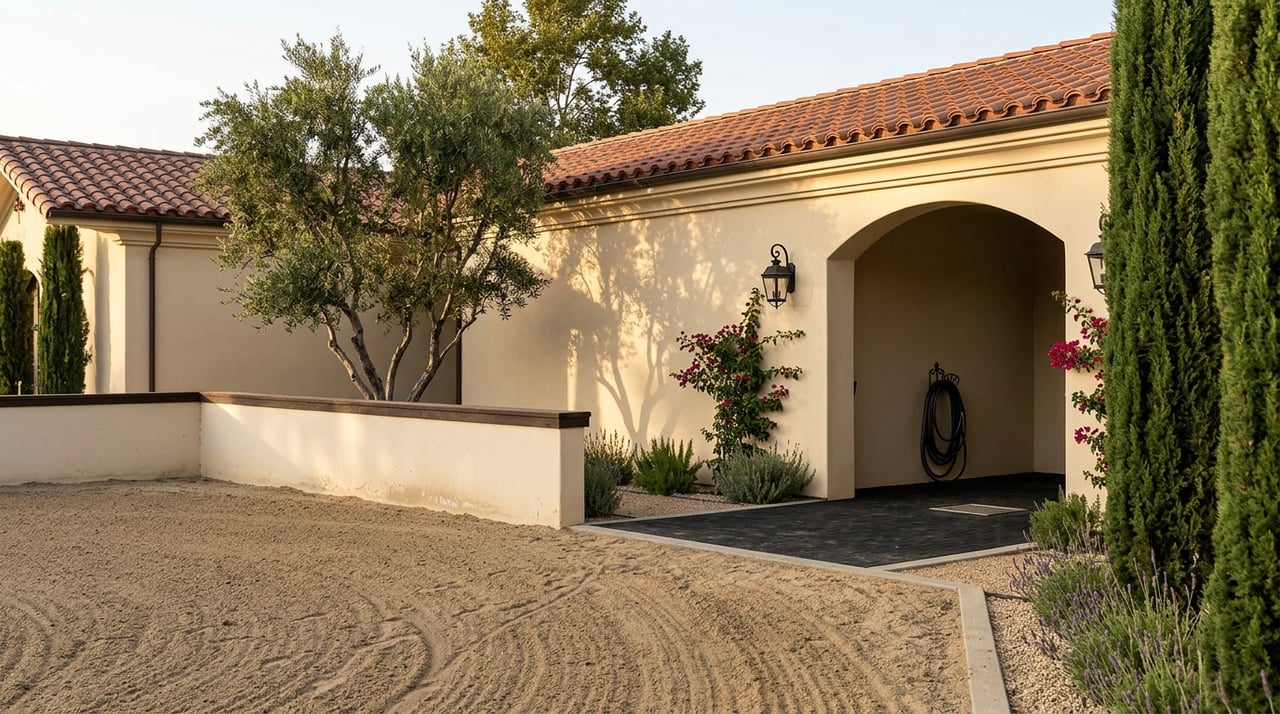
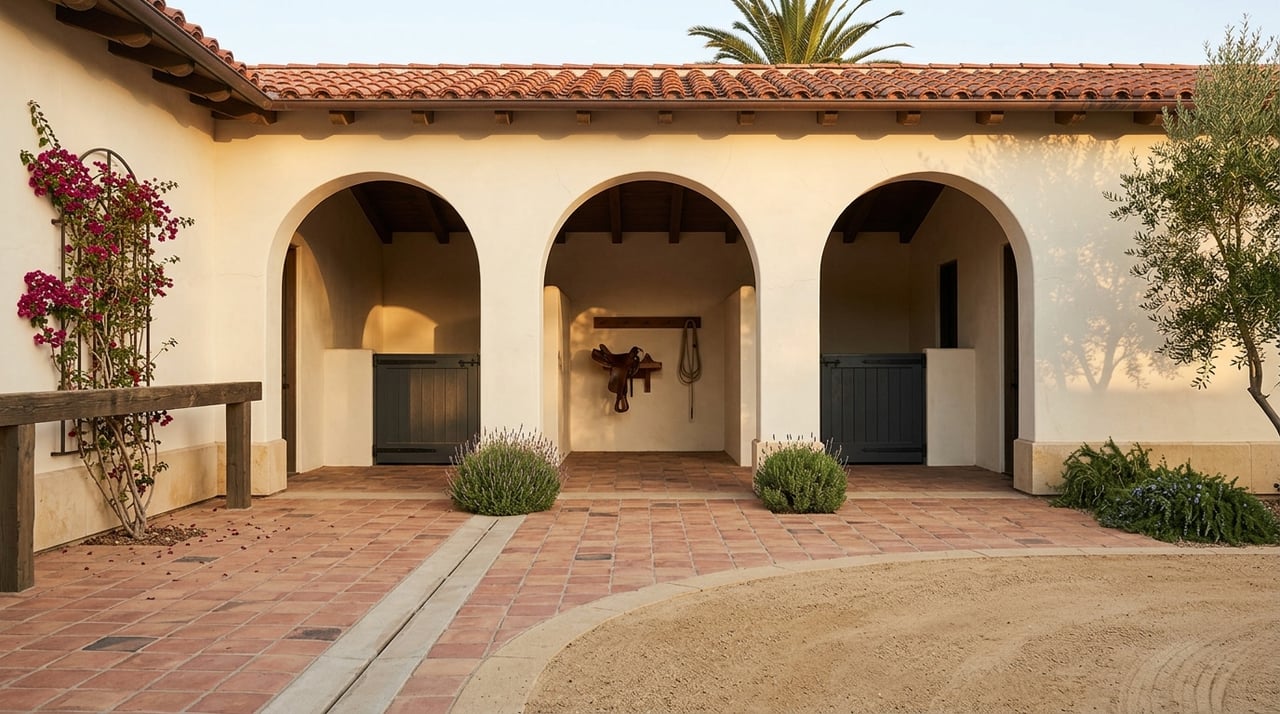
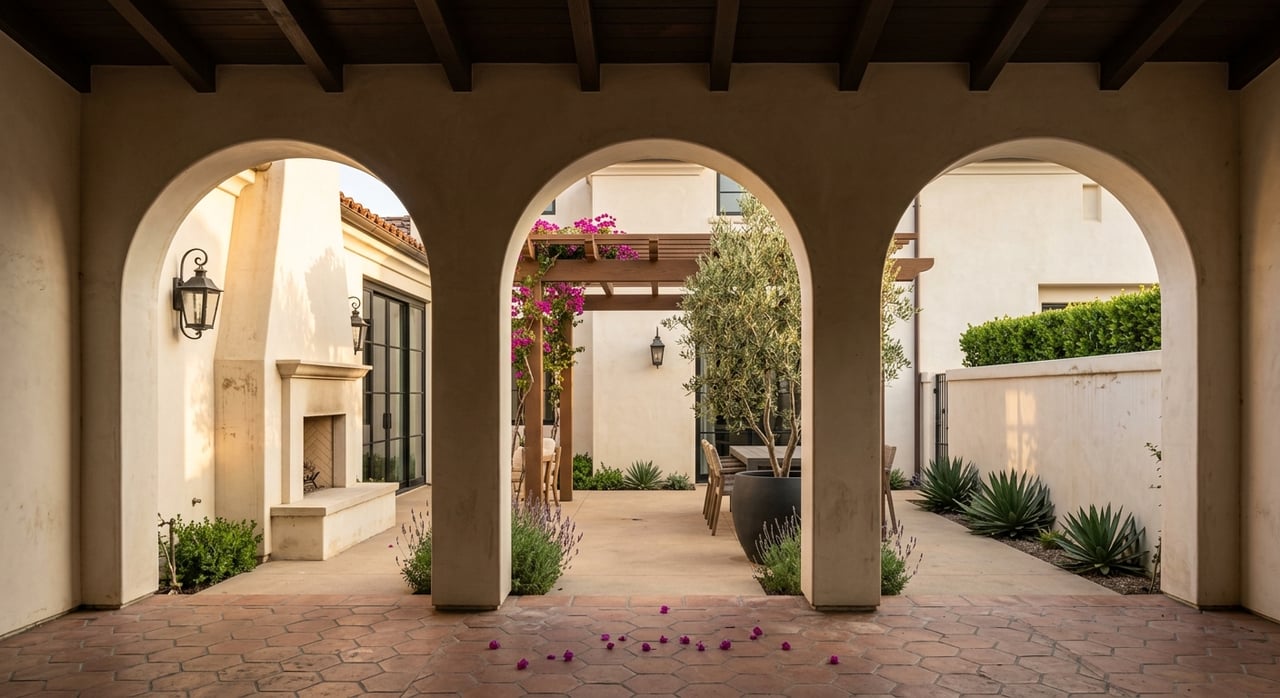
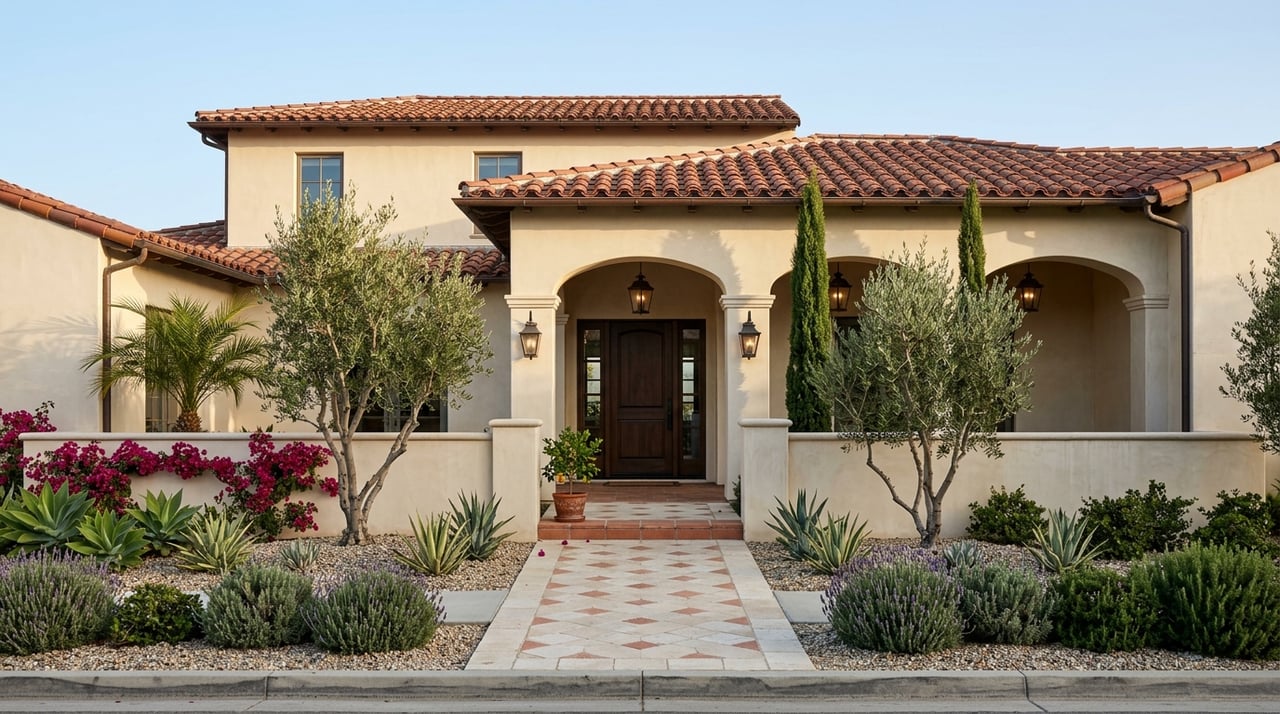
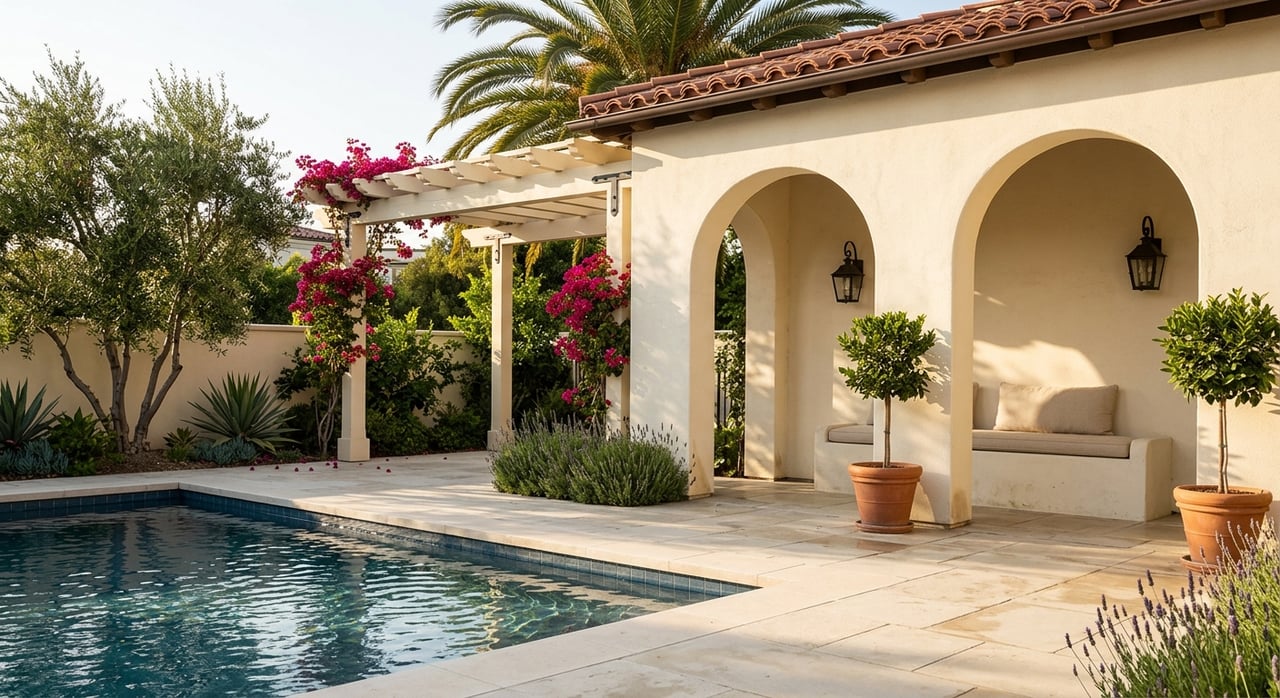
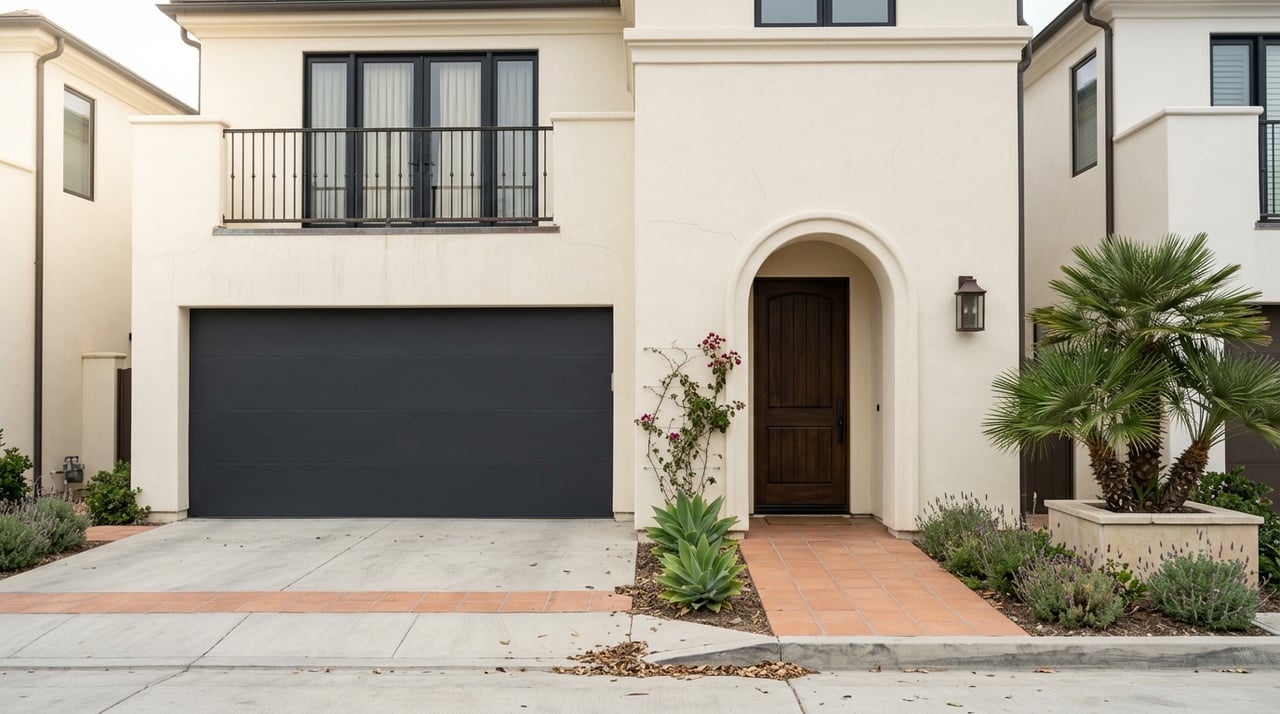
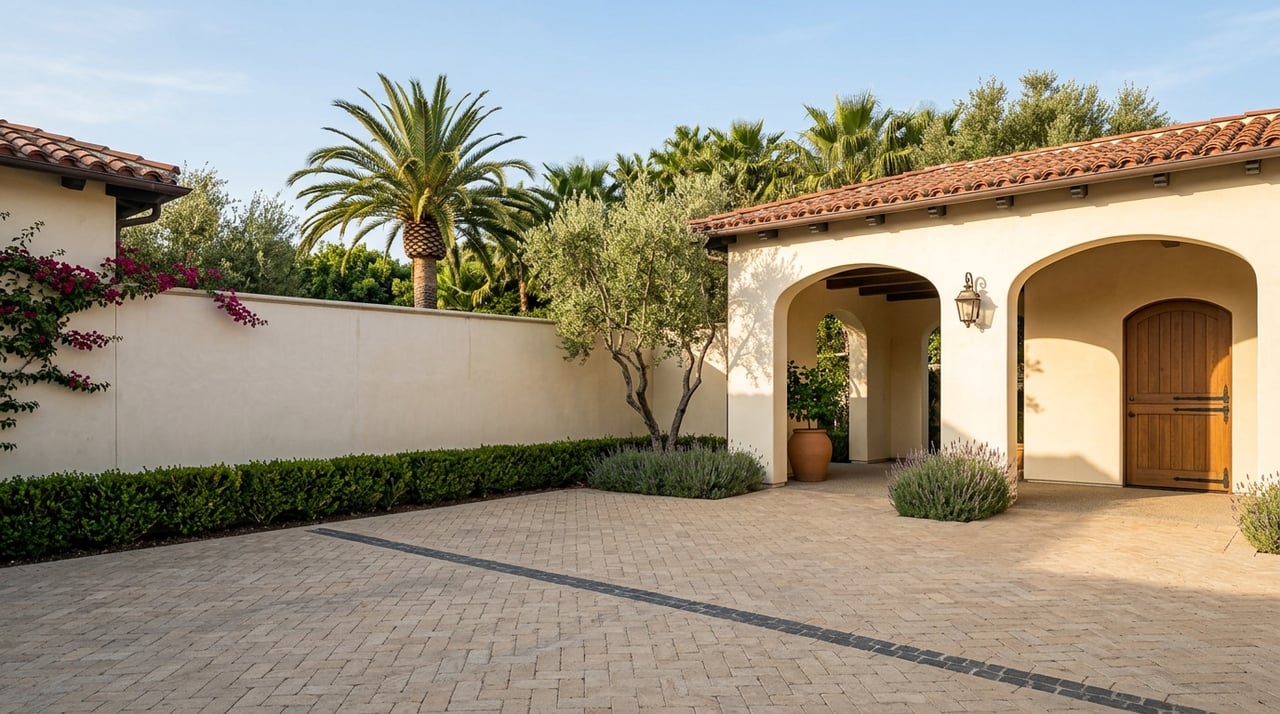
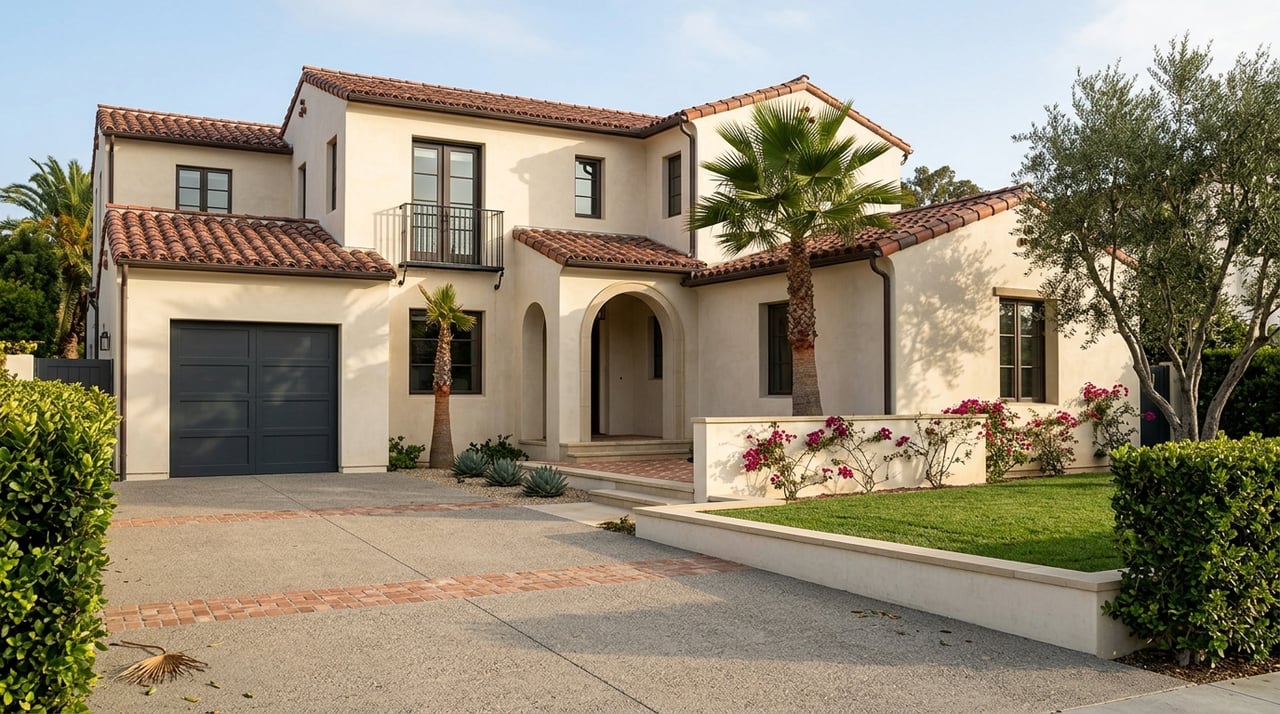
Palos Verdes Estates has been shaped by a private organization older than the city itself. In 1923, ten years after New York banker Frank Vanderlip purchased the Peninsula's ranchland with an eye toward building a residential community in the style of the Italian coast, a group of architects and planners created the Art Jury, an appointed board operating under the Palos Verdes Homes Association. Architect Myron Hunt, who also designed the Malaga Cove Library, led the Jury for seventeen years and helped set the stucco-and-tile style that still defines the city today.
That Jury never went away. It still meets weekly, reviews plans for roughly 5,500 properties, and holds what the Homes Association itself describes as quasi-governmental authority granted by the original 1923 Trust Indenture. Its reach goes well beyond new construction. Repainting your house, replacing a fence, removing a hedge, adding a second story, even installing an ADU, all require Art Jury sign-off in addition to a standard city permit. The city handles zoning, setbacks, and safety code. The Jury handles everything you can see from the street.
That second layer of review is not always popular. An ABC7 investigation in March 2026 found homeowners frustrated by the process, including one resident facing more than $10,000 in penalties over exterior items that were installed before he bought the home. The Jury's own written response to that reporting described its mission as maintaining architectural integrity and property values, a mission it has now pursued for over a century.
Whatever a buyer thinks of the process, it produces a measurable result: block after block of Palos Verdes Estates holds a level of visual consistency that few Southern California cities can match, because no individual owner can unilaterally break from it. That consistency is priced in.
The one corner of Rancho Palos Verdes that plays by Palos Verdes Estates rules
Here's the detail that sharpens the whole comparison. The Art Jury's jurisdiction doesn't stop at the Palos Verdes Estates city line. According to the Palos Verdes Homes Association, it also covers Miraleste, a historic pocket on the eastern side of Rancho Palos Verdes that was part of the original Palos Verdes project before either city incorporated.
That makes Miraleste a useful test of the thesis. It sits inside Rancho Palos Verdes, benefits from the same governance structure that raises prices across town in Palos Verdes Estates, and still competes on value against the rest of Rancho Palos Verdes because it lacks the ocean-bluff frontage of the city's west side. Governance shapes the ceiling on price. Location and lot still shape where a given street lands within it.
The rest of Rancho Palos Verdes, from Silver Spur and Los Verdes to Eastview and Mira Catalina, operates under standard city planning with no equivalent architectural board. That's part of why the city offers the widest range of home styles and price points on the Peninsula. It's also why a buyer who wants design freedom, whether that means a modern remodel or simply skipping a second layer of approval, will usually find it easier outside the Art Jury's boundary.
The other line on the map, and why it doesn't apply citywide
Rancho Palos Verdes carries one more distinction that Palos Verdes Estates doesn't, and it has nothing to do with governance. A section of the city's south side sits atop an active landslide complex, and it's important to be precise about where that is and isn't, because the two areas get conflated constantly.
The affected neighborhoods, Portuguese Bend, Abalone Cove, Klondike Canyon, and the Seaview area, sit within a mapped moratorium zone along Palos Verdes Drive South. They are not representative of Rancho Palos Verdes as a whole. Buyers house-hunting in Silver Spur, Los Verdes, Vista Grande, Peninsula Center, Eastview, or Miraleste are shopping in neighborhoods entirely outside that boundary.
Within the moratorium zone, the city has been managing an accelerated land movement event that began with heavy rainfall in 2023. According to the city's own Land Movement Updates page, survey data from early July 2026 showed the landslide complex moving 60 percent slower than it was a year earlier, with the Portuguese Bend slide decelerating to about 0.94 inches per week and Abalone Cove to about 1.4 inches per week. The city's dewatering wells have removed more than half a billion gallons of groundwater from the hillside since the fall of 2024, and as of an April 2026 update there were no active evacuation advisories in effect.
The city has also kept in place an urgency ordinance, first adopted in September 2024. As of the August 2026 council session, that ordinance was under consideration for a two-year extension through the end of 2028, a sign that the situation is improving but not yet resolved.
For any buyer or seller looking specifically within that mapped zone, two practical realities are worth knowing before writing an offer. According to NBC Los Angeles, California homeowners insurance policies generally exclude damage from earth movement, which has left some affected homeowners without coverage for slide-related loss. And the state, FEMA, and Cal OES have jointly funded a voluntary buyout program for homes damaged or threatened by the slide, with $42 million allocated for a first round of roughly 22 properties and an additional $10.16 million identified for a second round. Neither of those facts should be read onto a home outside the mapped boundary. They are specific to a specific hillside, not a city-wide condition.
Choosing a side of the Peninsula
None of this means one city is the better buy. It means the two cities are solving different problems for different buyers. Palos Verdes Estates sells predictability: a century of architectural consistency enforced by a private board, at a price per square foot that reflects it. Rancho Palos Verdes sells range: more inventory, more price points, more design latitude, and a specific south-side pocket where geology, not governance, is the variable to plan around.
If you're comparing a listing in each city, the right questions aren't about the view. They're about who signs off on your next remodel, and whether the address sits inside a mapped hazard zone or three miles from one.
FAQ
Do Palos Verdes Estates and Rancho Palos Verdes have different schools? No. Both cities feed Palos Verdes Peninsula Unified School District, so the choice between them isn't a schools decision.
Does the Art Jury only apply in Palos Verdes Estates? No. Its jurisdiction also covers Miraleste, a neighborhood inside Rancho Palos Verdes that was part of the original Palos Verdes project before either city incorporated.
Is the landslide risk in Rancho Palos Verdes a citywide issue? No. It's mapped to a specific south-side zone covering Portuguese Bend, Abalone Cove, Klondike Canyon, and Seaview. Most of the city's neighborhoods sit entirely outside that boundary.
Whether you're weighing a remodel timeline in Palos Verdes Estates or trying to understand exactly which side of a hillside boundary a Rancho Palos Verdes listing sits on, that's the kind of local detail that changes how you write an offer. The Stearns Lieb Team works both sides of this line every week and can walk you through what a specific address means for your timeline, your financing, and your renovation plans. Request Your Home Valuation to start that conversation.
This article is general information, not legal, tax or financial advice. Consult a qualified professional about your situation.